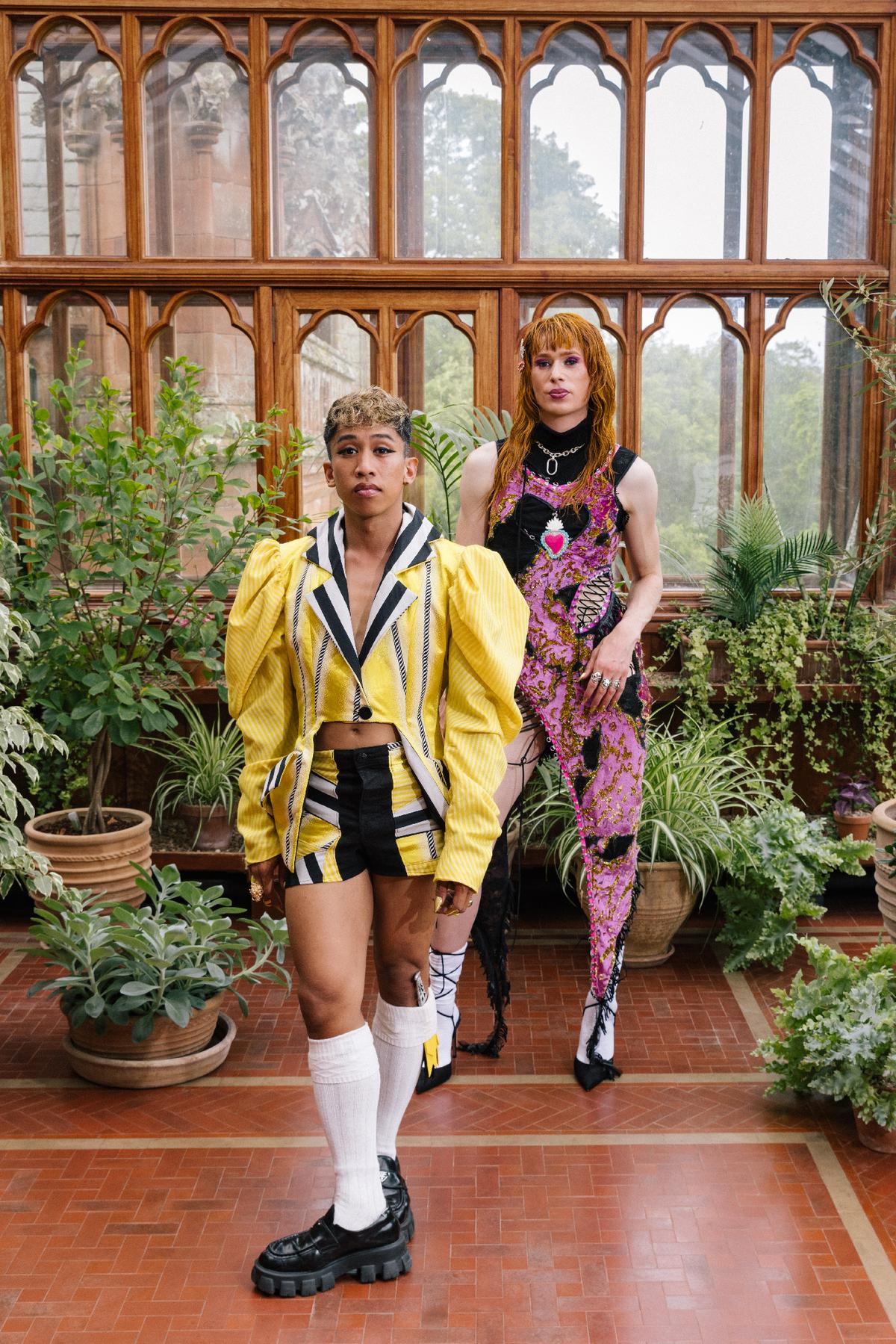
Bugarin + Castle on Representing Scotland at the 61st Venice Biennale
Why It Matters
The pavilion spotlights how national platforms can amplify marginalized histories and queer narratives, reshaping global conversations about identity, colonial legacies, and the role of sound in contemporary art.
Key Takeaways
- •Bugarin + Castle present "Shame Parade" at Scotland's Venice Biennale pavilion.
- •Exhibition investigates medieval shaming rituals and modern Filipino legal concept of charivari.
- •Works blend sound, sculpture, video, and Manila band to explore trans identity.
- •Artists use spatial tactics to disrupt power dynamics and challenge national narratives.
- •Biennale provides a rare platform for ambitious, unresolved artistic experiments.
Pulse Analysis
The Venice Biennale has long served as a barometer for the art world’s most daring ideas, and Scotland’s 2026 pavilion exemplifies this tradition. By anchoring their project in the obscure medieval practice of charivari, Bugarin and Castle bridge a gap between historical mechanisms of control and today’s legal frameworks in the Philippines, where the term still denotes punishable public disturbance. This cross‑cultural reference not only enriches the narrative but also underscores how sound can function as both weapon and witness, a concept that resonates with the Biennale’s overarching theme, In Minor Keys.
Beyond historical allusion, "Shame Parade" pushes the boundaries of interdisciplinary practice. The collaboration with Kalye Teresa injects a contemporary Filipino musical sensibility, while the installation’s architecture—corridors, arrow‑slit windows, and an optical‑illusion tunnel—forces viewers to navigate shifting perspectives. Such spatial choreography mirrors the artists’ intent to destabilize entrenched power structures, inviting audiences to experience shame from the inside out. In an era where national pavilions are scrutinized for their political messaging, Scotland’s choice to foreground queer and trans Filipino experiences signals a deliberate move toward inclusive storytelling.
The broader impact of this pavilion extends to the global art market and cultural policy. High‑visibility events like the Biennale can catalyze museum acquisitions, grant funding, and cross‑border collaborations, especially for artists operating at the intersection of diaspora and identity politics. Moreover, the project’s emphasis on unresolved, excessive expression challenges the efficiency‑driven expectations of contemporary exhibition design, reaffirming the Biennale’s role as a laboratory for artistic risk. As the exhibition travels beyond Venice, it will likely influence curatorial approaches to sound art and socially engaged practice worldwide.
Bugarin + Castle on Representing Scotland at the 61st Venice Biennale
Comments
Want to join the conversation?
Loading comments...