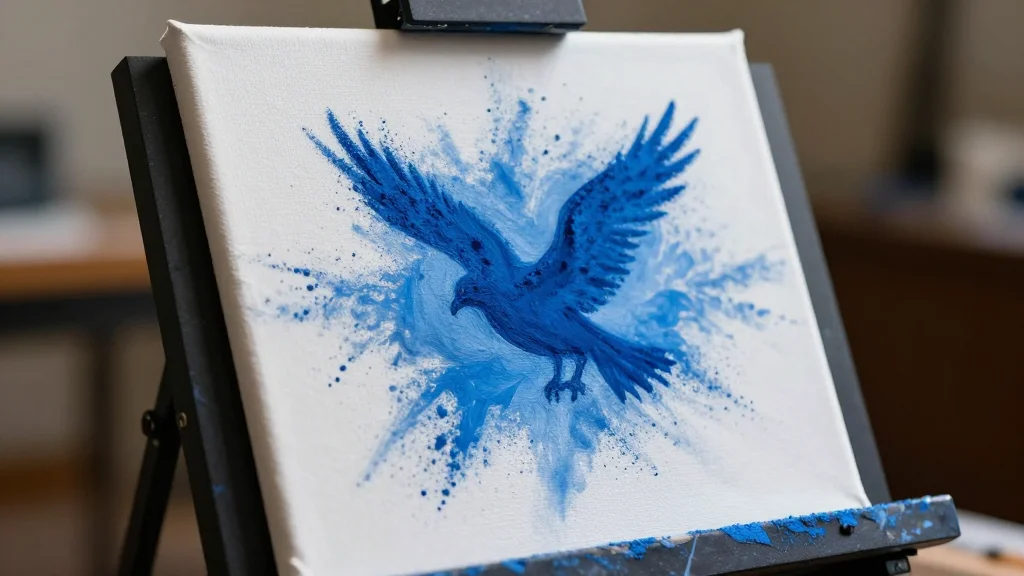
Cai Guo‑Qiang Signs with White Cube, Debuts New Gunpowder Paintings at TEFAF New York

Companies Mentioned
Why It Matters
Cai Guo‑Qiang’s partnership with White Cube signals a pivotal shift in how high‑profile, performance‑based artists are integrated into the commercial gallery system. By moving his gunpowder paintings into a gallery context, the deal offers collectors a more structured avenue to acquire works that were previously tied to site‑specific installations. This could broaden the secondary market for experimental media, encouraging other galleries to seek similar alliances with artists whose practice blurs the line between fine art and spectacle. The TEFAF New York debut also places gunpowder painting at the forefront of a major international fair, exposing a wider collector base to the medium’s unique aesthetic and technical challenges. If the blue‑toned avian series resonates with buyers, it may set new price precedents and inspire a wave of interest in material‑driven painting, influencing curatorial programming and auction strategies worldwide.
Key Takeaways
- •Cai Guo‑Qiang signs exclusive representation with White Cube, the gallery’s first for the artist
- •Solo presentation of new gunpowder paintings at TEFAF New York, May 14‑19
- •Series features avian motifs in blue, a departure from his traditional black palette
- •White Cube aims to bring Cai’s work into a commercial gallery framework, potentially stabilizing market prices
- •Upcoming White Cube shows in London and New York slated for later 2026
Pulse Analysis
White Cube’s decision to represent Cai Guo‑Qiang reflects a broader trend of galleries courting artists whose practice extends beyond conventional media. Historically, artists like Cai, who blend performance, pyrotechnics, and painting, have been managed through museum partnerships and limited‑edition sales. By securing a gallery contract, White Cube can offer a continuous supply of works, manage provenance more tightly, and create a predictable revenue stream for both the artist and collectors. This model mirrors the recent moves by Gagosian and Hauser & Wirth to sign artists known for large‑scale installations, suggesting a market recalibration where the commercial gallery becomes a conduit for experiential art.
The TEFAF New York platform amplifies this shift. As one of the world’s most prestigious fairs, TEFAF attracts high‑net‑worth collectors who are comfortable with price volatility but also seek curatorial validation. Cai’s blue‑toned bird series, with its thematic focus on “chaos, contradiction and conflict,” resonates with contemporary geopolitical anxieties, adding a narrative hook that can justify premium pricing. If the series sells well, it could set a new benchmark for gunpowder paintings, encouraging other artists to experiment with combustible media, thereby expanding the market’s material vocabulary.
Looking forward, the partnership may catalyze a cascade of similar deals, prompting galleries to develop specialized conservation and logistics capabilities for volatile materials. This could, in turn, influence auction houses to refine their expertise in handling such works, potentially leading to more transparent pricing and increased liquidity. For collectors, the key question will be whether the gallery’s commercial framing enhances the artistic integrity of Cai’s practice or merely commodifies a historically site‑specific medium. The next six months—marked by White Cube’s upcoming exhibitions and the post‑fair market response—will be decisive in gauging the long‑term impact of this alliance.
Cai Guo‑Qiang Signs with White Cube, Debuts New Gunpowder Paintings at TEFAF New York
Comments
Want to join the conversation?
Loading comments...