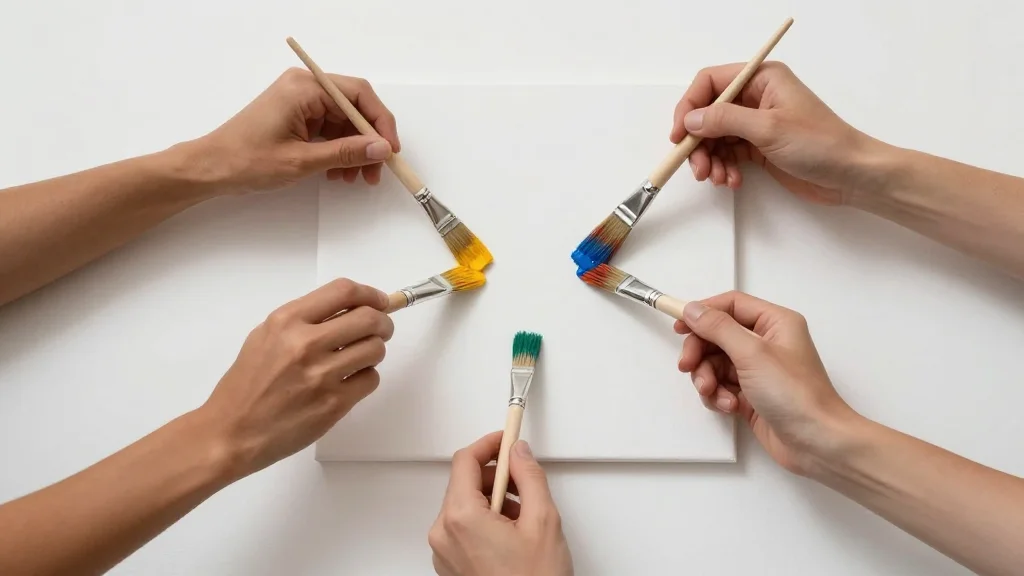
Carnegie International 59 Opens in Pittsburgh with “If the Word We” Theme

Why It Matters
Carnegie International 59’s focus on collective identity arrives at a time when artists and institutions are grappling with how to address global fragmentation, social polarization, and the rise of networked cultures. By embedding the exhibition within community spaces and involving a writer as a co‑creator, the show challenges the traditional museum model that often isolates high art from everyday life. This experiment could reshape how major surveys curate, fund, and program future exhibitions, influencing funding bodies and cultural policymakers. Moreover, the International’s scale—61 participants and 36 new commissions—provides a significant platform for emerging and established artists to test ideas about shared experience. The resulting works may filter into broader market trends, affecting collector interest, gallery representation, and the valuation of collaborative practices in contemporary art.
Key Takeaways
- •61 artists and collectives from 30+ countries featured in Carnegie International 59
- •36 newly commissioned works unveiled under the theme “If the word we”
- •First-time partnerships with Children’s Museum of Pittsburgh, Kamin Science Center, Mattress Factory, and Thelma Lovette YMCA
- •Curatorial team collaborated with writer Haytham el‑Wardany to shape exhibition narrative
- •Director Eric Crosby aims to make Pittsburgh “a place where art happens”
Pulse Analysis
The Carnegie International’s pivot toward a community‑centric model reflects a broader shift in the art world toward decentralization and participatory curating. Historically, the International functioned as a top‑down survey, but this edition’s integration of local institutions signals a strategic response to declining museum attendance and the need for relevance in a post‑pandemic cultural economy. By leveraging existing civic infrastructure, the museum reduces overhead while expanding its reach, a template that could be replicated by other legacy institutions facing budget constraints.
From a market perspective, the emphasis on newly commissioned works is a calculated risk that may pay dividends. Fresh, site‑specific pieces often become anchor works for a museum’s collection, enhancing its long‑term asset base and attracting future donors. Collectors watching the International will likely scout for artists who demonstrate an ability to navigate collective narratives, potentially driving up demand for collaborative practices and interdisciplinary projects.
Looking ahead, the success of Carnegie International 59 could influence funding agencies and grantmakers to prioritize projects that demonstrate tangible community impact. If the exhibition’s public programs generate measurable engagement—attendance, educational outcomes, and media coverage—the model may become a benchmark for future biennials and triennials worldwide, reshaping how contemporary art is presented, funded, and consumed.
Carnegie International 59 Opens in Pittsburgh with “If the Word We” Theme
Comments
Want to join the conversation?
Loading comments...