Censorship Clash and Carpet Triumph Mark Turbulent 2026 Venice Biennale

Why It Matters
The censorship of Kadyrhanova’s *Machine* spotlights the fragile balance between state authority and artistic expression in globally visible cultural events. When a national ministry can compel the removal of a work deemed politically sensitive, it raises questions about the autonomy of biennial platforms that traditionally champion dissent. Simultaneously, the strike and boycott illustrate growing unrest among artists and cultural workers who demand ethical governance and transparent decision‑making. The emergence of a digital Visitors’ Lions voting system, while intended to democratize awards, may instead amplify corporate influence, prompting a reevaluation of how prestige is conferred in the art world. Faig Ahmed’s carpet installation, praised for its synthesis of heritage and technology, demonstrates that innovative practice can still thrive amid controversy, offering a template for how art can engage with both history and contemporary anxieties.
Key Takeaways
- •Kazakhstan’s Ministry of Culture ordered the dismantling of Äsel Kadyrhanova’s *Machine* installation on May 5, citing contractual clauses against political content.
- •Curator Syrlybek Bekbota publicly accepted responsibility for the removal, emphasizing pavilion-wide implications.
- •A strike on May 8 shut down roughly one‑third of national pavilions, protesting the inclusion of Israel and Russia.
- •More than 70 artists and 22 pavilion teams withdrew from the Visitors’ Lions voting system, labeling it a corporate façade.
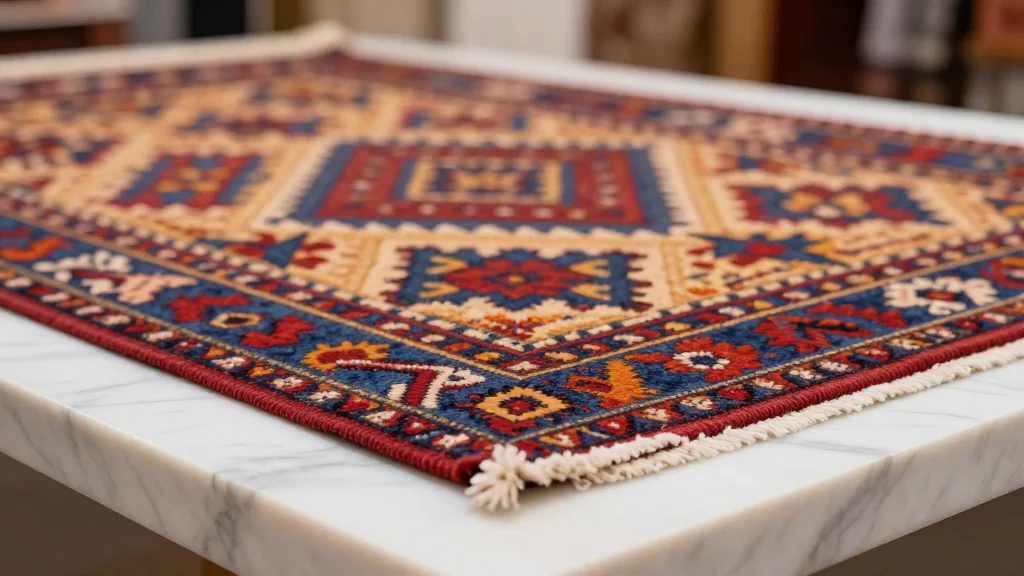
- •Faig Ahmed’s *The Attention* carpet installation in Azerbaijan’s pavilion has become a celebrated highlight, merging traditional weaving with digital-age concepts.
Pulse Analysis
The 2026 Venice Biennale is a microcosm of the broader clash between geopolitical power and artistic autonomy that has intensified across major cultural institutions. The Kazakh censorship episode is not an isolated incident; it follows a pattern where governments leverage contractual language to pre‑emptively silence dissenting narratives. By embedding clauses that ban "political, ideological, or propagandistic" works, organizers create a legal veneer that can be invoked without public justification, effectively shifting the burden of proof onto artists. This tactic erodes the Biennale’s reputation as a sanctuary for critical discourse and may deter future participation from artists whose practice engages with contested histories.
The labor unrest and jury boycott further underscore a growing demand for ethical accountability. Artists and cultural workers are no longer content with passive acceptance of curatorial decisions; they are mobilizing to challenge structures they view as complicit in legitimizing oppressive regimes. The rapid adoption of a digital voting system for the Visitors’ Lions, while marketed as inclusive, reveals a tension between democratization and commercialization. The backlash suggests that audiences and creators alike are wary of mechanisms that could dilute curatorial expertise in favor of market‑driven popularity contests.
Faig Ahmed’s carpet installation offers a contrasting narrative of resilience. By reimagining a centuries‑old craft through the lens of quantum theory and digital aesthetics, Ahmed demonstrates that innovation can flourish even when the institutional environment is volatile. His work acts as a cultural bridge, reminding stakeholders that the Biennale’s core value lies in its ability to fuse heritage with contemporary inquiry. As the festival approaches its closing, the outcomes of the strike, the Visitors’ Lions vote, and any diplomatic negotiations over the Kazakh pavilion will likely set precedents for how future biennials negotiate the delicate equilibrium between artistic freedom, political pressure, and commercial imperatives.
Censorship Clash and Carpet Triumph Mark Turbulent 2026 Venice Biennale
Comments
Want to join the conversation?
Loading comments...