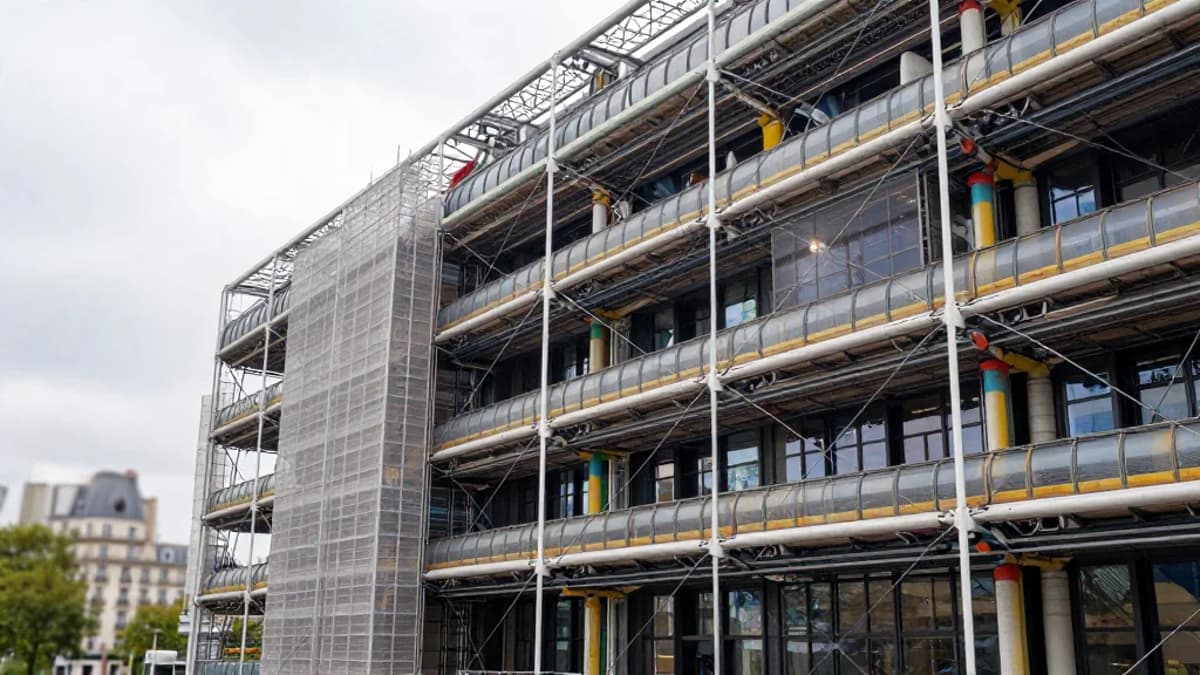
Centre Pompidou Confirms 2027 Closure for Major Five‑Year Renovation
•March 2, 2026
0
Key Takeaways
- •Pompidou closes 2027 for five-year renovation.
- •Structural overhaul includes asbestos removal, technical upgrades.
- •Collection will travel to partner institutions worldwide.
- •Project aims for sustainability, improved visitor experience.
- •Reopening expected to feature reimagined museum concept.
Summary
The Centre Pompidou will shut its doors in 2027 for a five‑year, €300‑million renovation that tackles asbestos removal and a full technical upgrade. Designed by Renzo Piano and Richard Rogers, the iconic 1977 structure requires deep structural work to meet modern environmental standards. During the closure, key works from its modern and contemporary collection will be loaned to partner museums across France and abroad. The overhaul aims to return the museum not only restored, but reimagined for sustainability and enhanced visitor experience.
Pulse Analysis
Paris’s Centre Pompidou, a hallmark of high‑tech architecture, is entering a transformative phase as it prepares for a five‑year closure beginning in 2027. The building’s exposed structural skeleton, celebrated for turning conventional museum design on its head, now faces the inevitable wear of half a century. Beyond cosmetic fixes, the renovation tackles hazardous asbestos, upgrades HVAC and lighting systems, and integrates energy‑efficient technologies to align with EU climate goals. Such deep‑seated interventions are rare for cultural venues, underscoring the urgency of preserving both the physical fabric and the symbolic daring of the Pompidou.
The temporary dispersal of the Musée National d’Art Moderne’s holdings represents an unprecedented decentralisation of a national collection. Partner institutions—from regional French museums to global art hubs—will host masterpieces by Picasso, Kandinsky, and contemporary creators, expanding audience reach and fostering cross‑institutional collaboration. This itinerant model not only mitigates the loss of public access during renovation but also tests new curatorial narratives that could persist after the museum reopens, potentially reshaping acquisition and exhibition strategies across the sector.
In a broader context, the Pompidou’s overhaul reflects a growing industry trend: legacy museums are re‑evaluating their physical footprints to meet sustainability, accessibility, and digital engagement standards. By embedding green infrastructure and rethinking visitor flow, the project aims to enhance comfort while reducing carbon footprints. When the doors swing open again, the Centre Pompidou is poised to serve as a benchmark for how iconic cultural institutions can evolve without compromising their core identity, offering valuable lessons for museums worldwide navigating similar challenges.
Comments
Want to join the conversation?