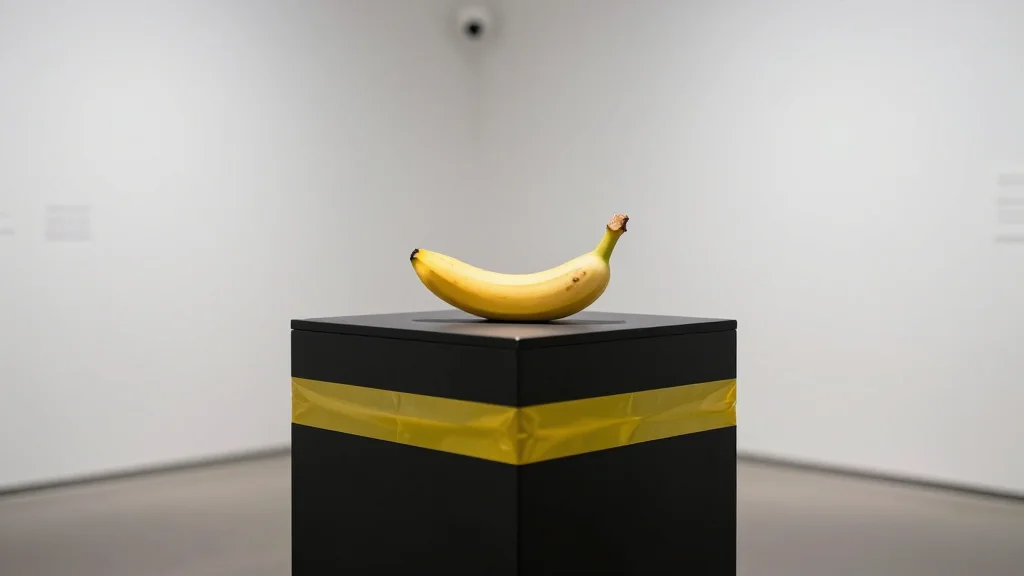
Centre Pompidou-Metz Files Lawsuit After Maurizio Cattelan's Banana Stolen

Companies Mentioned

Why It Matters
The theft spotlights a growing tension between the conceptual nature of contemporary art and the commercial realities that assign high monetary value to intangible elements like certificates of authenticity. As museums grapple with protecting such works, they must reconsider visitor engagement models that have historically encouraged direct interaction. The incident also serves as a cautionary tale for artists and collectors, highlighting the need for robust provenance tracking and legal frameworks that can address theft of objects whose physical components are intentionally transient. For the broader art market, the episode may influence insurance premiums for conceptual pieces and prompt auction houses to tighten verification processes. Collectors may become more hesitant to acquire works whose value hinges on documentation rather than a durable object, potentially reshaping demand for similar performance‑based art.
Key Takeaways
- •Centre Pompidou-Metz reports theft of Maurizio Cattelan's banana sculpture on Saturday.
- •Museum files legal complaint against unknown perpetrators, citing respect for artworks.
- •The piece’s market value stems from its certificate of authenticity, not the perishable banana.
- •Previous incidents include public consumption of the banana at Art Basel (2019) and in Korea (2023).
- •Exhibition runs until Jan 25, 2027; replacement banana installed immediately.
Pulse Analysis
Cattelan’s banana operates at the intersection of pop culture, performance, and high finance, making it a litmus test for how institutions manage art that is both consumable and commodified. The Pompidou-Metz theft underscores a paradox: the work’s allure lies in its ephemerality, yet its market price is anchored in an immutable certificate. This duality forces museums to treat a perishable object as a high‑value asset, prompting costly security measures that may dilute the work’s intended openness.
Historically, museums have tolerated a degree of audience interaction with conceptual pieces, viewing it as part of the artwork’s narrative. However, the escalation from casual consumption to criminal theft suggests that the novelty factor is wearing thin, and the financial stakes are rising. As insurers recalibrate risk models for such works, we may see a new tier of “conceptual art insurance” that covers not just physical loss but also the loss of provenance integrity.
Looking ahead, the legal precedent set by Pompidou-Metz could embolden other institutions to pursue criminal charges for similar acts, potentially deterring future thefts but also risking a more guarded museum experience. Artists like Cattelan, whose practice thrives on provocation, may need to renegotiate the balance between accessibility and protection, perhaps by embedding digital tracking or blockchain‑based provenance directly into the artwork’s protocol. The outcome of this case will likely influence how the art world navigates the fragile economics of conceptual, consumable art.
Centre Pompidou-Metz Files Lawsuit After Maurizio Cattelan's Banana Stolen
Comments
Want to join the conversation?
Loading comments...