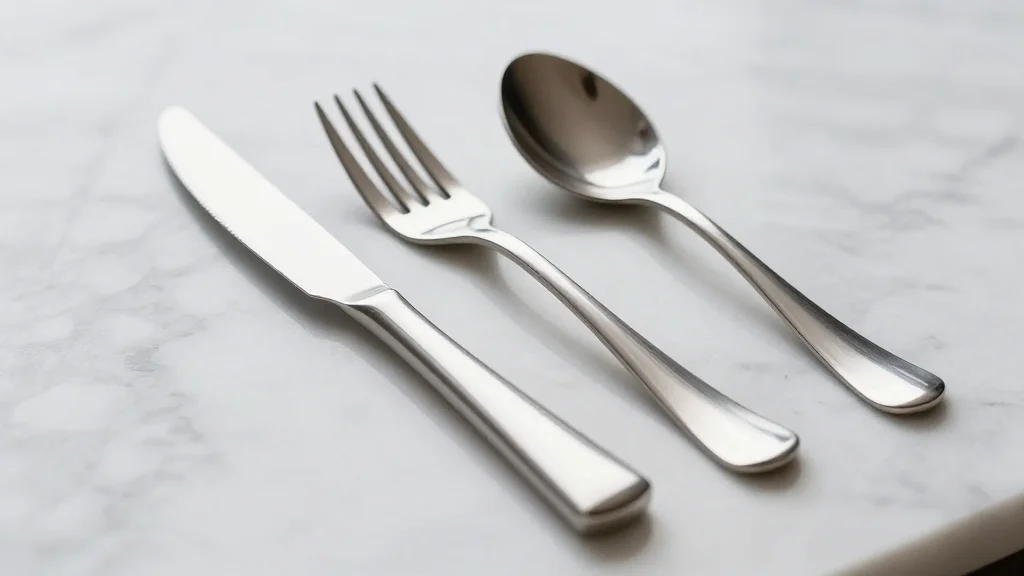
Collectors Are Forking Out for Modernist Cutlery
Why It Matters
The rising valuation highlights how everyday design objects can become high‑end collectibles, reshaping the secondary market for 20th‑century design. This trend signals broader investor interest in design heritage and sustainable luxury.
Key Takeaways
- •Denver Art Museum showcases 150 modernist flatware pieces.
- •Tapio Wirkkala set rose from $400 to $5,800.
- •David Mellor’s 1975 ‘Chinese’ set drives collector demand.
- •Rare 1963 ‘Embassy’ set fetched $13,700 at auction.
- •Online platforms keep modernist cutlery accessible to new collectors.
Pulse Analysis
The Denver Art Museum’s upcoming exhibition underscores a renewed appreciation for modernist flatware, an often‑overlooked segment of design history. By assembling 150 pieces that span more than a century, the show illuminates how designers like Josef Hoffmann, Albert Mayer and Isamu Noguchi translated the era’s industrial optimism into functional yet sculptural utensils. Visitors are invited to examine the subtle ergonomics and material innovations that distinguished these objects from their ornate 19th‑century predecessors, reinforcing the notion that everyday tools can embody avant‑garde aesthetics.
Market dynamics reveal a sharp upward trajectory for collectible cutlery. A set originally purchased for $400 now commands $5,800, while a 1975 David Mellor “Chinese” design and a 1963 “Embassy” commission have fetched $730 and $13,700 respectively. Auction houses such as Christie’s and Lyon & Turnbull, alongside online venues like 1stDibs and eBay, have democratized access, allowing novice collectors to acquire iconic pieces for modest sums. This liquidity fuels price discovery and encourages a new generation of design enthusiasts to view flatware as viable alternative assets.
Beyond price appreciation, the resurgence of modernist cutlery reflects broader cultural currents. The objects serve as tangible links to mid‑century modernism’s emphasis on functionality, sustainability and democratic design—principles that resonate with today’s eco‑conscious consumers. As museums spotlight these artifacts and brands revive historic silhouettes, the line between utilitarian object and collectible blurs, suggesting a future where everyday design is both preserved and re‑imagined for contemporary living. The trend hints at expanding opportunities for designers, curators and investors to capitalize on the enduring allure of well‑crafted, historically significant objects.
Collectors are forking out for modernist cutlery
Comments
Want to join the conversation?
Loading comments...