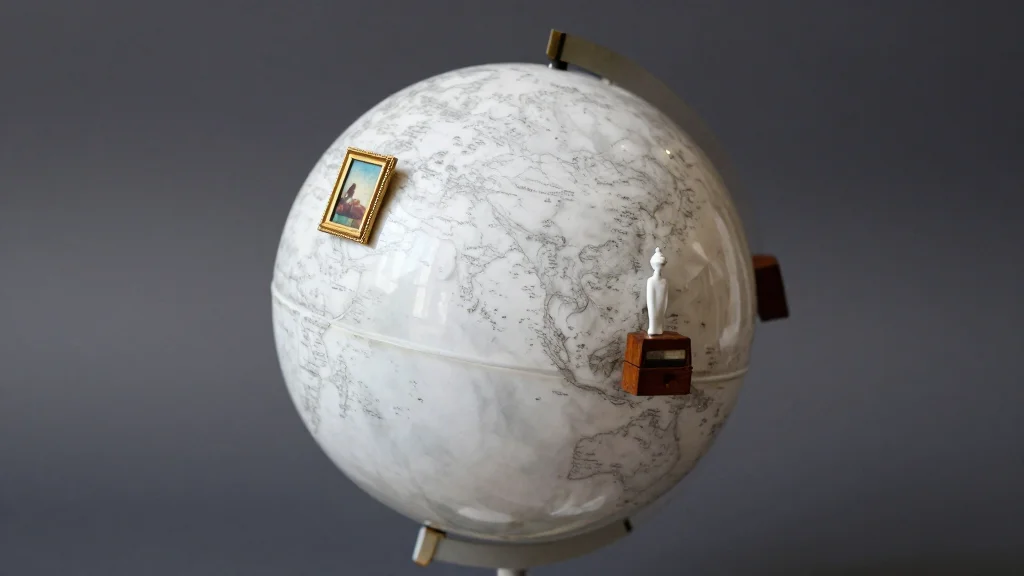
Comment | Flourishing Markets Beyond the Big Three Will Benefit the Art Ecosystem—And the Planet
Why It Matters
Decentralizing the art market reshapes revenue streams, reduces environmental impact, and diversifies cultural influence beyond a few dominant cities, altering the competitive landscape for dealers, artists and investors.
Key Takeaways
- •Art market share outside US/UK/China rose to 24% in 2025.
- •South Korea and Switzerland led growth; Japan and Australia rose in 2024.
- •Regional galleries expanding in Bangkok, Warsaw, Margate, Qatar.
- •Decentralization could cut travel emissions and lower costs for artists.
- •US holds 44% market share; New York's dominance inflates local costs.
Pulse Analysis
The Art Basel & UBS market report highlights a clear pivot away from the historic triad of New York, London and Hong Kong. While the United States still dominates with roughly 44 % of global sales, the proportion of transactions occurring in "other" regions—spanning Asia, Europe and Oceania—has risen to a quarter of the market. This shift is driven largely by protectionist measures such as post‑Brexit tariffs and broader geopolitical frictions that have made the free flow of contemporary works more costly. As a result, emerging hubs like Seoul, Zurich, Tokyo and Sydney are capturing a larger slice of primary and secondary market activity, signaling a more geographically dispersed collector base.
Beyond economics, the decentralization trend carries significant sustainability benefits. Traditional art‑fair circuits demand frequent long‑haul flights, contributing to a sizable carbon footprint and imposing hefty travel budgets on galleries and buyers. By nurturing local exhibition spaces in cities such as Bangkok, Warsaw, Margate and Doha, the industry can reduce emissions while offering artists affordable studio rents and audiences more frequent cultural touchpoints. Digital platforms further bridge the gap, enabling virtual viewings and remote bidding that mitigate the need for physical presence without sacrificing market liquidity.
Looking ahead, the United States faces a paradox: its market share remains robust, yet the concentration of power in New York inflates operating costs and strains talent pipelines. Cities like Los Angeles, Houston and Chicago are poised to absorb some of this pressure, especially as next‑generation wealth becomes more globally distributed and gender‑balanced. Leveraging technology—augmented reality, blockchain provenance and AI‑driven curation—will be crucial to sustain growth across a polycentric landscape, ensuring that the art ecosystem remains vibrant, inclusive and environmentally responsible.
Comment | Flourishing markets beyond the big three will benefit the art ecosystem—and the planet
Comments
Want to join the conversation?
Loading comments...