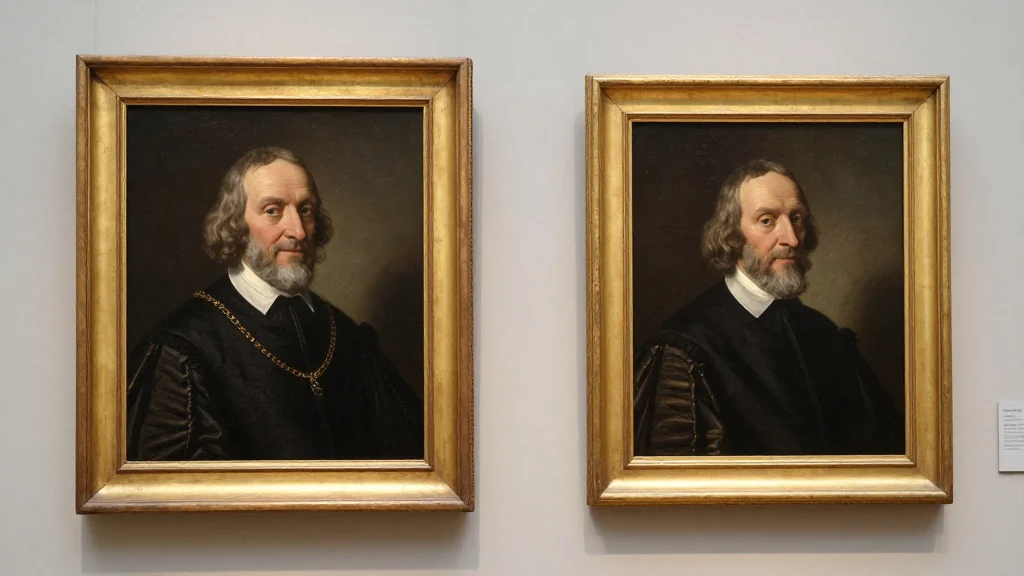
Copy of Rembrandt Portrait on Display in Chicago Is by the Master Himself, Scholar Claims
Why It Matters
If confirmed, the attribution could raise the painting’s market value and reshape scholarly understanding of Rembrandt’s studio practices, influencing both collectors and museums.
Key Takeaways
- •Scholar claims Chicago copy is genuine Rembrandt autograph
- •Exhibition pairs original and copy for comparative study
- •Attribution debates could shift Rembrandt catalog numbers
- •Findings may boost market values and museum narratives
- •Show will travel from Chicago to Gotha, Germany
Pulse Analysis
Rembrandt attribution has become a high‑stakes puzzle, with advances in pigment analysis, infrared reflectography, and provenance research regularly overturning long‑held assumptions. Gary Schwartz’s assertion that the Chicago copy is an autograph replica challenges the traditional view that Rembrandt rarely produced duplicate portraits. By placing the original panel work beside the canvas version, the Art Institute of Chicago creates a live laboratory where scholars can scrutinize brushwork, compositional tweaks, and material choices that may reveal the master’s hand.
The financial ripple effects are immediate. An autograph label can add tens of millions of dollars to a work’s valuation, reshaping auction expectations and insurance assessments. Museums, too, must reconsider exhibition narratives; a piece once presented as a studio copy now becomes a centerpiece illustrating Rembrandt’s entrepreneurial approach to branding his name in the early 1630s. The upcoming *Rembrandt 1632* tour, moving from Chicago to Gotha, will spotlight this debate, drawing visitors eager to witness a potential re‑definition of a canonical artist’s oeuvre.
Beyond market and museum concerns, the case underscores a broader shift in art‑historical methodology. Scholars are moving away from monolithic attributions toward a nuanced view of collaborative workshops, where masters and apprentices co‑created works. As technology uncovers more layers beneath the surface, the Rembrandt corpus will likely continue to fluctuate, prompting collectors and institutions to adopt more flexible acquisition strategies. This evolving landscape reinforces the importance of interdisciplinary research in preserving and interpreting cultural heritage.
Copy of Rembrandt portrait on display in Chicago is by the master himself, scholar claims
Comments
Want to join the conversation?
Loading comments...