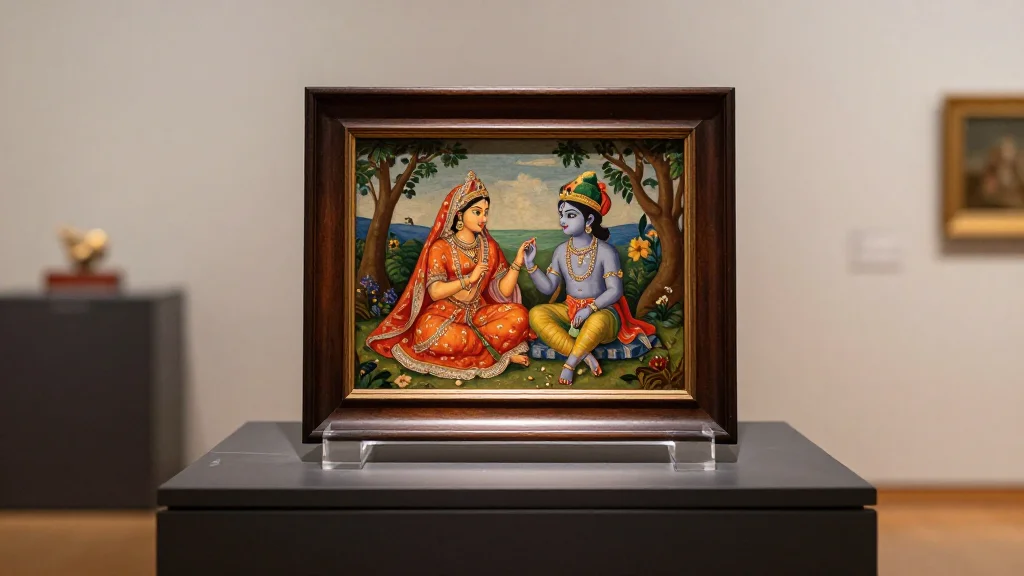
Cyrus Poonawalla Pays $20 M for Raja Ravi Varma’s ‘Yashoda and Krishna’, Setting Indian Art Record

Why It Matters
The $20 million sale of ‘Yashoda and Krishna’ not only establishes a new ceiling for modern Indian art but also signals a maturing market where domestic collectors are willing to invest at levels previously reserved for Western masters. By making the work publicly accessible, the Poonawallas are setting a precedent for cultural philanthropy that could democratize access to national treasures and stimulate museum attendance. The transaction also highlights the impact of export restrictions on price dynamics, as scarcity drives competition among elite buyers. For the broader South Asian art ecosystem, the record underscores the growing confidence of investors in the region’s artistic heritage. It may encourage auction houses to source more Indian modernist works, potentially increasing liquidity and visibility for artists whose legacies have been under‑represented on the global stage.
Key Takeaways
- •Cyrus and Adar Poonawalla purchase Raja Ravi Varma’s ‘Yashoda and Krishna’ for Rs 167.2 crore (~$20 M).
- •Sale sets new record for modern Indian art and highest price for any South Asian artwork at auction.
- •Painting will be displayed publicly at AstaGuru’s ShowKeen exhibition in Mumbai on April 11‑12.
- •Varma is a Navratna artist; his works cannot be exported, adding to scarcity and price pressure.
- •Record may trigger more high‑value sales and public‑private exhibition deals in the Indian art market.
Pulse Analysis
The Poonawalla purchase reflects a broader shift in Indian wealth management, where art is increasingly viewed as a dual-purpose asset: a store of value and a cultural legacy. Historically, Indian modernist works fetched modest sums compared with their Western counterparts, partly due to limited auction exposure and export constraints. This sale, however, demonstrates that when a work combines iconic status, national treasure designation, and a compelling narrative, it can command prices on par with global benchmarks.
From a market perspective, the transaction could catalyze a virtuous cycle. High‑profile sales generate media attention, which in turn raises awareness among potential buyers and institutions. Auction houses are likely to respond by curating more Indian modernist offerings, potentially expanding the secondary market. Yet the sustainability of such price growth hinges on the availability of comparable masterpieces; with Varma’s oeuvre largely locked in private hands or museums, supply remains tight.
Looking ahead, the Poonawallas’ decision to exhibit the painting publicly may inspire a new model of collector‑driven cultural outreach. By leveraging their stake in AstaGuru, they can facilitate access while preserving ownership, a formula that could be replicated by other Indian billionaires. If successful, this could broaden public engagement with Indian art heritage, enhance the sector’s credibility, and ultimately support higher valuations for future sales.
Cyrus Poonawalla Pays $20 M for Raja Ravi Varma’s ‘Yashoda and Krishna’, Setting Indian Art Record
Comments
Want to join the conversation?
Loading comments...