
Companies Mentioned


Why It Matters
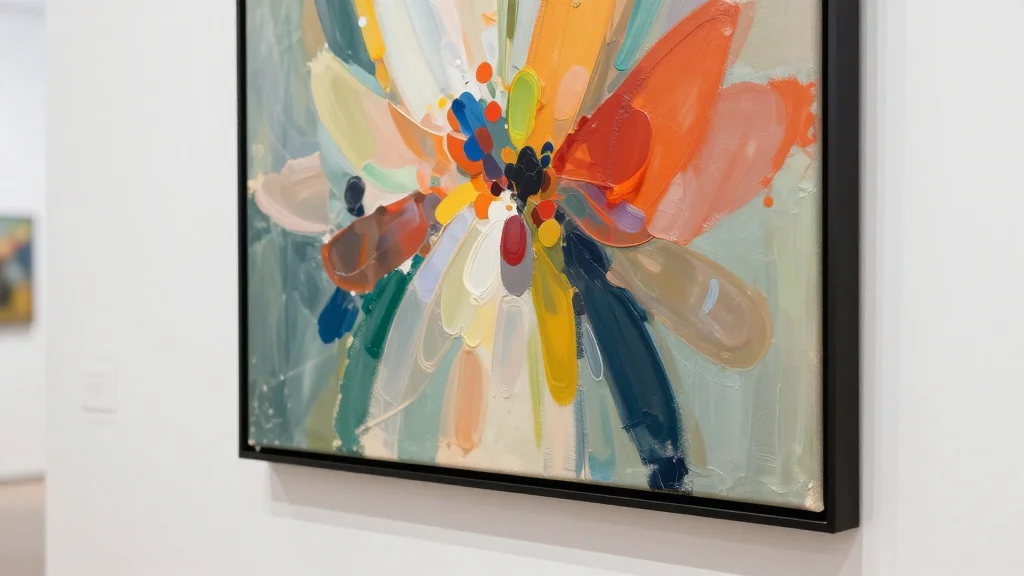
Dallas Art Fair’s continued growth signals a shift in the U.S. art fair geography, where secondary markets are gaining prominence alongside traditional coastal hubs. By attracting a diverse mix of galleries and emphasizing thematic cohesion, the fair offers collectors a concentrated platform for discovery, potentially reshaping buying patterns and encouraging investment in regional talent. Moreover, the fair’s ability to thrive amid broader market volatility demonstrates the resilience of localized cultural ecosystems, which could inspire similar initiatives in other emerging cities. The emphasis on floral motifs and experimental framing also reflects a post‑pandemic desire for optimism and tactile engagement, suggesting that thematic programming can be a strategic lever for fairs seeking to differentiate themselves in a crowded calendar.
Key Takeaways
- •2026 edition featured over 90 galleries, the highest count since the fair’s inception.
- •Theme centered on flora and inventive framing, highlighted by attendees like Brandon Zech.
- •Director Kelly Cornell described the fair as “leading” and “global.”
- •Founder John T. Sughrue’s original motivation: “Why do I want an art fair in Dallas? So I can go to it.”
- •Fair continues to grow despite lacking participation from mega‑galleries such as Gagosian.
Pulse Analysis
Dallas Art Fair’s trajectory illustrates how regional fairs can carve out a distinct identity by leveraging local demographics and thematic storytelling. The fair’s reliance on a consistent venue and recurring visual motifs creates a recognizable brand, while the inclusion of historic works like a Dürer woodcut adds scholarly weight. This blend of novelty and tradition appeals to both seasoned collectors and newer entrants drawn by the city’s rapid population growth.
However, the absence of the world’s largest gallery groups remains a double‑edged sword. On one hand, it frees the fair to spotlight emerging and mid‑tier galleries, fostering a more experimental environment. On the other, it may limit the fair’s ability to attract the highest‑value transactions that mega‑galleries typically bring. The strategic choice to focus on curated themes—flowers, figures, and fantastical frames—could be a way to compensate, offering a narrative hook that drives media coverage and visitor interest.
Looking forward, the fair’s success will hinge on its capacity to scale without diluting its curatorial focus. If Dallas can sustain its growth while integrating more high‑profile galleries and expanding its ancillary programming, it could challenge the dominance of coastal fairs and become a permanent fixture on the global circuit. The next few years will test whether the city’s cultural infrastructure and collector base can support that ambition.
Dallas Art Fair 2026 Highlights Floral Theme and Steady Growth
Comments
Want to join the conversation?
Loading comments...