Key Takeaways
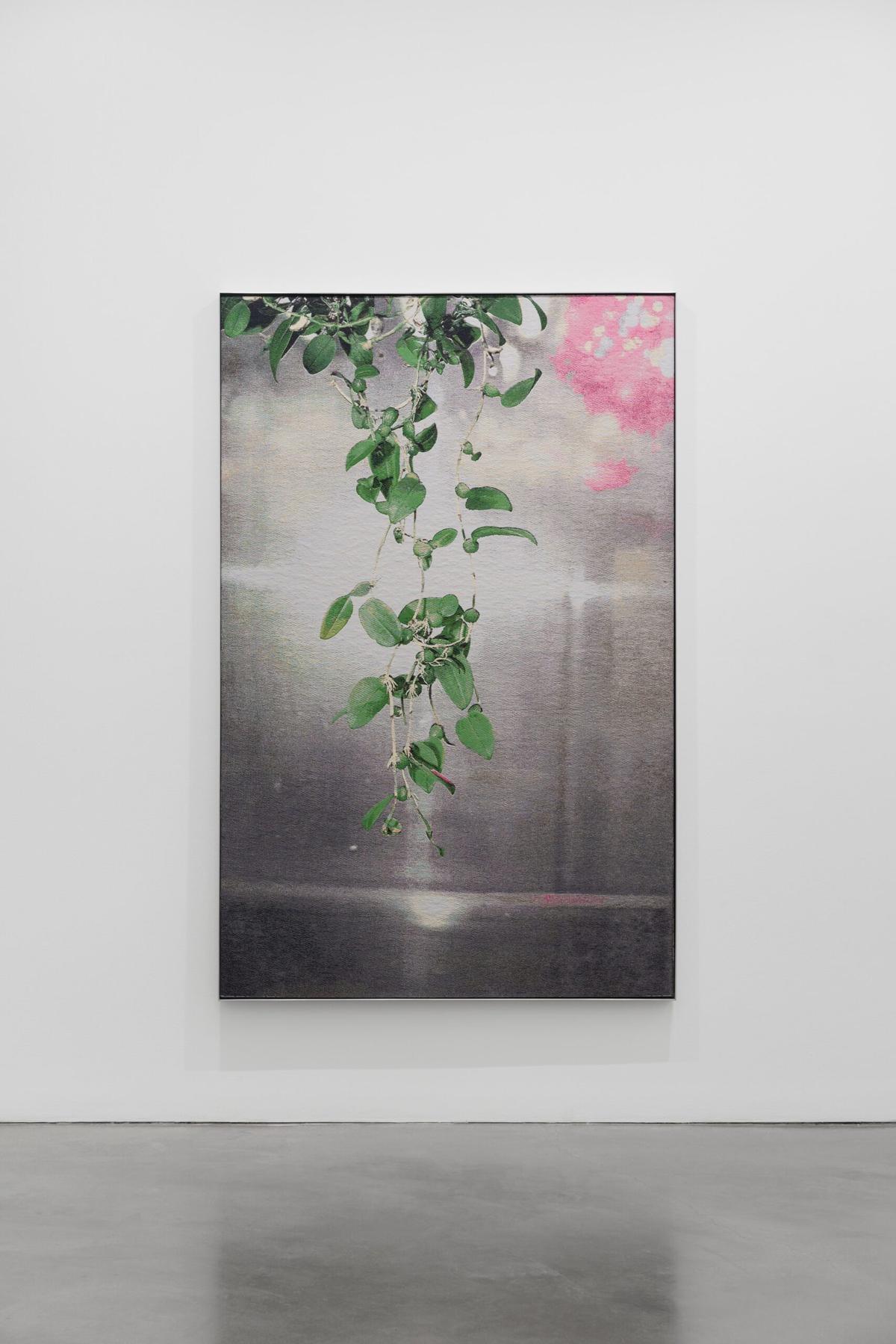
- •Hartt's works reinterpret 18th‑century botanical studies through modern media.
- •Images feature plants from Leiden, Uppsala, Göttingen, highlighting marginal flora.
- •Photogravures and tapestries emphasize human impact on ecosystems.
- •Exhibition links taxonomy, colonial history, and contemporary environmental concerns.
- •Galerie Thomas Schulte expands its program with interdisciplinary art.
Summary
Galerie Thomas Schulte’s "Naturphilosophie" showcases David Hartt’s new series of photogravures and tapestries that depict plants photographed across historic university towns in northern Europe. The works reference 18th‑century naturalists, especially Carl Linnaeus, and use scientific naming to foreground botanical subjects. By presenting close‑cropped, non‑identifiable landscapes, Hartt interrogates how knowledge systems have historically marginalized non‑human agents. The exhibition situates these images within broader narratives of colonialism, taxonomy, and contemporary environmental impact.
Pulse Analysis
David Hartt’s "Naturphilosophie" exhibition at Galerie Thomas Schulte merges historical botanical inquiry with contemporary artistic practice. By translating field photographs of plants from Leiden, Uppsala, and Göttingen into photogravures and woven tapestries, Hartt creates a tactile dialogue between 18th‑century taxonomy and modern visual culture. The choice of scientific nomenclature and subtle site references invites viewers to consider the legacy of figures like Carl Linnaeus, whose classification system underpinned European colonial expansion and the global movement of species.
The show’s conceptual core interrogates dominant knowledge structures that have historically marginalized non‑human life. Hartt’s close‑cropped compositions obscure recognizable landmarks, forcing attention onto the flora themselves and highlighting how ecosystems have been reshaped by human ideals and exploitation. This artistic strategy aligns with a broader cultural reckoning that links environmental degradation to colonial histories, positioning the exhibition as a critical commentary on how past scientific practices continue to influence contemporary ecological narratives.
From a market perspective, "Naturphilosophie" underscores the rising demand for interdisciplinary works that blend art, science, and social critique. Galleries and institutions are increasingly curating programs that address sustainability and decolonization, attracting collectors interested in socially engaged art. Hartt’s integration of traditional printmaking with textile techniques also expands the material vocabulary of contemporary art, offering fresh avenues for exhibition design and audience engagement.
Comments
Want to join the conversation?