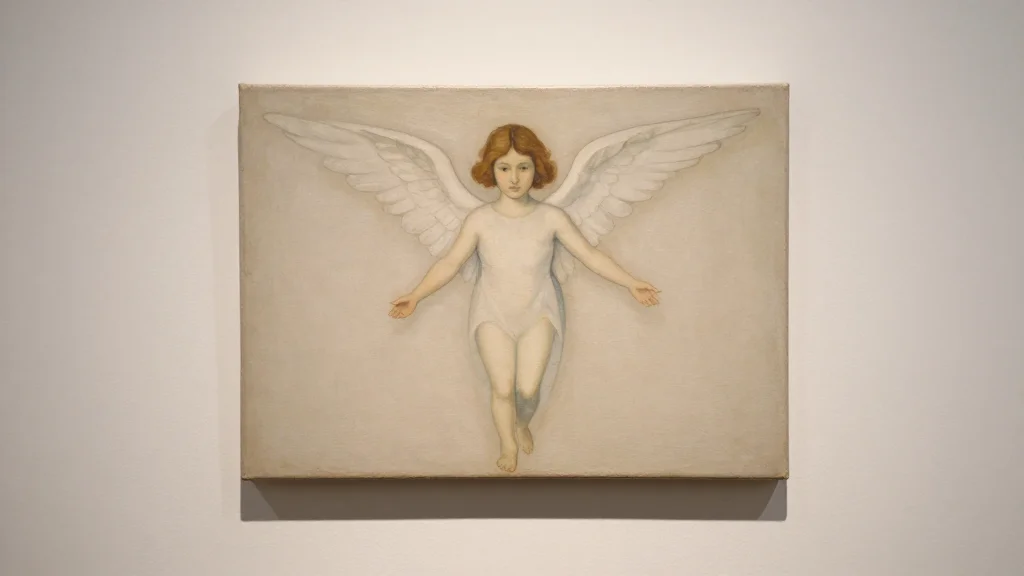
Delayed by War in Iran, Paul Klee Painting From Israel Finally Joins New York Show
Why It Matters
The delayed loan underscores how geopolitical conflict can impede cultural exchange, while the painting’s presence enriches the museum’s narrative of Klee’s late‑period art and its historical resonance.
Key Takeaways
- •Angelus Novus arrives at New York's Jewish Museum after war‑delay
- •Exhibition runs to July 26, showcasing 100 Klee pieces
- •Original painting replaces facsimile, ending temporary display note
- •War in Iran halted international transport, delaying artwork shipment
- •June 4 lecture will explore Angelus Novus' philosophical legacy
Pulse Analysis
The arrival of Paul Klee’s *Angelus Novus* at the Jewish Museum illustrates the fragile logistics behind high‑profile art loans. Even a modestly sized oil transfer on paper can become a diplomatic bargaining chip when international shipping routes are disrupted by conflict. In this case, the ongoing war between Iran and a U.S.-led coalition froze customs clearances and air freight, forcing the museum to rely on a high‑resolution facsimile for months. The episode highlights how museums must navigate not only curatorial challenges but also real‑time geopolitical risk assessments to fulfill exhibition promises.
Beyond the logistical drama, *Angelus Novus* carries deep intellectual weight. Acquired by German philosopher Walter Benjamin in 1921, the painting inspired his seminal essay “Theses on the Philosophy of History,” where he coined the “Angel of History” metaphor. By situating the work within a show focused on Klee’s final decade, the exhibition invites visitors to contemplate the artist’s response to the turbulent 1930s—a period marked by rising totalitarianism and impending war. The curatorial narrative draws parallels between Klee’s abstract language and the era’s existential anxieties, offering a layered experience that blends visual art with philosophical discourse.
The broader implication for cultural institutions is clear: art can serve as a conduit for soft diplomacy, even amid armed conflict. The successful repatriation of *Angelus Novus* demonstrates that collaborative networks—such as the partnership between the Jewish Museum, the Israel Museum, and Swiss institutions—can overcome transport hurdles when there is shared commitment to public access. The upcoming lecture on June 4, featuring art historian Annie Bourneuf, will further unpack the painting’s legacy, reinforcing the museum’s role as a forum for scholarly dialogue and reinforcing the value of preserving artistic heritage despite geopolitical turbulence.
Delayed by War in Iran, Paul Klee Painting from Israel Finally Joins New York Show
Comments
Want to join the conversation?
Loading comments...