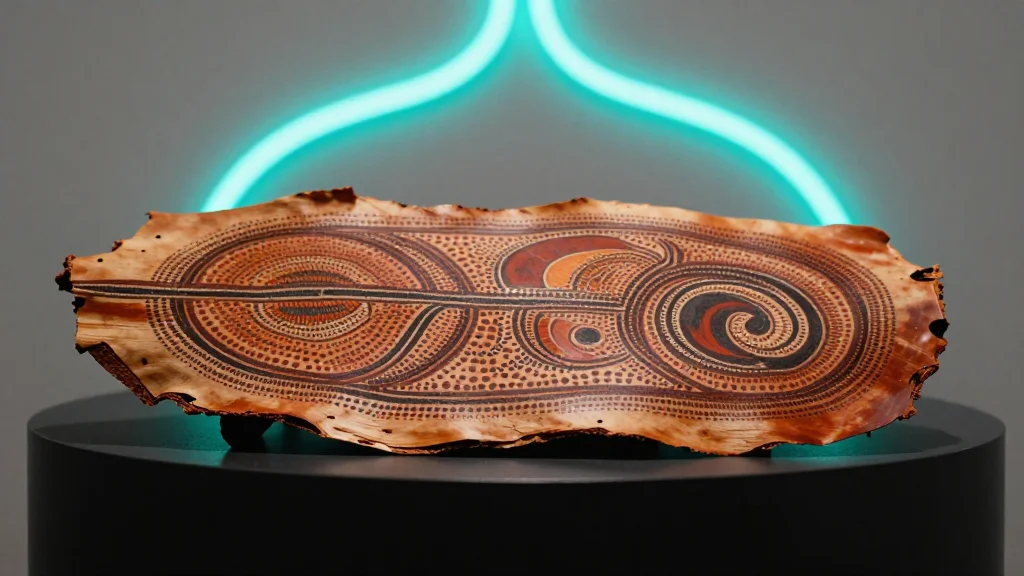
Denver Art Museum Debuts First Overseas Australian Indigenous Exhibition “The Stars We Do Not See”

Why It Matters
The debut of Australian Indigenous art in a major U.S. museum marks a watershed moment for cross‑cultural exchange, expanding the narrative of Indigenous art beyond North America. By juxtaposing Australian and American colonial histories, the exhibition encourages visitors to recognize shared patterns of oppression and resilience, fostering a more global understanding of Indigenous sovereignty. Moreover, the logistical feat of transporting delicate bark paintings and neon installations demonstrates a growing willingness among institutions to invest in the preservation and presentation of non‑Western art forms, potentially opening doors for future international loans. For Indigenous artists, the show provides unprecedented exposure to a new audience, potentially catalyzing market interest and academic research. For the museum sector, the exhibition serves as a case study in ethical collaboration, highlighting the importance of community consultation, proper provenance, and culturally appropriate display methods. The free admission for minors further signals a commitment to education, ensuring that younger generations encounter diverse artistic traditions early in life.
Key Takeaways
- •Denver Art Museum opens “The Stars We Do Not See” on April 19, the first overseas exhibition of Australian Indigenous artwork.
- •Show includes bark paintings, neon light sculptures, and pigment works made with brushes of human hair.
- •Curated by John Lukovic, who stresses connections between Indigenous experiences of colonialism in Australia and the U.S.
- •Exhibit runs through July 26; free admission for visitors under 18.
- •Museum plans educational programs and hints at future reciprocal exchanges with Australian institutions.
Pulse Analysis
The decision to bring Australian Indigenous art to Denver reflects a broader shift in the museum world toward de‑colonizing collections and expanding the geographic scope of Indigenous narratives. Historically, U.S. institutions have prioritized Native American art, often relegating other Indigenous cultures to peripheral status. By foregrounding Australian works, the Denver Art Museum not only diversifies its programming but also challenges the conventional, nation‑centric framing of Indigenous art. This move could pressure peer institutions to pursue similar international loans, accelerating a more inclusive curatorial agenda.
From a market perspective, the exhibition may stimulate demand for Australian Indigenous pieces among collectors who have traditionally focused on North American art. However, the museum’s emphasis on ethical stewardship—highlighting provenance, community involvement, and culturally sensitive display—sets a benchmark that could mitigate the risk of commodifying sacred objects. If the public programs succeed in deepening visitor understanding, the show could serve as a template for how museums balance accessibility with respect for cultural protocols.
Looking ahead, the partnership forged between the Denver Art Museum and Australian cultural bodies could evolve into a reciprocal exchange, allowing American Indigenous artists to exhibit in Australia. Such bilateral collaborations would not only broaden audiences but also create a trans‑Pacific dialogue on shared challenges like repatriation, climate change, and cultural preservation. The success of “The Stars We Do Not See” may therefore be measured not just by attendance numbers, but by its ability to catalyze lasting institutional change and foster a more interconnected global Indigenous art community.
Denver Art Museum Debuts First Overseas Australian Indigenous Exhibition “The Stars We Do Not See”
Comments
Want to join the conversation?
Loading comments...