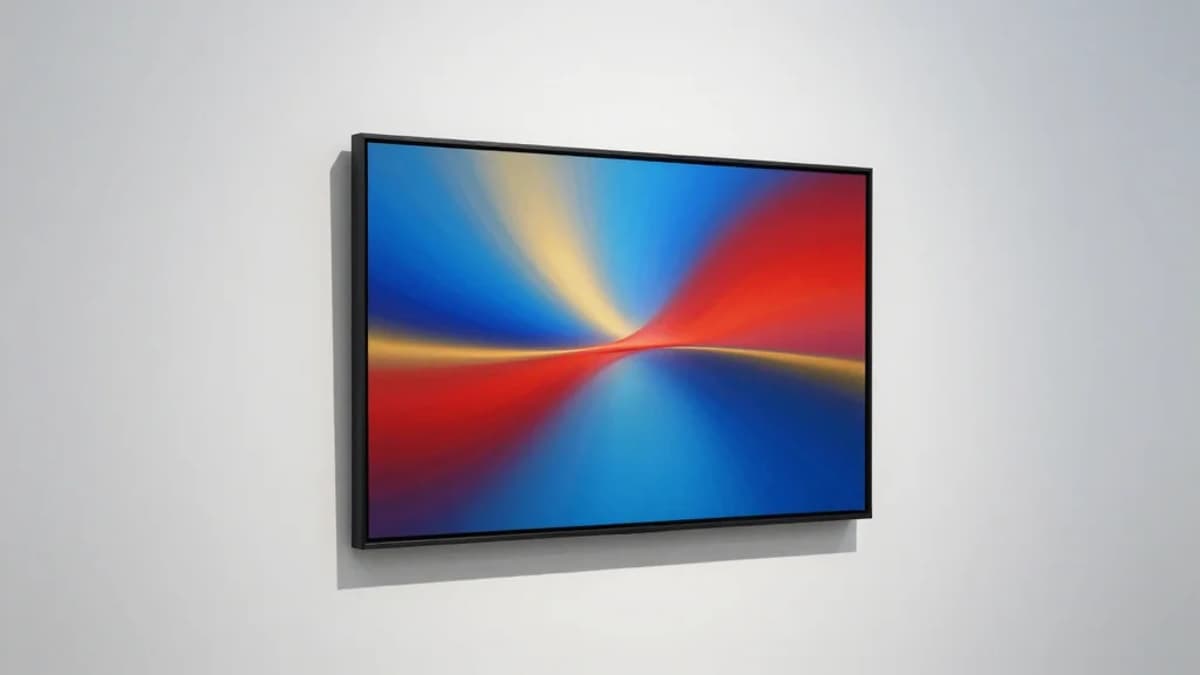
Digital Painting in LA and Beyond, the Set List
•February 25, 2026
0
Why It Matters
The discussion reframes how institutions and collectors value digital creation, influencing market standards and future museum programming. Clarifying the definition of digital painting will affect artist recognition and investment in emerging technologies.
Key Takeaways
- •Event explores definition boundaries of digital painting.
- •Showcases works from pioneers to emerging code-based artists.
- •Highlights tension between hand-crafted and algorithmic creation.
- •Raises questions on AI's role in future painting.
- •Curatorial authority vs community labeling examined.
Pulse Analysis
Digital painting has evolved from early Photoshop brushwork to sophisticated generative systems, yet its categorization remains fluid. The LACMA‑led showcase in Los Angeles highlighted this evolution by juxtaposing 1980s raster pieces with 2024 code‑driven installations. By presenting works from artists like Bee Beep and Casey Reas alongside interactive browser art, the event underscored how the medium bridges traditional painterly gestures and computational processes, positioning digital painting as a distinct yet adaptable art form within contemporary culture.
The program’s core debate centered on authorship and technique: does a digital painting require a hand‑held device, or can algorithmic code produce a painterly result? Participants questioned whether AI‑generated imagery, which increasingly references historic styles, should be classified under the same umbrella. This dialogue reflects broader tensions between curatorial gatekeeping and the self‑organizing communities of platforms such as DeviantArt, where artists themselves negotiate terminology. By foregrounding these issues, the event illuminated the need for a shared lexicon that accommodates both manual and automated practices.
For collectors, galleries, and museums, the outcomes of this discourse carry tangible implications. A clarified definition can streamline acquisition criteria, affect valuation models, and guide future exhibition strategies. As generative AI tools become more accessible, institutions that articulate clear standards for digital painting will likely attract pioneering creators and discerning buyers, shaping the market trajectory of this hybrid medium.
Digital Painting in LA and Beyond, the Set List
0
Comments
Want to join the conversation?
Loading comments...