Why It Matters
The loss of key institutions and a shrinking creative talent pool threatens Beijing’s position as a global art hub, potentially redirecting investment to more permissive markets.
Key Takeaways
- •UCCA faces financial strain; director Tinari departs for Tai Kwun
- •DRC NO. 12 and fRUITYSPACE close due to lease losses
- •Independent publishing squeezed; art book fairs turn into merch events
- •Over 1 million young Beijing residents left since 2020
- •Talent exodus fuels uncertainty for Beijing’s art ecosystem
Pulse Analysis
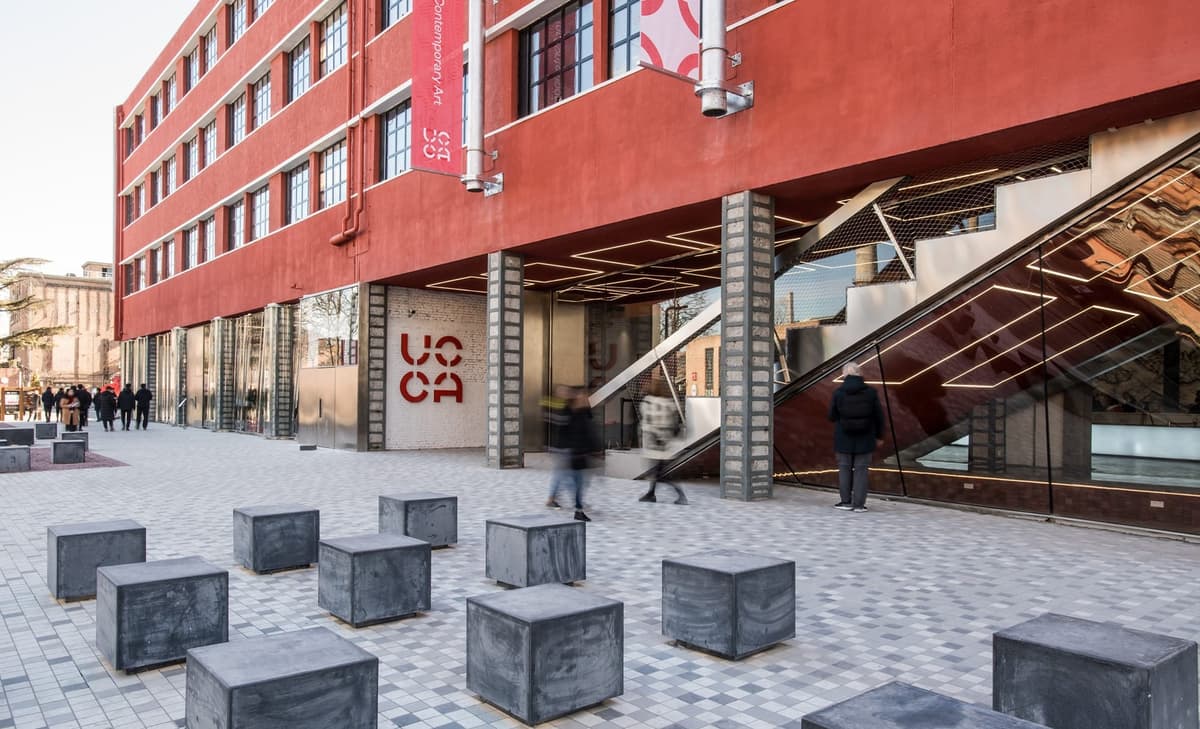
The Beijing art scene, once a magnet for avant‑garde exhibitions and international collectors, is now grappling with a cascade of institutional setbacks. UCCA, the city’s premier contemporary art center, disclosed mounting financial pressures and saw its 14‑year director Philip Tinari depart for Hong Kong’s Tai Kwun, signaling a leadership vacuum at a critical venue. Simultaneously, smaller but culturally vital spaces such as DRC NO. 12 and fRUITYSPACE were forced to close after lease renewals fell through. Adding to the strain, tighter censorship on independent publishing has relegated once‑vibrant art book fairs to low‑margin merchandise showcases.
Beyond the institutional turbulence, Beijing is witnessing a demographic shift that threatens the very foundation of its creative economy. Official statistics indicate that more than one million young residents have left the capital since 2020, driven by escalating housing costs, rising living expenses, and an increasingly restrictive regulatory environment. This talent exodus erodes the pool of curators, artists, and cultural entrepreneurs who sustain the city’s art market and limits the audience for experimental programming. As the younger cohort departs, galleries face shrinking sales pipelines and reduced patronage, further destabilizing the ecosystem.
Investors and cultural policymakers must now reassess Beijing’s long‑term viability as an art capital. The convergence of leadership turnover, venue closures, and a shrinking talent base may redirect capital toward more permissive Asian markets such as Singapore, Seoul, or Hong Kong, where regulatory risk is lower and living costs are comparatively manageable. To retain relevance, local institutions could explore hybrid revenue models, deepen digital engagement, and lobby for clearer cultural‑policy guidelines that protect independent publishing. Without decisive action, the city risks ceding its historic influence on the global contemporary art circuit.
Dispatch: Beijing
Comments
Want to join the conversation?
Loading comments...