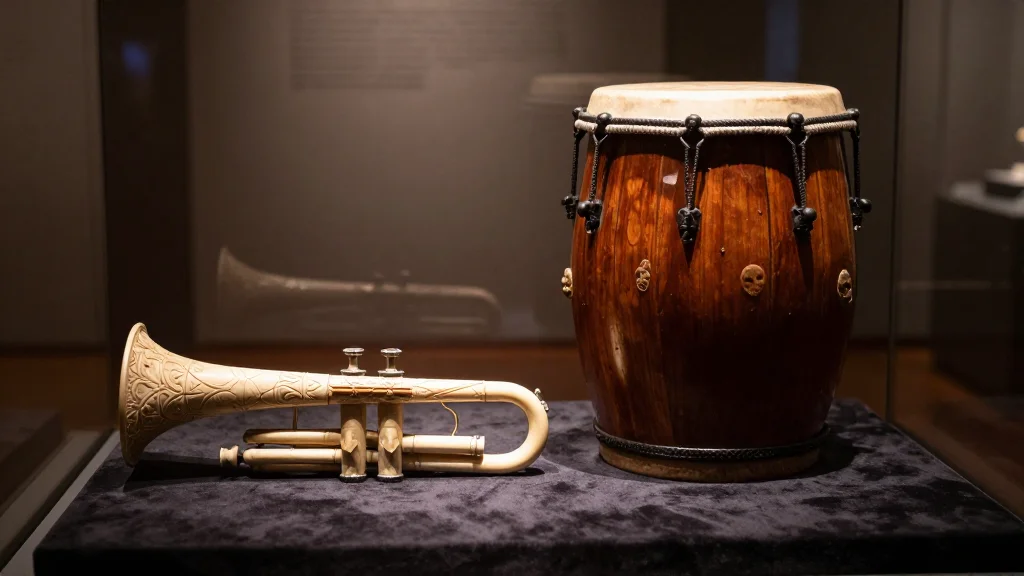
Drum and Trumpet with Human Skulls Attached Complicate Plan for Restitution From Los Angeles to Ghana
Why It Matters
The dilemma illustrates how cultural restitution becomes legally and morally complex when artifacts contain human remains, forcing museums to balance ethical stewardship with international pressure. It also reveals the broader impact of colonial looting on diplomatic relations and community heritage in West Africa.
Key Takeaways
- •Drum bears female skull; trumpet bears male skull, both 19th‑century
- •Instruments looted by British troops, donated to UCLA’s Fowler Museum
- •Restitution stalled due to ethical dilemma over human remains
- •Multiple claimants: Asante royalty, original makers, descendant communities
- •Ghanaian officials say public display of skulls would be acceptable
Pulse Analysis
The discovery of human skulls attached to a 19th‑century Asante drum and ivory trumpet has thrust the Fowler Museum into the spotlight of the global cultural restitution debate. These objects, looted by British forces during the 1896 Kumasi campaign and later absorbed into Henry Wellcome’s collection, exemplify the tangled provenance of many colonial-era artifacts now housed in Western institutions. As museums worldwide grapple with calls to return looted cultural property, the added layer of human remains transforms a straightforward repatriation request into a multifaceted ethical quandary.
Ethical considerations dominate the conversation in Ghana, where stakeholders—including the Asante royal family, the National Museum in Accra, and descendant communities—have divergent views on how to handle the skulls. Ghanaian officials argue that public display of the remains would not be culturally offensive, yet the Asante king may prefer to house the instruments in the Manhyia Palace Museum, where other restituted items are already exhibited. The presence of a female cranium on the drum further complicates matters, suggesting possible non‑Asante origins or later modifications intended for the European market. This ambiguity fuels debate over rightful ownership and the moral responsibility to honor the individuals whose remains are embedded in the artifacts.
For museums, the Fowler case serves as a cautionary tale about the need for transparent provenance research and proactive engagement with source communities before acquisition. It underscores that restitution policies must extend beyond objects to consider associated human remains, requiring interdisciplinary expertise from archaeologists, conservators, and ethicists. As the international community refines guidelines for repatriating cultural heritage, the outcome of these negotiations will likely influence future protocols, shaping how institutions balance scholarly access, public education, and respect for the dead.
Drum and trumpet with human skulls attached complicate plan for restitution from Los Angeles to Ghana
Comments
Want to join the conversation?
Loading comments...