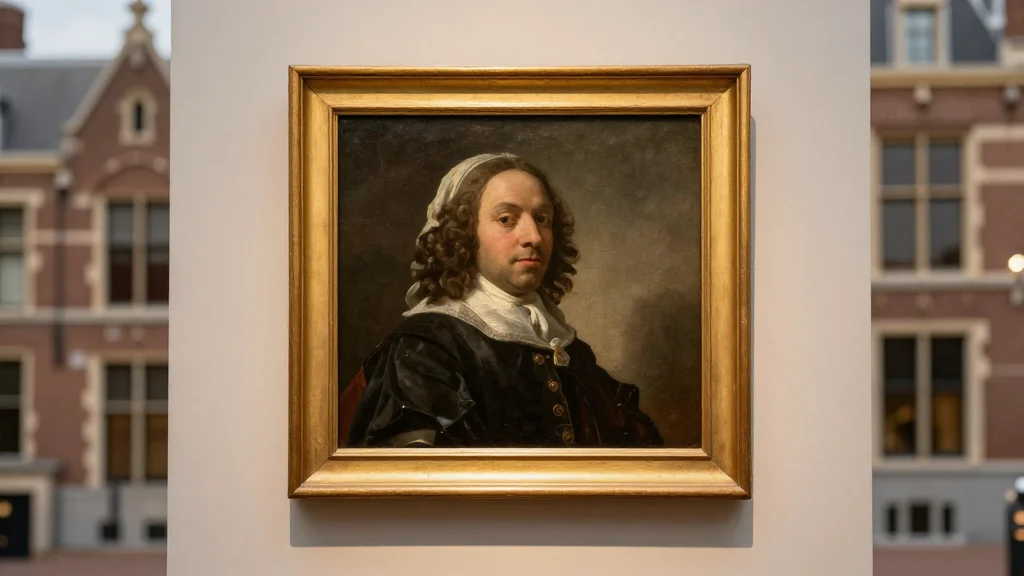
Dutch Commission Recommends New Guardianship for ‘Orphaned’ Nazi-Looted Art
Why It Matters
The proposal balances public access to contested cultural assets with the moral imperative of restitution, setting a potential model for how nations handle unresolved looted‑art claims. It also signals a shift toward greater transparency and community involvement in heritage stewardship.
Key Takeaways
- •Dutch committee suggests Jewish foundation custodianship for orphaned NK Collection
- •Proposal includes annual budget for exhibitions and Holocaust context labels
- •Israeli Dutch Jews propose selling collection, distributing proceeds to communities
- •Restitution has returned ~2,500 items; 3,500 still unrestituted
- •Guardianship shift keeps art public while preserving future claim options
Pulse Analysis
The Netherlands Art Property Collection, known as the NK Collection, houses thousands of Dutch Golden Age masterpieces that were recovered from Germany after World War II. Most of these works were seized from Jewish owners who perished or were forced to sell under Nazi pressure. Decades of provenance research have yielded modest restitution—about 2,500 pieces returned or sold—leaving roughly 3,500 objects still classified as orphaned, a lingering source of legal and ethical tension.
In April 2026, the Committee on Heirless Jewish Looted Art put forward a plan to place the orphaned works under the custodianship of a Dutch Jewish foundation, preferably operating out of the Jewish Museum in Amsterdam. The proposal allocates an annual budget for dedicated exhibitions and mandates explanatory labels that trace each item’s Holocaust provenance. While the initiative aims to keep the art publicly accessible and educate visitors, the Dutch Immigrants Association, representing Jews in Israel, has counter‑proposed a sale of the collection with proceeds earmarked for Jewish communities both in Israel and the Netherlands. Critics argue that transferring control may prematurely close the restitution window, though the committee’s chair insists heirs can still claim works.
If adopted, the guardianship model could reshape how governments manage contested cultural assets, offering a middle ground between outright restitution and indefinite state custody. By situating the collection within a Jewish cultural institution, the Netherlands signals a commitment to transparency and community involvement, potentially easing international criticism of its Restitutions Commission. The approach may also inspire other countries grappling with similar looted‑art legacies to consider public‑private partnerships that honor historical justice while preserving artistic heritage for future generations.
Dutch Commission Recommends New Guardianship for ‘Orphaned’ Nazi-Looted Art
Comments
Want to join the conversation?
Loading comments...