Why It Matters
The earrings illustrate how a collector can fuse personal style with artistic advocacy, amplifying the visibility of emerging movements and shaping cultural narratives.
Key Takeaways
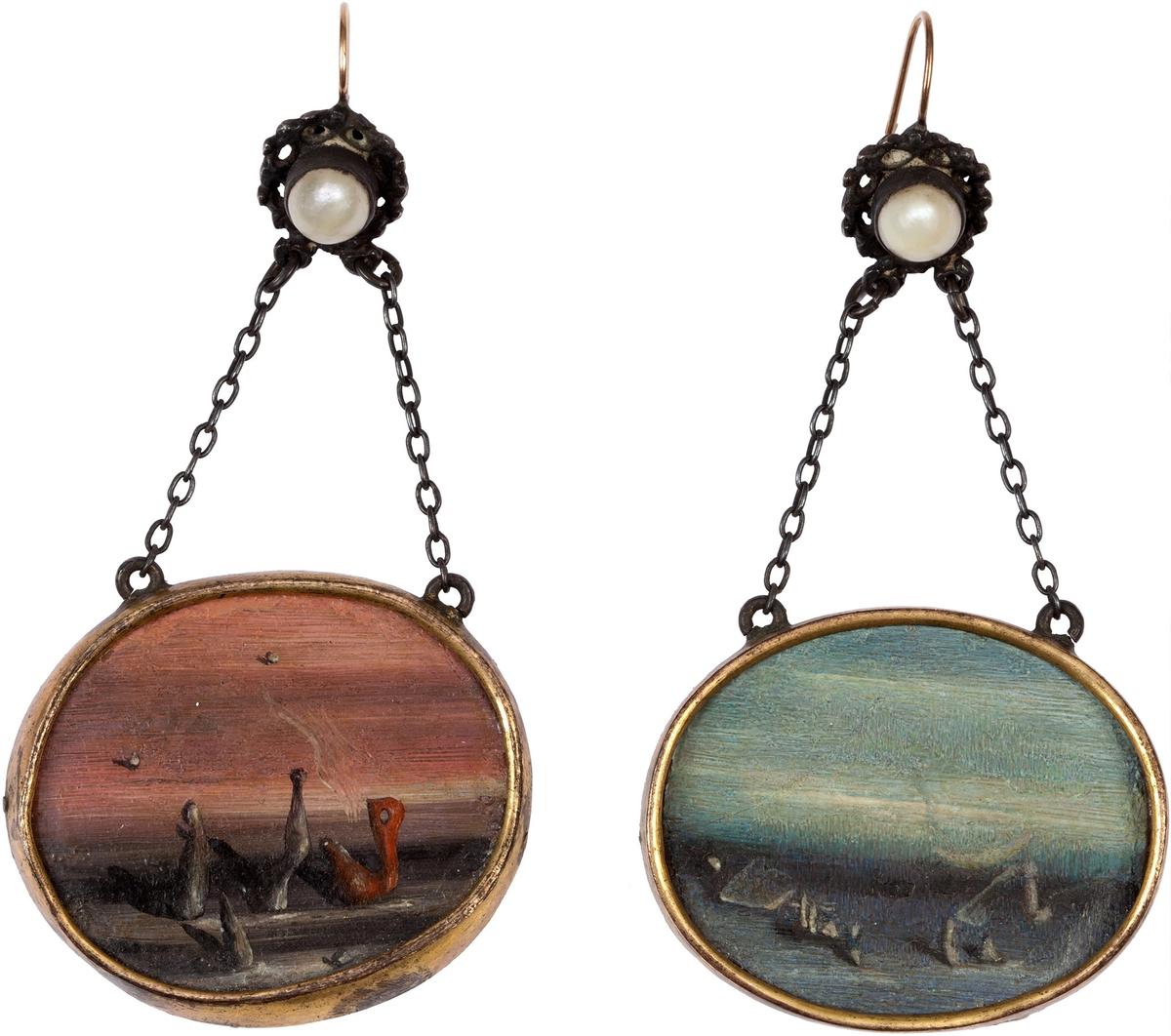
- •Tanguy created earrings as miniature surrealist paintings, 1938
- •Earrings gifted to Peggy Guggenheim, reflecting personal art integration
- •Worn at 1942 Art of This Century opening
- •Symbolized Guggenheim’s support for abstraction and Surrealism
- •Shows collectors using adornment to champion artistic movements
Pulse Analysis
Peggy Guggenheim’s reputation as a museum‑builder rather than a conventional collector set the stage for a unique form of patronage: wearing art. In the late 1930s she amassed a trove of modern masterpieces, yet she also curated a personal jewelry box that functioned as an extension of her exhibition spaces. By treating each adornment as a portable gallery, she blurred the line between private taste and public programming, reinforcing her brand as an avant‑garde tastemaker.
The Tanguy earrings epitomize this philosophy. Crafted from silver, gold, pearls and oil‑on‑shell, each earring contains a tiny, fully realized surrealist scene—one resembling a curling mollusk, the other a twisted pod. As miniature paintings, they translate Tanguy’s expansive, desolate landscapes into intimate objects that can be seen and touched. When Guggenheim paired the piece with an Alexander Calder earring on the opening night of Art of This Century, she used personal ornamentation to broadcast her commitment to both Surrealism and abstraction, turning a fashion choice into a strategic cultural statement.
Today, Guggenheim’s approach foreshadows a broader trend where high‑net‑worth collectors leverage wearable art to influence market perception and brand identity. By integrating artworks into daily life, they create continuous exposure for the movements they champion, driving demand and legitimizing new styles. Guggenheim’s earrings thus serve as an early case study in how personal branding can accelerate the acceptance of avant‑garde art, a lesson that resonates with contemporary patrons and museum founders alike.
Earrings for Peggy Guggenheim, c. 1938
0
Comments
Want to join the conversation?
Loading comments...