East Africa Meets Western Europe as Michael Armitage Takes on Venice's Palazzo Grassi
Companies Mentioned


Why It Matters
The exhibition signals a breakthrough for African‑diaspora artists in elite European institutions, expanding the market for culturally hybrid contemporary art and reinforcing François Pinault’s role as a global tastemaker.
Key Takeaways
- •Armitage's first solo show at Venice's Palazzo Grassi features 46 paintings
- •Exhibition blends East African themes with European art history
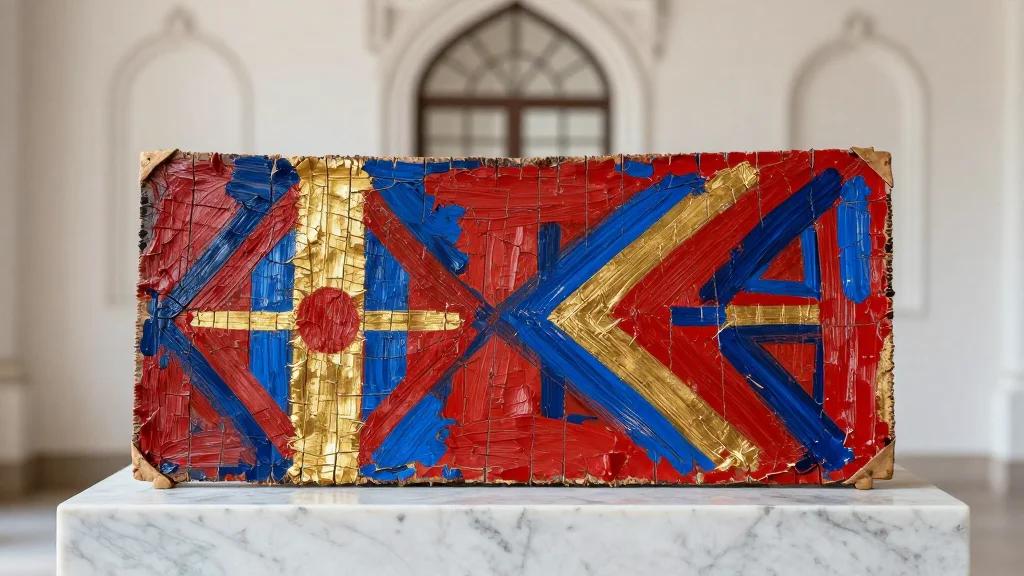
- •Uses Ugandan lubugo bark canvas for texture and cultural identity
- •Highlights Kenya's political instability and migration through vivid narratives
- •Recent Indonesian landscapes signal Armitage's expanding global perspective
Pulse Analysis
Michael Armitage’s debut at the Palazzo Grassi marks a rare convergence of African diaspora perspective and the grandiosity of a Venetian palace traditionally reserved for European avant‑garde. Owned by François Pinault since 2005, the venue has hosted heavyweight shows by Albert Oehlen, Luc Tuymans and Marlene Dumas, making Armitage’s inclusion a clear endorsement of his rising market stature. The exhibition’s scale—46 paintings and a room of sketches—offers collectors a comprehensive view of a decade‑long evolution, positioning the artist as a bridge between East African visual culture and Western canonical references.
At the core of Armitage’s practice is his use of lubugo, a bark canvas sourced from Uganda, which imparts a tactile unevenness that distinguishes his work from conventional oil on linen. This material choice reinforces the narratives he explores: Kenya’s political turbulence, migration crises, and the lingering scars of colonialism. By channeling cinematic influences from Ousmane Sembène and echoing Goya’s stark moral urgency, his canvases oscillate between documentary realism and dreamlike abstraction, resonating with collectors seeking socially engaged yet aesthetically compelling pieces. The exhibition’s focus on current African realities also aligns with a broader institutional shift toward diversifying representation in major museums and private collections.
Looking ahead, Armitage’s recent Indonesian series—vivid jungle landscapes painted in his Balinese studio—signals an expanding geographic lexicon that may attract new patronage from Asian markets while retaining his African thematic roots. This transcontinental dialogue enhances his appeal to global collectors and reinforces Pinault’s strategy of championing artists who navigate multiple cultural identities. As the show runs through January 2027, it is poised to boost secondary‑market demand, cement Armitage’s status as a leading voice in contemporary art and encourage further institutional commissions that foreground African perspectives in historic European settings.
East Africa meets Western Europe as Michael Armitage takes on Venice's Palazzo Grassi
Comments
Want to join the conversation?
Loading comments...