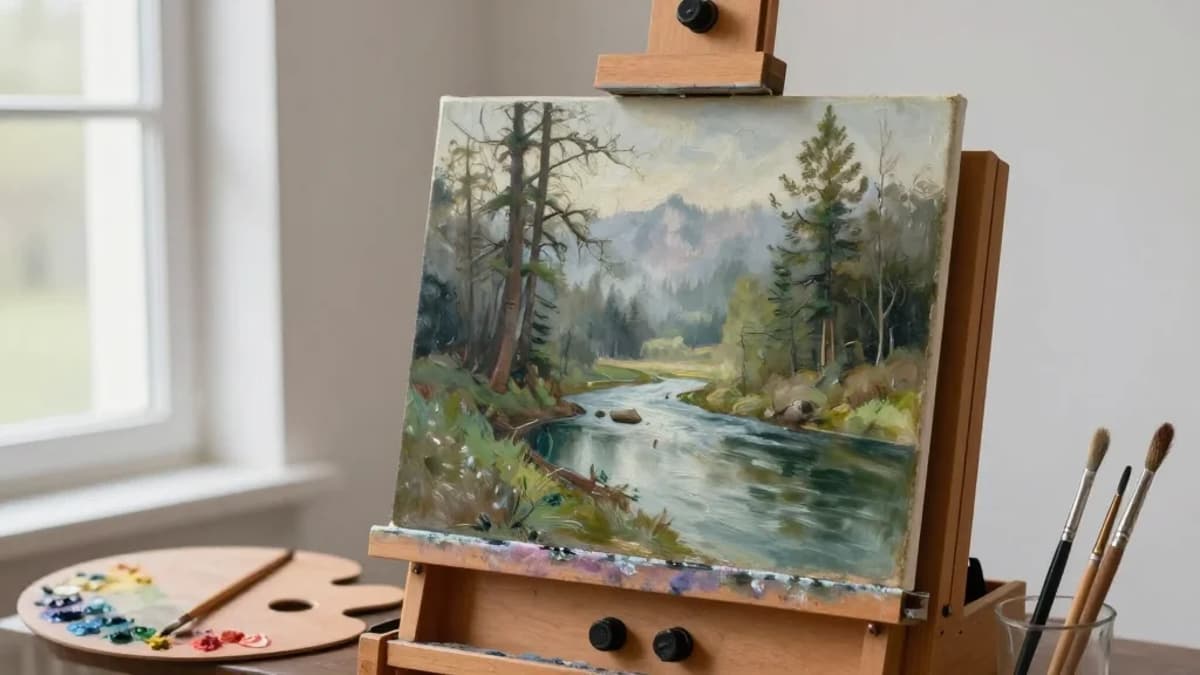
Ferdinand Georg Waldmüller: “True to Nature” At the Belvedere
•February 27, 2026
0
Key Takeaways
- •Exhibition runs Feb 27–June 14 2026 at Lower Belvedere
- •Showcases Waldmüller’s nature-focused landscapes and genre scenes
- •Highlights influence of Constable and Corot on Waldmüller
- •Explores Biedermeier art’s response to industrialization
- •Emphasizes 19th‑century ‘truth to nature’ artistic ethos
Summary
The Lower Belvedere will host “Ferdinand Georg Waldmüller: True to Nature” from 27 February to 14 June 2026, presenting the Austrian Biedermeier master’s landscape and genre works. The show places Waldmüller’s depictions of the Vienna Woods, Salzkammergut, and rural life alongside contemporaries such as John Constable and Jean‑Baptiste Camille Corot. It highlights his commitment to painting nature as it existed, reflecting a broader 19th‑century shift toward realism amid industrialization. Visitors will see how his art served both aesthetic and cultural functions, bridging personal customs and the natural world.
Pulse Analysis
Ferdinand Georg Waldmüller remains a cornerstone of Biedermeier art, celebrated for his meticulous rendering of Austrian scenery and everyday life. His philosophy—painting "nature that surrounds us, our time, our customs"—mirrored a continental yearning for authenticity as industrialization reshaped societies. By capturing the Vienna Woods, Salzkammergut vistas, and intimate genre scenes, Waldmüller offered a visual counterpoint to the mechanized world, positioning his work as both artistic achievement and cultural document.
The Belvedere’s “True to Nature” exhibition curates over thirty paintings and sketches, contextualizing Waldmüller alongside British and French peers like John Constable and Jean‑Baptiste Camille Corot. This comparative framework reveals shared techniques—loose brushwork, atmospheric light—and divergent national narratives. Curators emphasize how Waldmüller’s Austrian perspective infused his landscapes with a distinct sense of place, while still resonating with the broader European realist movement. For contemporary audiences, the show provides a lens into 19th‑century environmental consciousness and the era’s aesthetic debates.
Beyond scholarly interest, the exhibition is poised to boost cultural tourism and reinforce Vienna’s reputation as a premier art destination. Collectors and institutions are re‑evaluating Biedermeier works, driving modest upticks in auction activity and museum acquisitions. As climate discourse intensifies, Waldmüller’s reverence for unaltered nature offers a timeless narrative that aligns with modern sustainability conversations, ensuring his legacy remains both historically significant and commercially relevant.
Comments
Want to join the conversation?