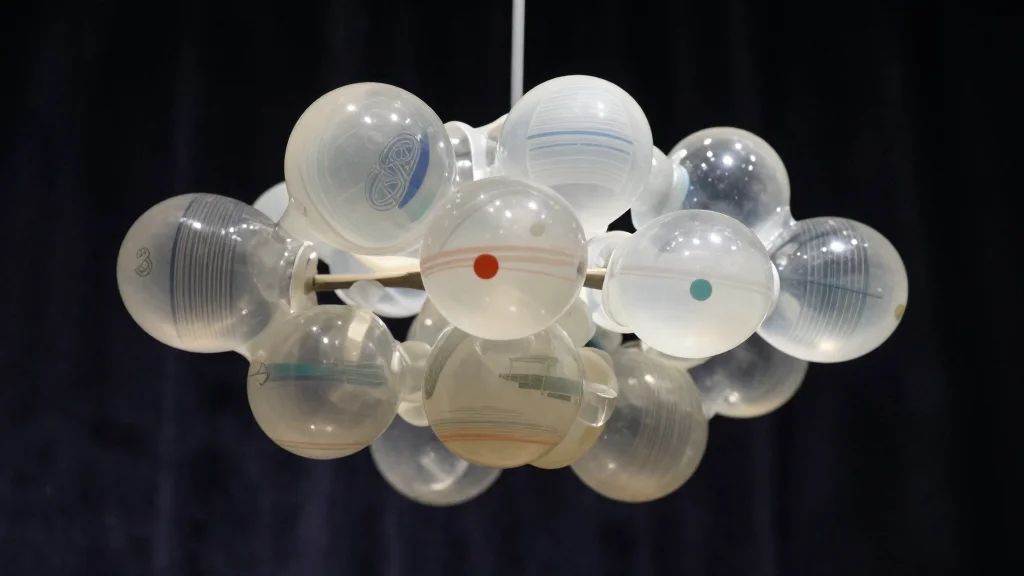
Finissage of ‘Beyond the Frame – Between Here and Elsewhere’ Wraps Three‑Month Show at Het Bos

Why It Matters
The finissage of ‘Beyond the Frame – Between Here and Elsewhere’ illustrates how collaborative curatorial models can amplify the visibility of emerging artists while addressing timely societal themes such as identity, migration and cultural belonging. By integrating public funding, open‑call selection and direct audience interaction, the project offers a replicable blueprint for other regional art ecosystems seeking to nurture talent without relying solely on commercial galleries. Moreover, the exhibition’s focus on fluid identities resonates with broader debates in the art world about representation and appropriation. By foregrounding artists who navigate multiple cultural contexts, the show contributes to a more nuanced discourse that challenges static narratives and encourages institutions to adopt more inclusive programming practices.
Key Takeaways
- •Finissage concluded the three‑month exhibition at Het Bos on Saturday.
- •Four emerging artists featured: Kawtar Ouh, Tatjana Huong Henderieckx, Nella Ngingo and Mistral.
- •Collaboration between FOMU, ILA Foundation and Het Bos marks the third edition of the program.
- •Public funding from Vlaanderen, the City of Antwerp and Breedbeeld supported the project.
- •ChitChat & Print Sale at FOMU provided direct artist‑audience engagement and print sales.
Pulse Analysis
The Het Bos finissage underscores a strategic shift in the European art market toward cooperative exhibition models that mitigate financial risk while expanding curatorial reach. Historically, single‑institution shows have dominated the funding landscape, but rising budget constraints and a desire for interdisciplinary dialogue have prompted entities like FOMU and ILA Foundation to pool resources. This approach not only diversifies the audience base—drawing patrons from each organization’s network—but also creates a more resilient platform for artists whose work engages with complex identity politics.
From a talent development perspective, the open‑call element is significant. It democratizes access, allowing artists outside established circles to compete on equal footing with those selected by partner institutions. This can accelerate career trajectories, as evidenced by the immediate print sales and media attention generated during the ChitChat event. In a market where emerging artists often struggle to secure representation, such hybrid models provide both exposure and a modest revenue stream.
Looking forward, the success of this edition may encourage other regional venues to adopt similar frameworks, especially in cities where public arts funding is earmarked for community‑focused initiatives. If the planned fourth edition expands into digital media, it could further blur the lines between physical and virtual exhibition spaces, offering new revenue models through NFTs or online print sales. The key challenge will be maintaining curatorial coherence while scaling up, ensuring that the core mission—highlighting fluid identities and fostering dialogue—remains central.
Overall, ‘Beyond the Frame – Between Here and Elsewhere’ serves as a case study in how collaborative curatorial practice can both reflect and shape contemporary cultural conversations, positioning Antwerp as a hub for progressive, inclusive art programming.
Finissage of ‘Beyond the Frame – Between Here and Elsewhere’ Wraps Three‑Month Show at Het Bos
Comments
Want to join the conversation?
Loading comments...