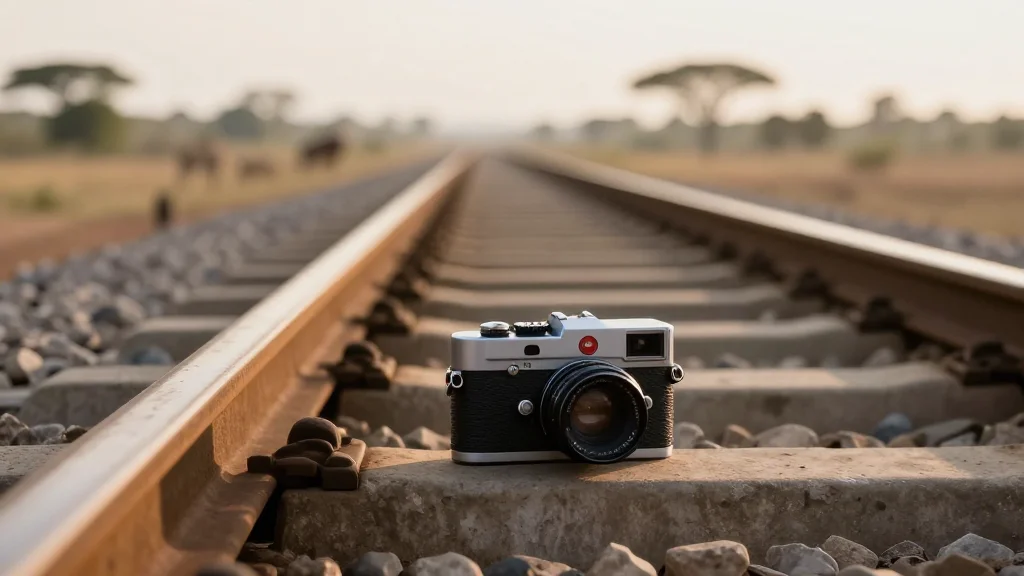
François-Xavier Gbré Uses His Photography to Fill in History’s Gaps
Why It Matters
The show reframes African colonial infrastructure as a living narrative, influencing how museums and collectors value contemporary African photography. It also highlights the power of cultural diplomacy in unlocking archival sites for artistic exploration.
Key Takeaways
- •Radio Ballast debuted at ICP, highlighting Ivorian rail history
- •Gbré uses photography as visual archaeology of colonial infrastructure
- •Exhibition secured museum acquisitions, boosting African contemporary art market
- •Collaboration with Ministry of Culture enabled access to restricted sites
Pulse Analysis
François‑Xavier Gbré’s latest project, "Radio Ballast," arrives at a moment when the global art market is increasingly attentive to African narratives that challenge colonial historiography. By tracing the railway that once ferried minerals from inland mines to the port of Abidjan, Gbré transforms steel tracks into visual testimonies of exploitation, nation‑building, and urban transformation. His method—photographing the same line from north to south—creates a layered chronology that invites viewers to read the present landscape as a palimpsest of past power structures. This approach resonates with curators seeking to contextualize African modernity beyond traditional portraiture, positioning photography as a form of archaeological inquiry.
The exhibition’s placement at the International Center of Photography, curated by David Campany, signals institutional validation of Gbré’s interdisciplinary lens. The partnership with Ivorian Minister of Culture Françoise Remarck granted the artist access to sites typically off‑limits, enriching the series with rare interior shots of historic stations. Such collaborations illustrate how cultural policy can facilitate artistic access to heritage assets, a model other African ministries may emulate. Moreover, the series’ inclusion in major collections—MoMA, Centre Pompidou, Smithsonian—demonstrates a growing collector appetite for works that merge aesthetic rigor with socio‑historical depth, potentially driving up market valuations for similar projects.
Beyond the gallery walls, "Radio Ballast" contributes to a broader discourse on memory preservation in regions where oral histories dominate. Gbré’s images act as visual anchors, translating unwritten stories into a format that can be archived, exhibited, and studied globally. For business leaders in the cultural sector, the project underscores the commercial viability of art that educates while it captivates, offering a blueprint for future investments in culturally resonant, historically grounded creative ventures.
François-Xavier Gbré Uses His Photography to Fill in History’s Gaps
Comments
Want to join the conversation?
Loading comments...