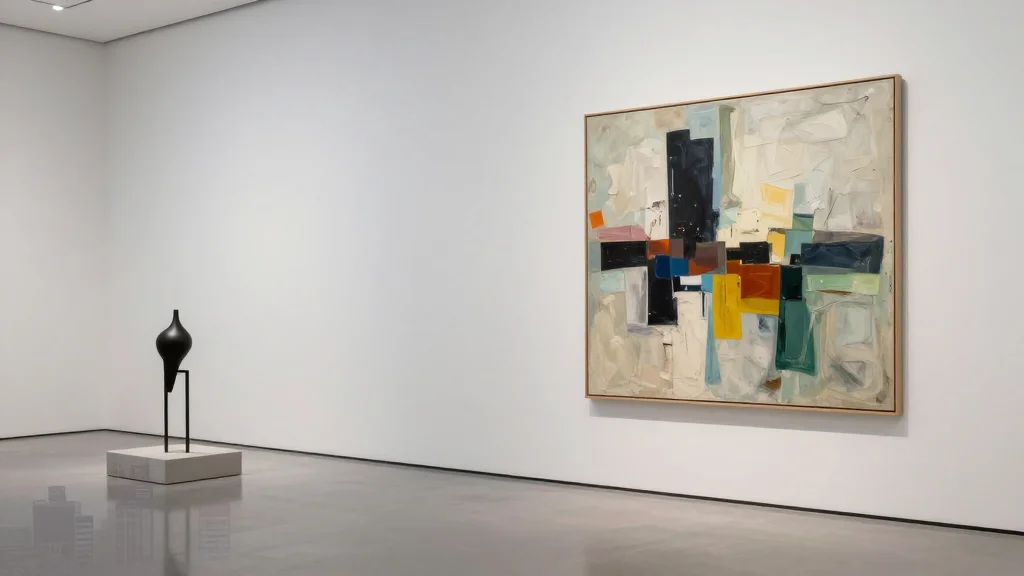
Frieze New York 2026 Expands Focus Strand to Spotlight Emerging Artists

Companies Mentioned
Why It Matters
The expansion of Frieze New York’s Focus strand signals a shift in how major art fairs can serve as incubators for emerging talent, rather than solely marketplaces for established names. By aligning with institutions like the Whitney and Dia, the fair creates a pipeline that can accelerate the careers of young artists and diversify the collector base. This model could reshape the economics of the New York art market, encouraging more investment in early‑career work and broadening the geographic representation of artists on view. For collectors, the move offers a curated entry point into the next generation of artists, potentially delivering higher long‑term returns as these creators gain recognition. For galleries, the larger Focus footprint provides valuable exposure in a high‑traffic venue, helping them secure sales and build relationships with curators and museum professionals who attend the fair.
Key Takeaways
- •Frieze New York’s Focus strand expands to 11 galleries showcasing emerging artists.
- •The fair co‑commissions a photographic installation by Jonathan González with the Whitney Museum.
- •Dia Art Foundation presents new video work by David Lamelas alongside a survey at Dia Beacon.
- •Central and South American art receives heightened visibility across the Galleries section.
- •Organizers aim to create a pipeline between emerging talent, collectors, and institutions.
Pulse Analysis
Frieze’s decision to enlarge its Focus strand reflects a broader industry trend where fairs are becoming hybrid cultural platforms. Historically, fairs like Frieze were judged primarily on sales volume, but the 2020s have seen a pivot toward curatorial relevance, driven by collectors’ appetite for narrative-driven acquisitions and institutions’ desire to scout fresh talent. By integrating co‑commissioned works with the Whitney and Dia, Frieze blurs the line between commercial and institutional programming, positioning itself as a catalyst for career development.
The emphasis on Central and South American artists also addresses a long‑standing market gap. While European and North American artists dominate auction houses and museum acquisitions, the growing middle class in Latin America and the region’s vibrant contemporary scene have been under‑represented. Frieze’s spotlight could accelerate the entry of these artists into the global market, prompting other fairs to follow suit and potentially reshaping the geographic composition of high‑value sales.
Looking forward, the success of this expanded Focus strand will likely influence how galleries allocate resources. If emerging‑artist sales prove robust, we may see a reallocation of floor space at future fairs, with more emphasis on early‑career work. This could also encourage museums to deepen partnerships with fairs, using them as scouting grounds for future exhibitions, thereby reinforcing a virtuous cycle that benefits artists, galleries, collectors, and institutions alike.
Frieze New York 2026 Expands Focus Strand to Spotlight Emerging Artists
Comments
Want to join the conversation?
Loading comments...