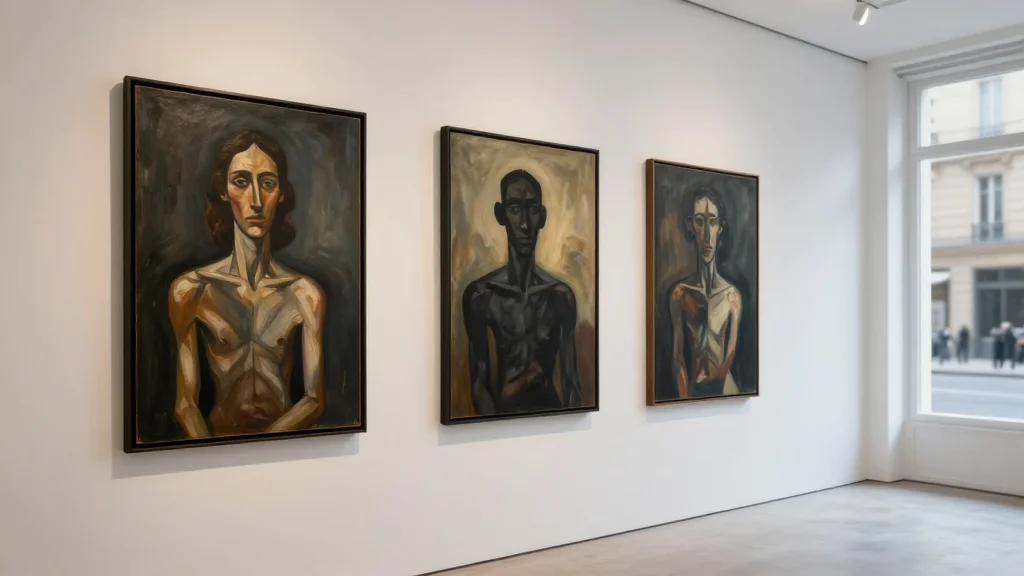
Gagosian Chooses Paris Location to Present Three Important Late Paintings by Francis Bacon
Companies Mentioned
Why It Matters
The show re‑positions Bacon’s late oeuvre within a market hungry for rare, high‑profile works, reinforcing Paris as a pivotal site in his artistic narrative. It also offers collectors and scholars fresh insight into the artist’s final creative phase.
Key Takeaways
- •Three late Bacon works debut at Gagosian Paris exhibition
- •Paintings span 1982-1990, reflecting artist's Paris influence
- •Exhibition located on Rue de Castiglione, near Place Vendôme
- •Works previously shown in Stuttgart, Pompidou, Documenta IX
- •Gagosian aims to highlight Bacon's French artistic ties
Pulse Analysis
Francis Bacon’s relationship with Paris extended beyond occasional visits; the city housed his studio on Rue de Birague and inspired some of his most visceral imagery. By situating the three late canvases in a gallery that overlooks historic arcades, Gagosian not only honors that personal history but also taps into the cultural cachet of Parisian art institutions that first celebrated Bacon in the 1970s. This contextual backdrop deepens viewers’ appreciation of the paintings’ emotional intensity and the city’s lingering influence on his visual language.
The three works on view each carry distinct provenance and thematic weight. *Study from the Human Body — Figure in Movement* (1982) revisits Bacon’s fascination with cricket, using a cadmium‑orange field to heighten kinetic tension. The 1986 *Study from the Human Body* expands the composition with a vivid yellow backdrop and a mirror that fragments the figure, a motif previously explored at the Pompidou’s 2019‑20 exhibition. *Man at a Washbasin* (1989‑1990) reinterprets a 1954 motif, borrowing from Muybridge’s boxing sequence to convey physical and psychological turmoil, echoing the tragic death of George Dyer. Their limited exhibition history—Stuttgart, Pompidou, Documenta IX—adds rarity value.
From a market perspective, presenting these rarely seen late pieces together creates a high‑impact moment for collectors and institutions. Gagosian’s strategic placement in a prime Paris location signals confidence in the continued demand for Bacon’s work, especially as auction houses report record‑breaking prices for his late period. The exhibition also enriches scholarly discourse by juxtaposing the paintings, inviting fresh analysis of Bacon’s evolving technique and his enduring dialogue with the French artistic milieu. This convergence of historical relevance, visual drama, and market momentum positions the show as a landmark event in the 2026 art calendar.
Gagosian chooses Paris location to present three important late paintings by Francis Bacon
Comments
Want to join the conversation?
Loading comments...