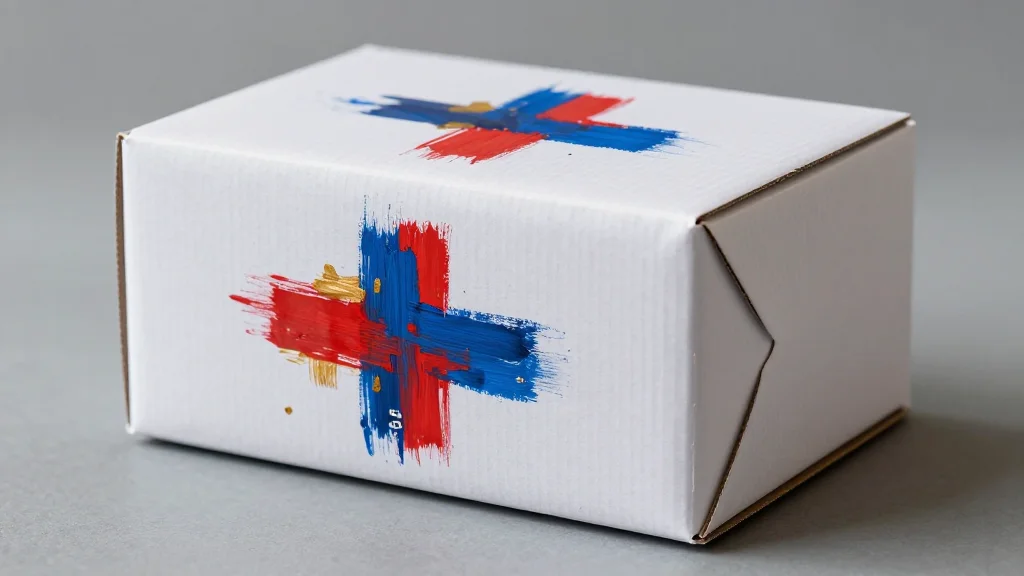
Gaza Artist Ahmed Muhanna Launches European Tour of Aid-Box Paintings

Companies Mentioned
Why It Matters
The exhibition illustrates how art can serve as a conduit for humanitarian storytelling, turning everyday relief items into powerful symbols of resilience. By placing these works in high‑profile European institutions, the project forces policymakers, donors and the broader public to confront the human cost of the Gaza conflict beyond headline numbers. Moreover, the partnership with the World Food Programme signals a new model for NGOs to amplify beneficiary voices, potentially reshaping aid communication strategies worldwide. If the tour garners sustained media attention and public engagement, it could pave the way for similar artist‑NGO collaborations in other conflict zones, expanding the role of cultural diplomacy in crisis response. Conversely, critics warn that such exhibitions risk commodifying trauma, highlighting the delicate balance between advocacy and exploitation that future projects must navigate.
Key Takeaways
- •Ahmed Muhanna’s aid‑box paintings debut at Paris' Arab World Institute
- •World Food Programme facilitated the extraction and transport of the artworks
- •Exhibition previously visited nine European cities in Sep‑Oct 2025
- •Tour will add stops in Berlin, Rome, Madrid and London
- •Artists use discarded relief supplies as canvas, merging humanitarian aid with visual art
Pulse Analysis
Muhanna’s European tour arrives at a moment when the art world is increasingly interrogating its role in conflict narratives. Historically, exhibitions from war‑torn regions—such as the 1990s Bosnian art shows—served as both documentation and protest. This project pushes that legacy forward by embedding the very materials of aid into the artwork, creating a meta‑commentary on dependency and agency. The partnership with WFP is particularly noteworthy; it signals a shift from traditional donor‑beneficiary dynamics toward a co‑creative model where beneficiaries shape the narrative directly.
From a market perspective, the tour could stimulate demand for works that blend activism with aesthetic innovation, prompting galleries to scout similar talent in other crisis zones. However, the risk of “artwashing”—where institutions showcase conflict‑related art without substantive policy impact—remains. The exhibition’s success will hinge on its ability to translate emotional resonance into concrete advocacy, perhaps through coordinated lobbying efforts alongside the cultural program.
Looking ahead, the model may inspire a new genre of “humanitarian art residencies,” where NGOs fund artists to produce site‑specific works that travel with the aid supply chain. If replicated, this could diversify funding streams for artists in conflict zones and embed cultural expression within the humanitarian sector’s core operations, reshaping how the global community perceives and responds to crises.
Gaza Artist Ahmed Muhanna Launches European Tour of Aid-Box Paintings
Comments
Want to join the conversation?
Loading comments...