German Pavilion’s Marble Mosaic and Patti Smith’s Sacred Performance Anchor 2026 Venice Biennale

Why It Matters
The German pavilion’s marble façade reframes a building designed by the National Socialists, turning a symbol of oppression into a platform for displaced labor histories. By foregrounding the lived experience of Vietnamese contract workers and East‑German artists, the exhibition challenges the traditional West‑centric narrative of post‑war reconstruction. Patti Smith’s performance, meanwhile, bridges centuries of sacred music with contemporary art, illustrating how sound can become a conduit for collective reflection. Together, these interventions illustrate a broader trend in the art world: moving beyond visual spectacle to incorporate architecture, history, and ritual soundscapes as tools for social critique. The Biennale’s emphasis on listening and embodied experience may influence other major exhibitions, prompting curators to prioritize multisensory engagement and to invite marginalized voices into national narratives. As museums and biennials grapple with calls for decolonization and inclusivity, the 2026 Venice Biennale offers a concrete model for integrating personal memory with institutional critique.
Key Takeaways
- •German pavilion’s façade covered with three million marble tiles sourced from a former East‑German housing block
- •Curator Kathleen Reinhardt emphasizes universal concerns beyond identity politics
- •Artist Sung Tieu states, “I’m literally rebuilding my home on top of the pavilion”
- •Patti Smith performs Hildegard of Bingen hymns in a half‑hour ritual at the Holy See pavilion
- •Biennale’s curatorial theme “In Minor Keys” encourages slower, more contemplative visitor experiences
Pulse Analysis
The 2026 Venice Biennale marks a decisive moment where architecture becomes a narrative device rather than a neutral backdrop. By allowing artists to physically alter the German pavilion’s fascist skin, the Biennale signals a willingness to confront institutional memory head‑on, a move that could inspire other national pavilions to re‑examine their own built legacies. This approach aligns with a growing appetite among collectors and institutions for art that not only visualizes history but also materially re‑writes it.
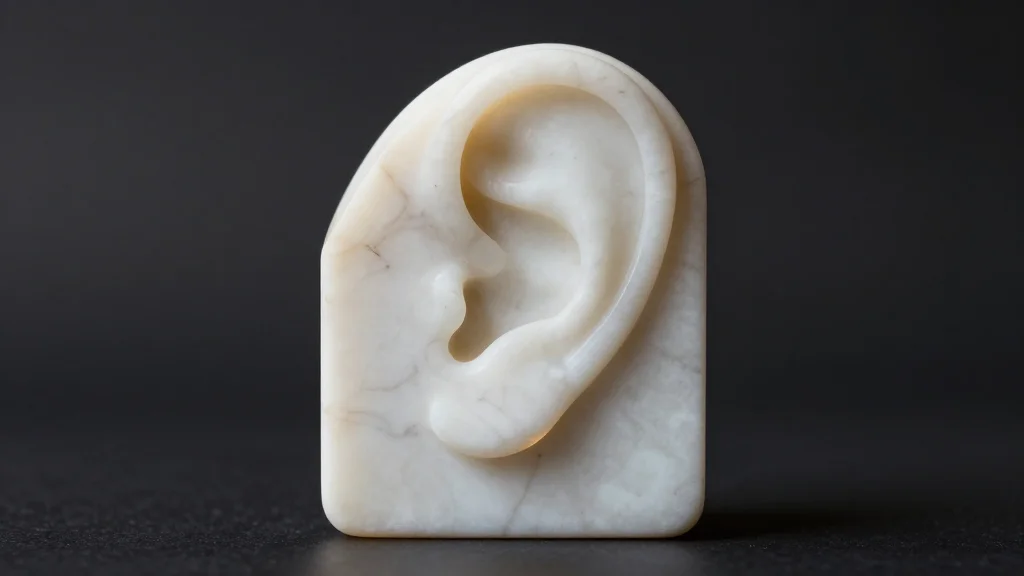
Simultaneously, the inclusion of a high‑profile musician like Patti Smith in a sacred, site‑specific performance underscores the expanding definition of what constitutes exhibition content. Sound, once peripheral, is now central to curatorial strategies that aim to engage audiences on a visceral level. The success of the Vatican’s “The Ear is the Eye of the Soul” suggests that future biennials may allocate more space and budget to commissioned sound works, blurring the line between concert and gallery.
Finally, the tension highlighted by Reinhardt—media’s focus on identity versus the artists’ broader concerns—reveals a persistent challenge for curators: balancing the market’s appetite for headline‑grabbing narratives with the deeper, often messier, social critiques embedded in the work. As the Biennale progresses, its ability to sustain nuanced dialogue without succumbing to reductive framing will be a litmus test for the art world’s capacity to handle complex histories in a globalized cultural arena.
German Pavilion’s Marble Mosaic and Patti Smith’s Sacred Performance Anchor 2026 Venice Biennale
Comments
Want to join the conversation?
Loading comments...