Goldfish on Cars and Ceramic Flowers: Artists Take over the Peninsula Hotel in Hong Kong
Why It Matters
The installations elevate Hong Kong’s luxury hospitality into a platform for contemporary art, attracting affluent tourists and reinforcing the city’s creative economy. Partnerships with institutions like the V&A amplify global visibility for local artists.
Key Takeaways
- •Angel Hui's goldfish piece references Hong Kong's Goldfish Market
- •Setyawan's ceramic installation uses 700 unglazed elements, travels to London
- •William Lim's tapestry blends architecture, design, and textile craft
- •Art in Resonance showcases works during Hong Kong Art Week
- •Collaboration links The Peninsula with V&A, boosting cultural tourism
Pulse Analysis
Luxury hotels are increasingly becoming canvases for high‑profile art, and The Peninsula Hong Kong’s Art in Resonance exemplifies this trend. Launched alongside Hong Kong Art Week, the program turns the historic hotel into a temporary gallery, drawing both affluent travelers and local art enthusiasts. By integrating installations into public spaces such as the lobby and café, the hotel not only enriches the guest experience but also positions itself as a cultural destination, a strategy that can boost occupancy rates and brand prestige in a competitive market.
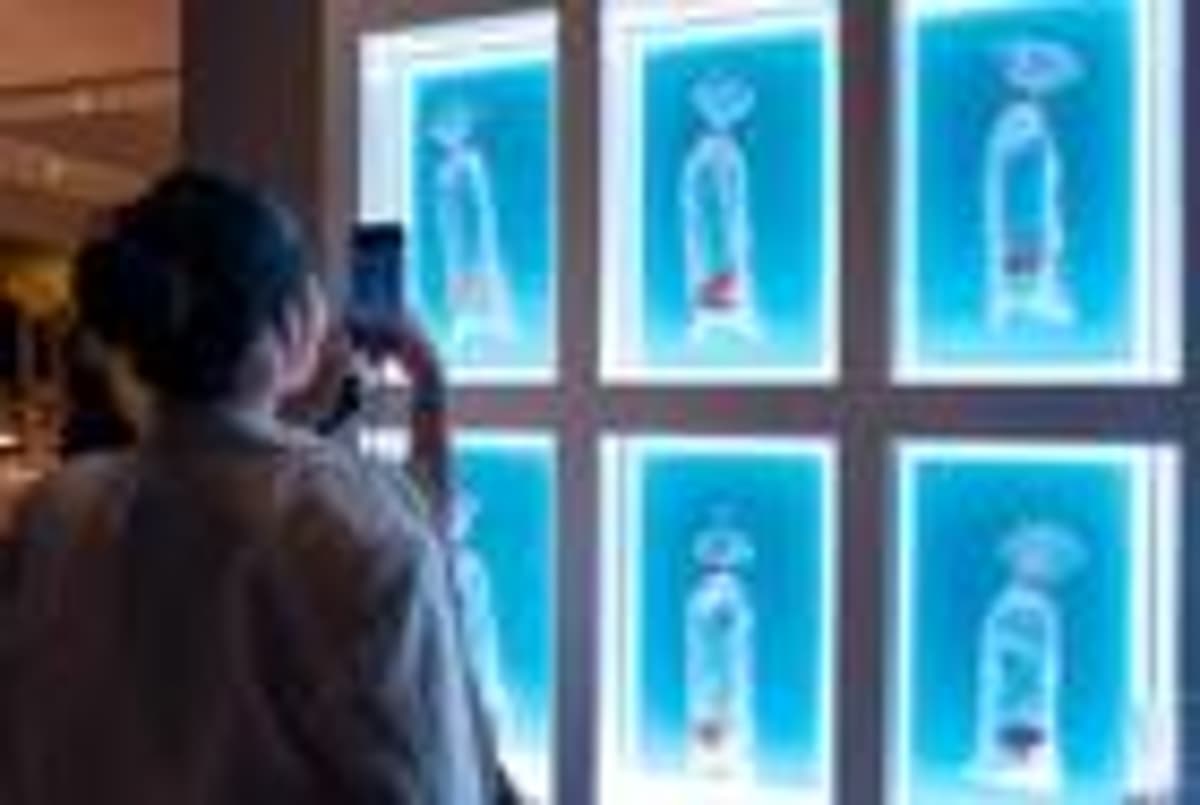
The three commissions each offer distinct narratives rooted in Hong Kong’s visual culture. Angel Hui’s "Swimming in Light" reimagines the ubiquitous goldfish bags of Mong Kok, embedding them on a Rolls‑Royce and the hotel façade, while also showcasing his representation of Hong Kong at the Venice Biennale. Albert Yonathan Setyawan’s "Metamorphic Modulation" employs 700 hand‑cast ceramic leaves and flowers, creating a meditative pattern that blurs craft and fine art; its upcoming relocation to the V&A in London underscores the work’s international relevance. William Lim’s "Walking on a Bright Future" translates a painting into a hand‑tufted tapestry, extending the visual motif onto the floor and reinforcing his multidisciplinary practice.
These installations illustrate how strategic art collaborations can drive cultural tourism and reinforce a city’s creative credentials. The partnership with the Victoria and Albert Museum not only provides a platform for the artists but also signals a cross‑continental exchange that benefits both institutions. As more luxury venues adopt similar programs, the convergence of hospitality, art, and tourism is set to become a key growth engine for Hong Kong’s economy, attracting high‑spending visitors seeking immersive cultural experiences.
Goldfish on cars and ceramic flowers: artists take over the Peninsula Hotel in Hong Kong
Comments
Want to join the conversation?
Loading comments...