
Why It Matters
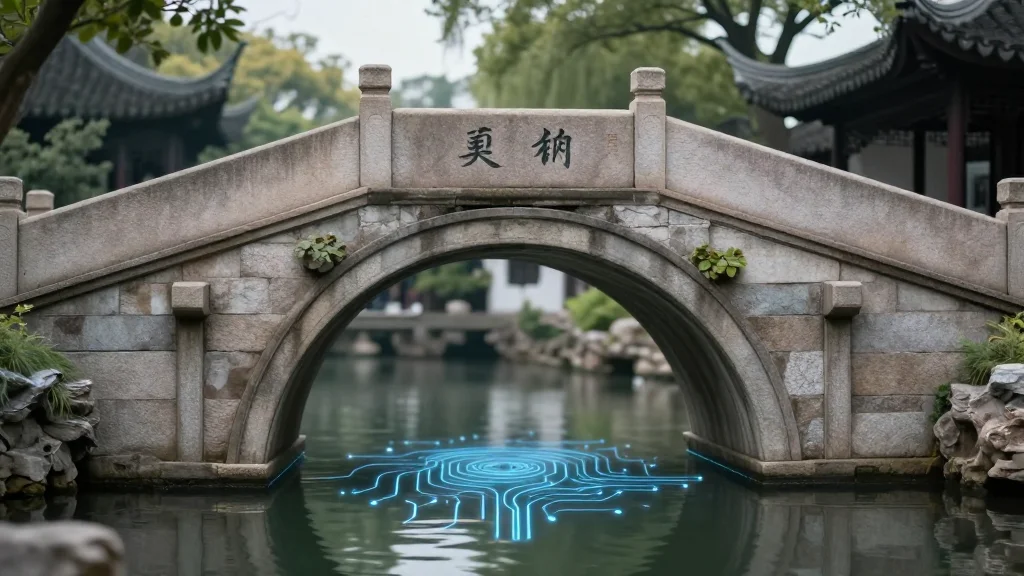
Good! Art Fair 2026 illustrates how Shanghai is leveraging its cultural heritage to attract a new generation of art consumers who value digital interactivity. By providing a platform where traditional crafts sit alongside immersive media, the fair helps diversify revenue streams for creators and signals to global collectors that the city is a fertile ground for innovative works. The event also contributes to the city’s broader strategy of using culture to drive tourism and economic growth. The fair’s emphasis on technology‑enabled experiences may influence how other Asian art fairs program their shows, potentially accelerating a regional shift toward hybrid exhibitions that blend physical and virtual elements. As Chinese artists continue to experiment with AI, VR and interactive installations, events like Good! Art Fair could become key venues for debuting breakthrough works that shape global artistic trends.
Key Takeaways
- •The 8th Good! Art Fair opened April 17 at Yuyuan Garden, Shanghai.
- •More than 100 exhibitions covering illustration, digital interaction, photography, ceramics and graphic design.
- •Interactive zone features performance art, video projection, simulation games and electronic music.
- •Art market booths sell a wide range of works, from hand‑crafted pottery to immersive digital pieces.
- •Fair underscores Shanghai’s ambition to become a leading hub for tech‑infused contemporary art.
Pulse Analysis
Good! Art Fair 2026 arrives at a moment when the global art market is recalibrating around digital experiences. While traditional auction houses still dominate high‑value sales, fairs that integrate technology are carving out a niche for younger collectors who prioritize experience over static objects. Shanghai’s decision to host the fair in a historic garden underscores a strategic juxtaposition: leveraging cultural authenticity while showcasing forward‑looking creativity.
Historically, Chinese art fairs have focused on market transactions, but the Good! Art Fair’s programming suggests a pivot toward education and engagement. By offering workshops and artist talks, the fair cultivates a community of practice that can sustain creative output beyond a single weekend. This model mirrors successful European festivals that blend commerce with cultural programming, hinting at a possible template for Chinese cities seeking to balance revenue generation with cultural stewardship.
Looking ahead, the fair’s success could prompt increased investment from tech firms eager to associate their brands with cutting‑edge art. Partnerships with hardware manufacturers, software platforms or even municipal smart‑city initiatives may emerge, further blurring the line between artistic expression and commercial technology. For artists, this environment offers both opportunity and pressure: the need to master new tools while preserving the distinctiveness of their cultural voice. The Good! Art Fair thus serves as a barometer for how Shanghai—and perhaps the broader Asian art ecosystem—will navigate the convergence of heritage, market forces and digital innovation.
Good! Art Fair 2026 Lights Up Shanghai with 100+ Exhibitions
Comments
Want to join the conversation?
Loading comments...