Guggenheim Announces 2026 Fellows, Highlighting Surge in Applications Amid Funding Cuts

Why It Matters
The 2026 Guggenheim Fellows represent a barometer for the health of the global arts ecosystem. A 50% surge in applications amid widespread budget cuts suggests that artists are seeking alternative sources of support to sustain their practice. By providing unrestricted stipends, the Guggenheim not only safeguards individual careers but also reinforces a model of artistic independence that could influence other institutions facing similar fiscal constraints. Furthermore, the cohort’s interdisciplinary composition signals a shift toward hybrid practices that blur the lines between art, science and technology. This trend may accelerate collaborations across museums, research labs and tech firms, reshaping how cultural value is generated and consumed in the digital age.
Key Takeaways
- •223 Guggenheim Fellows named for 2026 across 55 disciplines
- •Applications rose 50% year‑over‑year despite funding cuts
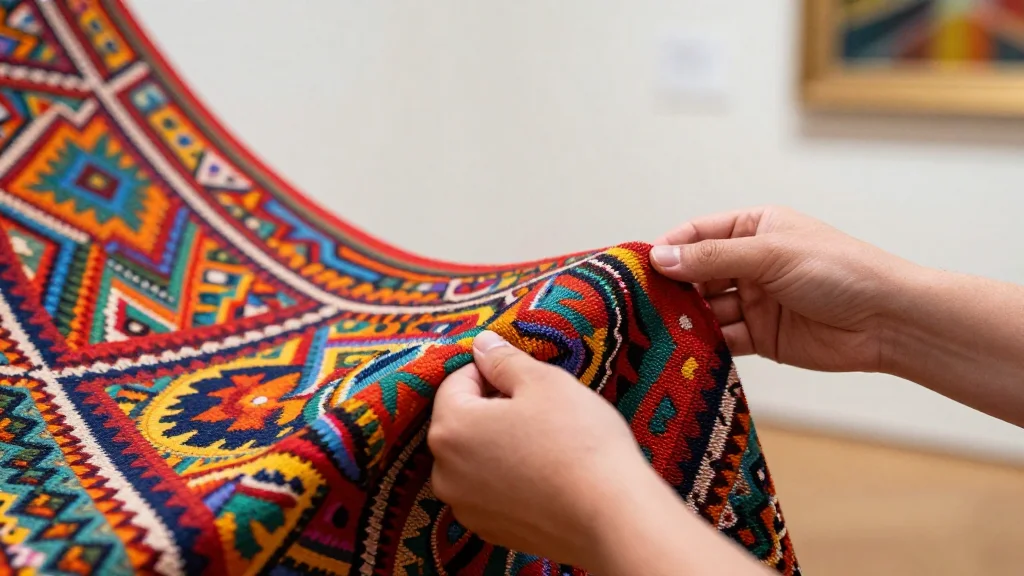
- •Fellows include textile artist Sonya Clark and interdisciplinary creator Allison Janae Hamilton
- •Stipends are unrestricted, allowing work in "the freest possible conditions"
- •The cohort reflects participants from 10 countries, with ~33% unaffiliated with universities
Pulse Analysis
The Guggenheim Fellowship’s 2026 cohort arrives at a pivotal moment for the cultural sector. Public arts funding in the United States and Europe has contracted sharply over the past two years, prompting institutions to rethink how they sustain talent. The Guggenheim’s decision to maintain, and even expand, its stipend program signals confidence in the market’s ability to absorb and showcase independent work. Historically, fellows have leveraged the grant to produce breakthrough projects that later attract museum acquisitions and major exhibitions—outcomes that reinforce the foundation’s reputation as a talent incubator.
From a strategic perspective, the surge in applications reflects a broader recalibration among artists who are increasingly entrepreneurial, seeking grant money, crowdfunding and private patronage to fill the void left by shrinking government support. The Guggenheim’s emphasis on interdisciplinary fellows aligns with a market trend where museums are curating exhibitions that intersect art, data science, and environmental research. This cross‑pollination not only diversifies audiences but also opens new revenue streams through partnerships with tech firms and scientific institutions.
Looking forward, the fellowship’s impact will likely be measured by the visibility of its recipients in upcoming major shows—such as the 2027 Venice Biennale and the 2028 Los Angeles County Museum of Art’s centennial program. If fellows can translate the financial freedom into high‑profile projects, the Guggenheim model may inspire similar unrestricted grant programs at other legacy institutions, potentially reshaping the funding architecture of contemporary art for the next decade.
Guggenheim Announces 2026 Fellows, Highlighting Surge in Applications Amid Funding Cuts
Comments
Want to join the conversation?
Loading comments...