Hannah Wilke and Francesca Woodman: Feminist Powerhouses of the Late 20th Century
Companies Mentioned
Why It Matters
Wilke and Woodman reshaped photography into a feminist medium, proving that personal trauma and bodily politics can drive artistic innovation, which reverberates across today’s art market and gender discourse.
Key Takeaways
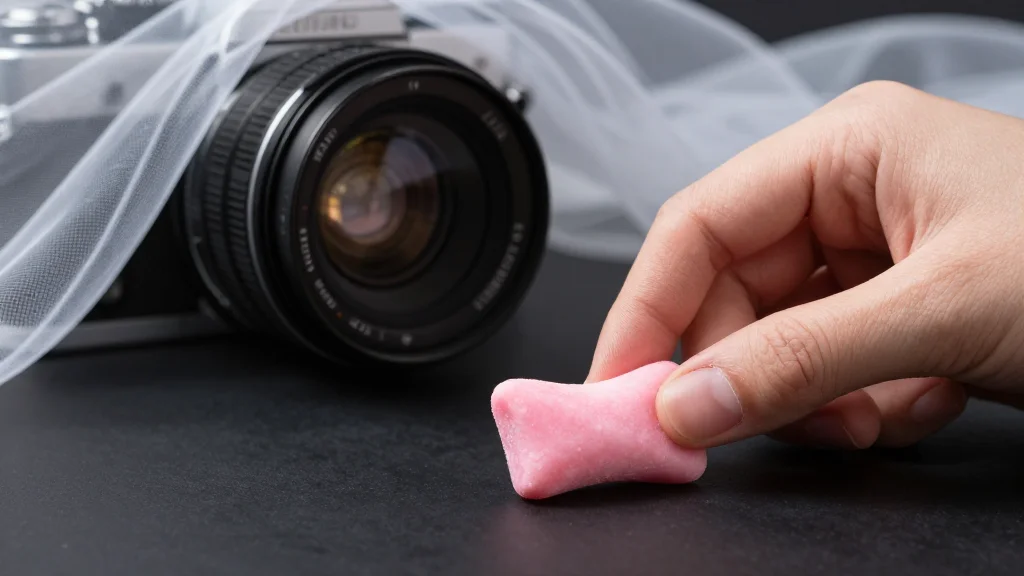
- •Hannah Wilke’s S.O.S. series used chewing‑gum to critique female objectification
- •Wilke’s later Intra‑Venus work documented chemotherapy’s impact on the body
- •Francesca Woodman’s Gagosian Rome show features 50 rarely seen surreal photographs
- •Woodman’s use of fabric and decay creates haunting, gender‑focused visual narratives
Pulse Analysis
The late‑1970s marked a turning point for photography as feminist activists seized the camera to interrogate power structures. Hannah Wilke’s S.O.S. (Starification Object Series) turned everyday chewing gum into labia‑shaped prosthetics, a visceral metaphor for the commodification of the American woman. By positioning herself nude and manipulating the gum on her skin, Wilke forced viewers to confront the tension between sensuality and objectification. Her later Intra‑Venus photographs, created during a bout of chemotherapy, stripped away glamour entirely, presenting a raw, clinical portrait of illness that expanded the medium’s emotional range.
Francesca Woodman, though active for only a few years before her untimely death, left an indelible mark through ethereal self‑portraits that blend surrealism with intimate domestic spaces. The upcoming Gagosian exhibition in Rome, titled *Lately I Find a Sliver of Mirror Is Simply to Slice an Eyelid*, assembles nearly fifty previously unseen prints, revealing Woodman’s fascination with fragmented bodies, reflective surfaces, and the interplay of light and shadow. Her use of dilapidated architecture, hanging fabrics, and natural foliage creates a liminal zone where identity dissolves, inviting viewers to contemplate the fragile boundaries between presence and absence.
Together, Wilke and Woodman redefined photography as a platform for feminist critique and personal narrative, influencing a new wave of artists who merge performance, body politics, and conceptual rigor. Their works now command high prices at auction houses and are core to museum collections, underscoring the market’s recognition of socially engaged art. Academic programs in gender studies and visual culture cite their pieces as seminal case studies, while contemporary photographers cite their daring material choices as a blueprint for challenging the male gaze. The enduring relevance of their oeuvre demonstrates how 20th‑century feminist photography continues to shape cultural conversations today.
Hannah Wilke and Francesca Woodman: Feminist Powerhouses of the Late 20th Century
Comments
Want to join the conversation?
Loading comments...