
Why It Matters
‘Henry Moore and More’ demonstrates how historic art can be re‑contextualized to address contemporary issues, particularly environmental stewardship. By placing new commissions alongside Moore’s celebrated sculptures, the exhibition creates a platform for dialogue that extends beyond aesthetics to include ecological responsibility, a growing priority for cultural institutions. The dual‑venue approach, linking Wakehurst with Kew Gardens, amplifies the reach of this conversation, drawing diverse audiences into a shared experience of art in nature. This model may inspire other museums and estates to pair legacy collections with contemporary interventions, fostering relevance and public engagement in an era where cultural relevance is increasingly measured by social impact.
Key Takeaways
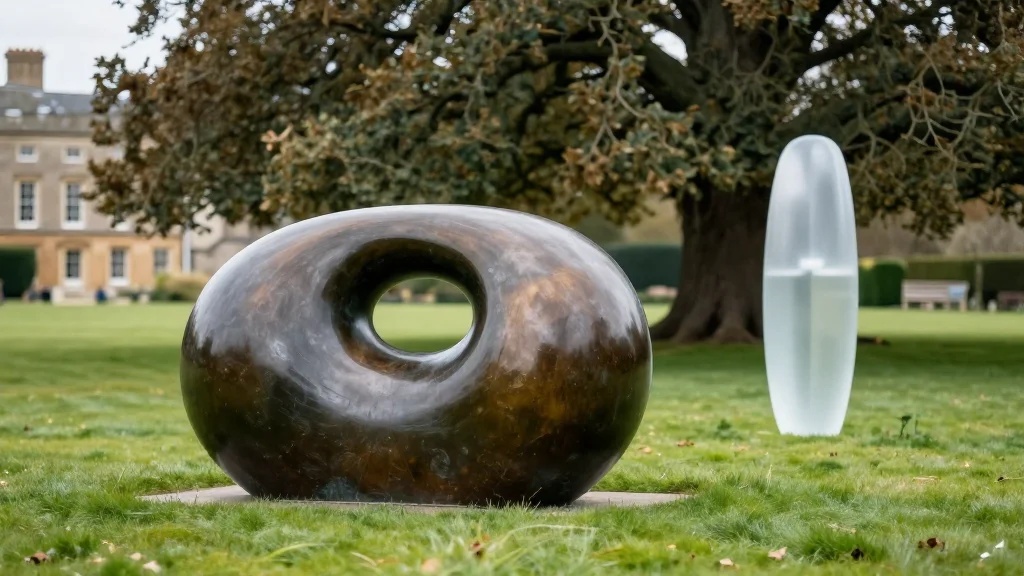
- •Four iconic Henry Moore sculptures displayed at Wakehurst Gardens
- •New commissions from contemporary artists installed alongside Moore’s works
- •Curated with the Henry Moore Institute to explore art‑nature dialogue
- •Parallel exhibition at Kew Gardens showcases the largest outdoor Moore display
- •Program includes talks and tours focused on conservation and artistic legacy
Pulse Analysis
The decision to pair Henry Moore’s canonical sculptures with contemporary commissions reflects a broader trend in the art world: leveraging legacy collections to amplify current social narratives. Institutions are recognizing that historic works can serve as anchors for new conversations, especially around climate change and biodiversity. By situating new, environmentally‑focused pieces in direct conversation with Moore’s abstracted forms, Wakehurst is not only honoring the sculptor’s legacy but also re‑defining it for a generation that expects museums to address urgent global challenges.
From a market perspective, this exhibition could boost demand for contemporary artists who engage with ecological themes, signaling to collectors and galleries that sustainability‑driven practice holds commercial and critical weight. Moreover, the partnership with the Henry Moore Institute adds scholarly credibility, positioning the show as both a curatorial experiment and a research‑backed exploration of art’s role in environmental discourse.
Looking ahead, the success of ‘Henry Moore and More’ may encourage other heritage sites to adopt similar collaborative models, pairing historic works with site‑specific contemporary interventions. Such collaborations can revitalize visitor numbers, attract media attention, and deepen community engagement, ultimately reinforcing the relevance of both historic and emerging artists in the public sphere.
‘Henry Moore and More’ Brings New Commissions to Wakehurst Gardens
Comments
Want to join the conversation?
Loading comments...