Here’s Why the Venice Biennale Main Show Lost One Artist During the Planning Stages
Why It Matters
The removal of Kingelez highlights logistical and ethical challenges of featuring posthumous artists, influencing curatorial practices and the art market’s valuation of legacy works.
Key Takeaways
- •Biennale main show now lists 110 artists, down from 111.
- •Bodys Isek Kingelez was removed due to unavailable works.
- •Curators kept several deceased artists, preserving historical depth.
- •Koyo Kouoh’s vision continued by five appointed advisers.
- •Kingelez’s pieces remain in major museums like MoMA and Tate.
Pulse Analysis
The 2026 Venice Biennale, curated by the late Koyo Kouoh, opened under the title “In Minor Keys,” featuring a roster of 110 artists from around the globe. The exhibition, originally announced with 111 participants, showcases a blend of living creators and a select group of posthumous figures, including Marcel Duchamp and Issa Samb. Kouoh’s curatorial approach emphasized dialogue between contemporary practice and historical legacy, a strategy that has become a hallmark of recent Biennale editions. After her untimely death in 2025, five trusted advisers were appointed to carry forward her vision.
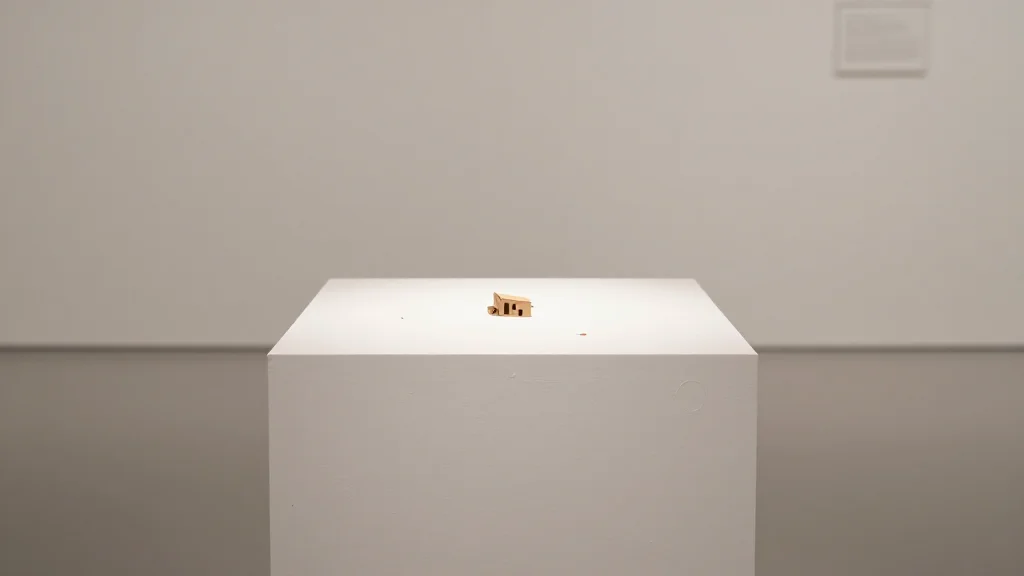
Among the omitted names was Congolese visionary Bodys Isek Kingelez, whose vibrant cardboard cityscapes have earned a place in institutions such as MoMA and the Tate. Biennale officials cited the unavailability of his works as the reason for his removal, highlighting the logistical challenges of borrowing large, site‑specific sculptures for an international exhibition. Kingelez’s absence underscores a broader issue: the difficulty of securing posthumous pieces that require extensive conservation or reconstruction, especially when the artist’s estate imposes restrictions.
The decision reverberates beyond the Biennale’s walls, signaling to curators worldwide the importance of early provenance checks and contingency planning for deceased artists. While the inclusion of dead creators adds scholarly weight, it also raises questions about authenticity and the ethics of presenting works without the artist’s direct input. For the art market, the spotlight on Kingelez may boost demand for his remaining pieces, reinforcing the commercial value of historically significant yet under‑exhibited creators. Ultimately, “In Minor Keys” illustrates how curatorial ambition must balance artistic vision with practical realities.
Here’s Why the Venice Biennale Main Show Lost One Artist During the Planning Stages
Comments
Want to join the conversation?
Loading comments...