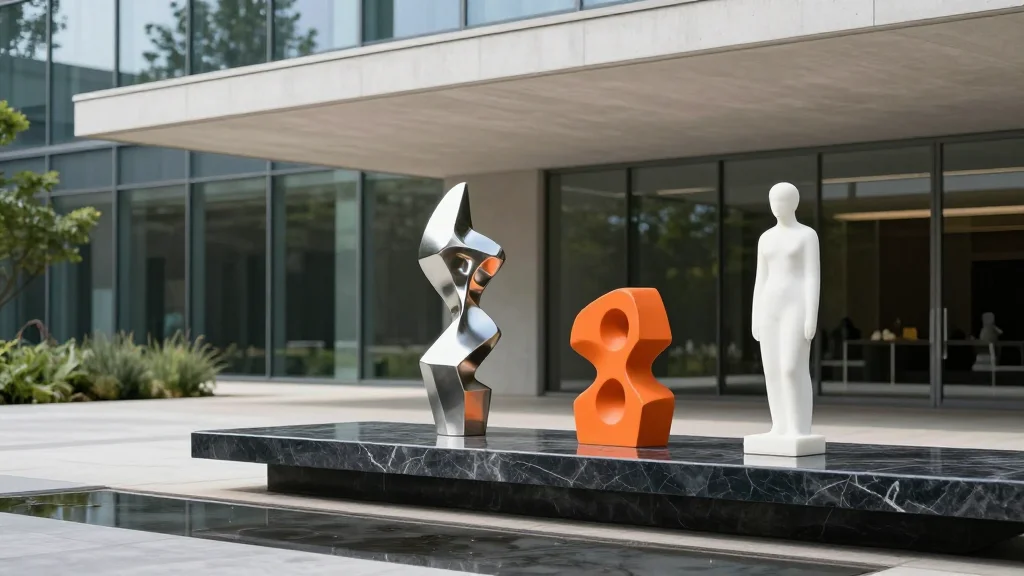
Hirshhorn Museum Unveils Revamped Sculpture Garden with Eight New Works

Why It Matters
The garden’s transformation expands the Hirshhorn’s public footprint, making contemporary sculpture more accessible to a diverse, everyday audience that might not enter the museum’s galleries. By integrating works that address cultural history, technology and community narratives, the museum positions itself at the forefront of a broader museum‑sector trend toward inclusive, outdoor programming. Moreover, the project underscores how legacy institutions can leverage architectural interventions to reconcile historic design intent with modern visitor needs. The blend of shade, seating and varied sculpture typologies creates a multifunctional environment that can host performances, educational events and informal social interaction, thereby redefining the role of sculpture gardens as active civic spaces rather than static display zones.
Key Takeaways
- •Hirshhorn Museum’s 1.4‑acre garden reopens this autumn with eight new sculptures.
- •Acquisitions include works by Mark Grotjahn, Lauren Halsey, Raven Halfmoon and Woody De Othello.
- •Architect‑artist Hiroshi Sugimoto leads the garden’s redesign, adding shade and seating.
- •Original 1974 design by Gordon Bunshaft was deemed too severe and hot for visitors.
- •Director Melissa Chiu emphasizes the museum’s shift to a modern and contemporary collection.
Pulse Analysis
The Hirshhorn’s garden overhaul reflects a strategic pivot that many major museums are making: turning outdoor spaces into year‑round cultural hubs. Historically, sculpture gardens served as ornamental extensions of a museum’s collection, often limited to a handful of canonical works. Today, institutions are re‑programming these sites to host large‑scale, socially resonant pieces that can engage passersby without a ticket. By commissioning works that reference community histories, such as Lauren Halsey’s column referencing South Central Los Angeles, the Hirshhorn aligns itself with a growing demand for art that speaks to broader societal narratives.
From a curatorial perspective, the inclusion of both established figures like Mark Grotjahn and emerging voices like Raven Halfmoon signals an intent to balance marketable name recognition with fresh, experimental practices. This duality helps the museum attract donors and media attention while also fulfilling its public‑service mandate. Sugimoto’s involvement adds another layer of prestige; his reputation as a photographer‑architect bridges the visual and spatial disciplines, reinforcing the garden’s role as a site where architecture and sculpture co‑create meaning.
Looking ahead, the garden’s success will likely be measured by foot traffic, visitor dwell time and the ability to host interdisciplinary events. If the Hirshhorn can demonstrate that the garden draws new demographics and sustains engagement beyond the traditional museum season, it may set a template for other institutions grappling with aging outdoor spaces. The project also raises questions about funding models for such large‑scale public art initiatives, especially as museums navigate fluctuating donor landscapes post‑pandemic. Ultimately, the Hirshhorn’s gamble on a more inclusive, experiential garden could redefine how public art is curated, funded and experienced in the United States.
Hirshhorn Museum Unveils Revamped Sculpture Garden with Eight New Works
Comments
Want to join the conversation?
Loading comments...