History of Violence Review: Exploring Memory, Trauma and the Nature of Truth at Adelaide Festival
•March 7, 2026
0
Why It Matters
The staging pushes theatrical boundaries on representing sexual violence, influencing how festivals program socially urgent works. Its innovative use of multimedia sets a benchmark for immersive, truth‑seeking performance art.
Key Takeaways
- •Ostermeier adapts Louis' novel for Adelaide Festival
- •Live camera feed fragments narrative, showing multiple perspectives
- •Explores trauma, memory, class, and truth through theatre
- •Graphic staging confronts audience with sexual violence
- •Praised for choreography, sound design, and nuanced performances
Pulse Analysis
Thomas Ostermeier’s rendition of Édouard Louis’s second autobiographical novel arrived as a centerpiece of the 2026 Adelaide Festival, signaling the event’s commitment to provocative, contemporary theatre. By transplanting the Berlin‑premiered work to the Dunstan Playhouse, the production bridges European avant‑garde sensibilities with Australian audiences, inviting a cross‑cultural dialogue on violence and identity. Ostermeier, known for his rigorous text‑driven direction, preserves the novel’s raw honesty while reshaping its structure for the stage, offering a fresh lens on a story that has already sparked literary debate.
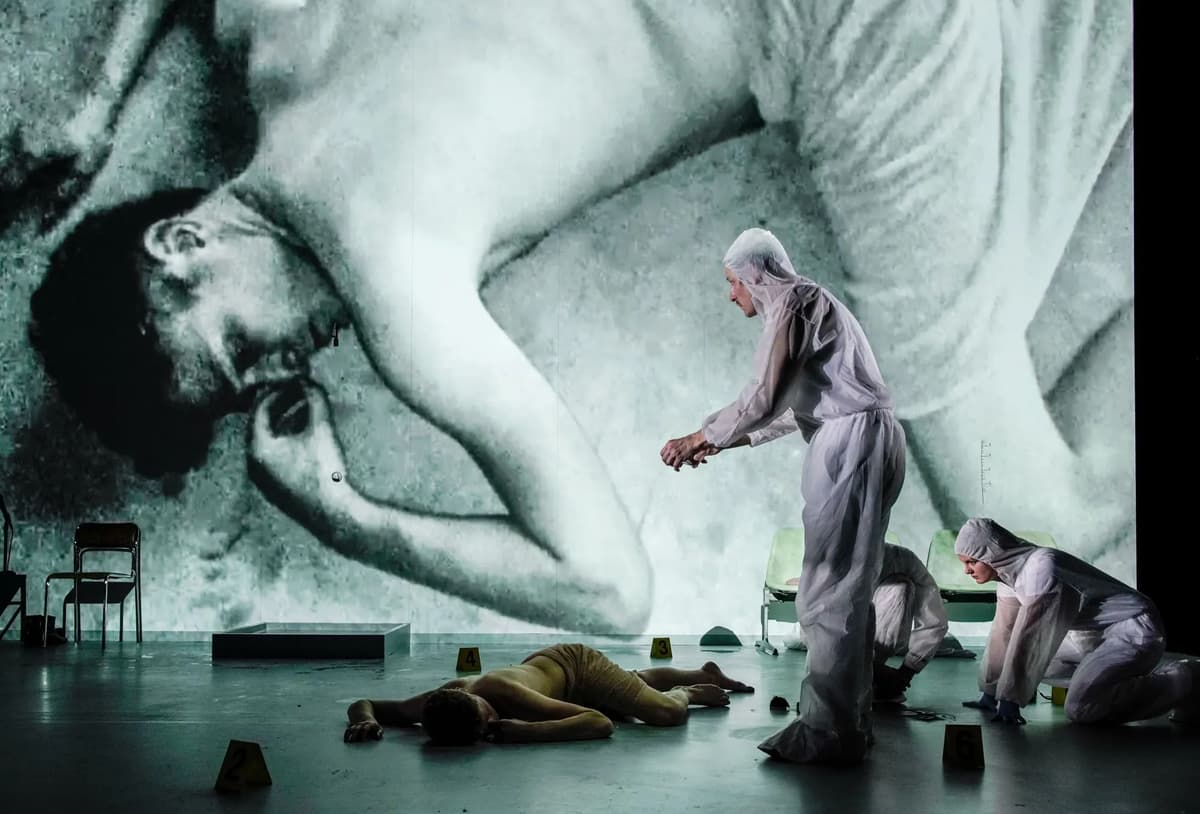
The staging’s most striking element is its live‑camera apparatus, which captures actors in real time and projects stark black‑and‑white footage onto a rear screen. This technique fragments the narrative, mirroring the protagonist’s shattered recollection and the bureaucratic distortion of his testimony. Coupled with Thomas Witte’s percussive‑keyboard score, the audiovisual collage creates a sensory pressure that forces the audience to confront multiple versions of truth simultaneously. The choreography, especially during the assault’s climactic reenactment, blends precise movement with visceral stagecraft, heightening the emotional stakes without resorting to gratuitous sensationalism.
Beyond its artistic merits, History of Violence raises critical questions about how theatre can responsibly depict sexual assault. Its unflinching graphic moments, balanced by thoughtful staging, provide a template for future productions seeking authenticity without exploitation. The piece also underscores the growing demand for works that interrogate power structures, racism, and class through personal trauma. As festivals worldwide look to attract socially engaged audiences, Ostermeier’s approach may influence programming decisions, encouraging more immersive, truth‑seeking narratives on the global stage.
History of Violence review: exploring memory, trauma and the nature of truth at Adelaide Festival
0
Comments
Want to join the conversation?
Loading comments...