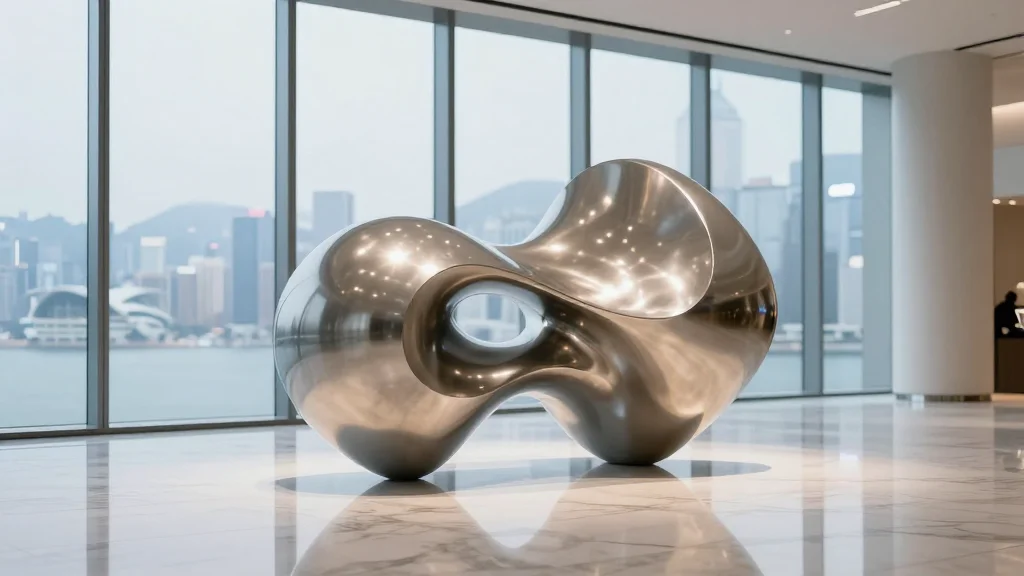
Hong Kong Secures Five-Year Deal with Art Basel, Expanding Global Fair Footprint

Why It Matters
The five‑year Art Basel deal positions Hong Kong at the forefront of the global art fair circuit, offering a platform for Asian artists to reach a worldwide audience while reinforcing the city’s soft‑power credentials. In an era where geopolitical tensions can restrict traditional diplomatic channels, cultural partnerships like this provide an alternative conduit for dialogue and mutual understanding. Moreover, the agreement could stimulate significant economic activity. Art fairs generate ancillary revenue through hospitality, tourism, and ancillary services, and a deeper Art Basel presence is likely to amplify these spill‑over effects. For local galleries and emerging artists, the partnership promises greater exposure, potential sales, and access to a network of international curators and collectors.
Key Takeaways
- •Hong Kong’s Culture, Sports and Tourism Bureau to sign a five‑year partnership with Art Basel by end‑March 2026.
- •First collaboration between the bureau and the premier contemporary art fair, extending the existing Hong Kong edition that began in 2013.
- •Secretary Rosanna Law highlighted culture’s diplomatic role amid growing geopolitical complexity.
- •12 additional agreements with global cultural institutions were signed at the International Cultural Summit, bringing total deals to 46.
- •The partnership aims to boost sales, attract international galleries, and support local artists through curated programs and residencies.
Pulse Analysis
Hong Kong’s new Art Basel pact reflects a strategic pivot toward cultural diplomacy as a means of sustaining its global relevance. Historically, the city leveraged its financial clout to attract high‑profile events, but the current geopolitical climate demands a softer, more inclusive approach. By aligning with Art Basel, Hong Kong taps into a brand that commands trust among collectors and institutions worldwide, effectively insulating its art market from regional uncertainties.
The deal also signals a shift in how Asian cities compete for cultural capital. While Singapore and Shanghai have pursued large‑scale museum projects, Hong Kong is opting for a partnership model that leverages existing infrastructure and brand equity. This could set a precedent for other municipalities seeking cost‑effective ways to elevate their cultural profiles without the massive capital outlays required for new museum constructions.
Looking ahead, the success of the collaboration will hinge on execution. If Hong Kong can deliver innovative programming that resonates with both local audiences and the global art community, it may solidify its role as a neutral cultural hub. Conversely, any missteps—such as perceived political interference or logistical shortcomings—could undermine the partnership’s credibility. The next signing ceremony will therefore be a litmus test for Hong Kong’s ability to balance commercial ambition with cultural integrity.
Hong Kong Secures Five-Year Deal with Art Basel, Expanding Global Fair Footprint
Comments
Want to join the conversation?
Loading comments...