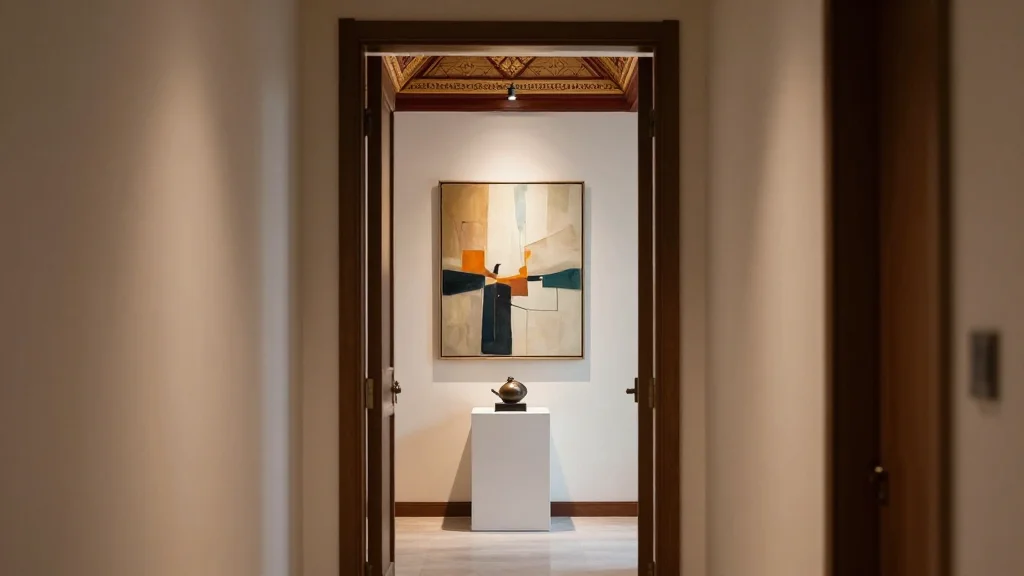
Hotel Art Fair 2026 Turns Bangkok Hotel Rooms Into Immersive Art Worlds

Why It Matters
The Hotel Art Fair’s room‑by‑room format challenges the dominance of large, impersonal exhibition halls, offering a scalable model that aligns with post‑COVID hospitality strategies. By embedding art in everyday environments, the fair democratizes access, potentially attracting new collector demographics and encouraging hotels to view cultural programming as a revenue‑generating asset. Moreover, the emphasis on imagination and personal narrative resonates with a generation fatigued by hyper‑digital, efficiency‑driven experiences, positioning immersive, intimate art experiences as a counter‑trend in the global art market. If successful, the model could inspire similar collaborations in other cities, reshaping how fairs are organized, how galleries allocate budgets, and how artists conceive site‑specific work. The convergence of hospitality and art may also spur policy discussions around cultural tourism, tax incentives for hotels hosting art events, and the preservation of creative spaces within commercial real estate.
Key Takeaways
- •Hotel Art Fair 2026 occupies two floors of a Bangkok hotel, converting 36 rooms into galleries.
- •More than 100 artists from Asia and Europe are represented across 36 rooms.
- •The fair’s theme, REM – Return to the Imaginative, emphasizes fantasy and open interpretation.
- •Thanachai "Pod" Ujjin presents his first solo Hotel Art Fair exhibition, focusing on abstract portraiture as therapy.
- •Saturday Painters collective showcases 26 artists across two rooms, promoting creative inclusivity.
Pulse Analysis
Hotel Art Fair 2026 illustrates a broader pivot in the art ecosystem toward experiential, location‑specific programming. Traditional fairs have long relied on massive, purpose‑built venues that prioritize scale over intimacy. By leveraging existing hotel infrastructure, the fair reduces overhead, sidesteps the logistical bottlenecks of constructing temporary walls, and taps into a built‑in audience of travelers. This hybrid model aligns with the hospitality industry's post‑pandemic need for differentiated experiences that can command premium rates.
From a market perspective, the fair’s success could recalibrate how galleries allocate exhibition budgets. Instead of investing heavily in booth construction and shipping large installations, galleries can experiment with smaller, site‑specific works that engage directly with the lived environment of a hotel room. This shift may lower entry barriers for emerging galleries and artists, fostering a more diverse roster of participants and potentially expanding the collector base to include tourists and casual visitors who might not attend a conventional fair.
Looking ahead, the model’s scalability hinges on replicability across different hotel categories and geographic markets. Luxury hotels may offer higher‑end audiences, while boutique properties could provide more experimental spaces. The integration of digital overlays—augmented reality tours, QR‑linked artist statements—could further enhance the immersive quality without inflating costs. If the Hotel Art Fair continues to attract international galleries and media attention, it may catalyze a new sub‑segment of ‘hospitality‑art partnerships,’ reshaping both the cultural tourism landscape and the economics of contemporary art exhibitions.
Hotel Art Fair 2026 Turns Bangkok Hotel Rooms into Immersive Art Worlds
Comments
Want to join the conversation?
Loading comments...