How an Overlooked Printmaker Became a Hero of Mexican Cultural Identity
Why It Matters
Posada’s imagery defines the visual language of Mexicanidad, influencing art, tourism, and global branding, making his legacy a powerful economic and cultural asset.
Key Takeaways
- •Posada’s calaveras symbolize Mexicanidad, rejecting colonial influences.
- •Prints popularized Día de los Muertos imagery worldwide.
- •Photomechanical techniques enabled mass‑production of affordable art.
- •Rivera’s mural cemented Posada’s legacy in Mexican history.
- •Modern brands leverage skeletal motifs for cultural resonance.
Pulse Analysis
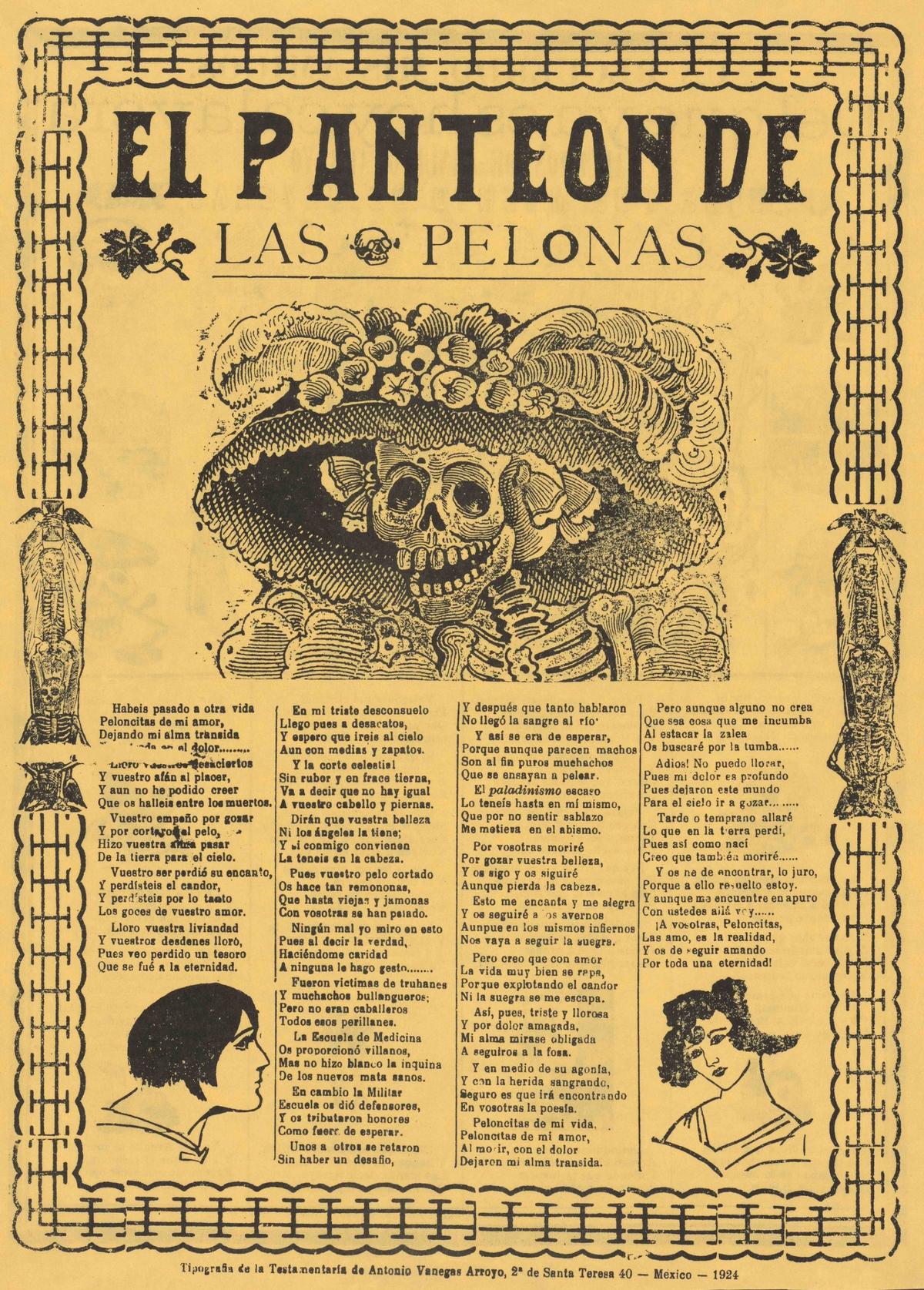
Born in Aguascalientes in 1852, José Guadalupe Posada entered the burgeoning world of Mexican lithography at a time when cheap broadsides and pamphlets were the primary visual news source for the working class. Employed by publisher Antonio Vanegas Arroyo, Posada turned the workshop’s demand for sensational stories into a distinctive visual language built around skeletal figures—calaveras—that mocked authority, narrated folk legends, and celebrated everyday rituals. These prints, ranging from vivid reds to deep purples, circulated widely, embedding the macabre yet playful iconography into the collective imagination and laying the groundwork for a uniquely Mexican visual identity.
Posada’s artistic efficiency stemmed from early adoption of photomechanical processes. By transferring hand‑drawn designs onto light‑sensitive gelatin plates, he could etch zinc blocks with acid, producing relief prints far faster than traditional woodcut carving. This hybrid method preserved the raw, imperfect aesthetic—cracked plates, ink blots, mismatched type—that audiences associated with authenticity, even as it relied on industrial technology. The resulting imagery caught the attention of mural giants such as Diego Rivera, José Clemente Orozco, and David Alfaro Siqueiros, who later elevated Posada’s motifs to national symbols within monumental frescoes, cementing his posthumous reputation.
Today, Posada’s skeletal icons are omnipresent, from Day of the Dead celebrations to global fashion collaborations and advertising campaigns that seek cultural cachet. Scholars view his work as a visual manifesto of Mexicanidad, a counter‑narrative that rejects colonial aesthetics while affirming indigenous roots. Brands leverage the instantly recognizable calaveras to evoke authenticity and emotional resonance, especially in markets targeting Hispanic consumers. As museums and digital archives digitize his prints, Posada’s legacy continues to inform contemporary discourse on popular art, mass media, and the power of imagery to shape national identity.
How an Overlooked Printmaker Became a Hero of Mexican Cultural Identity
Comments
Want to join the conversation?
Loading comments...