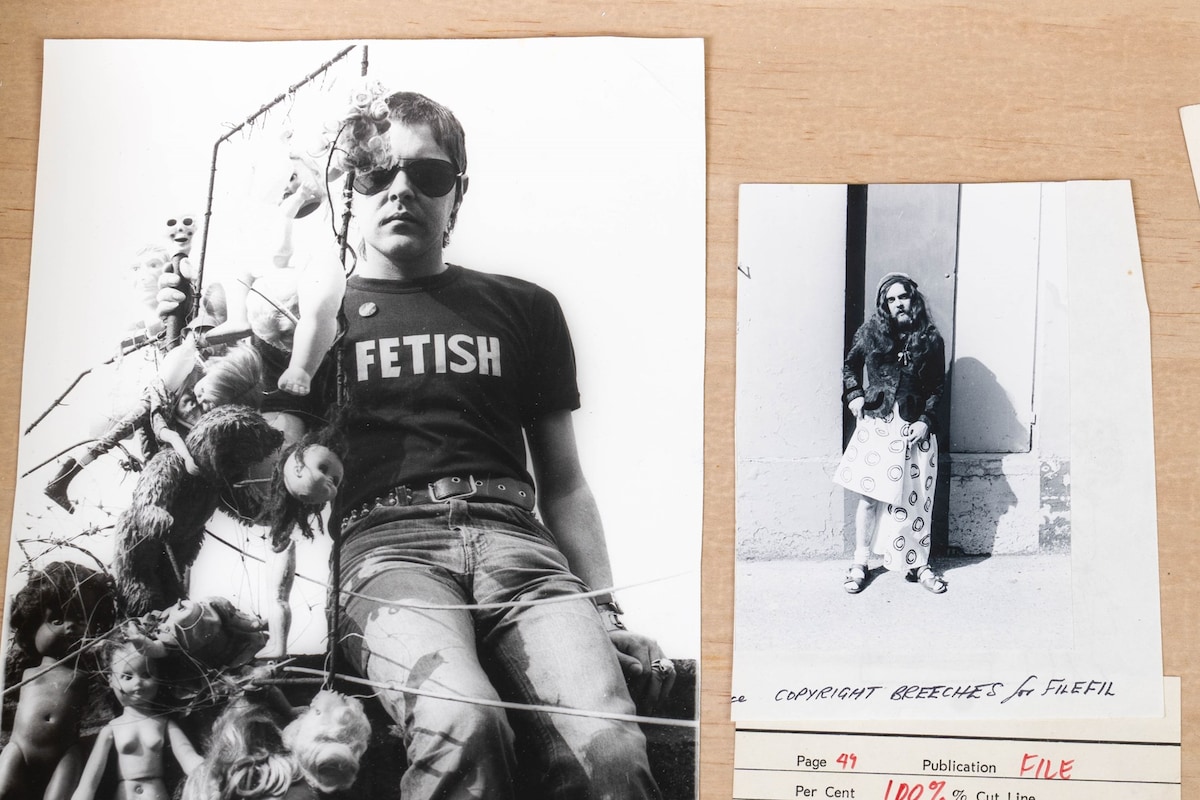
How Genesis P-Orridge Turned the Post Into Protest
Why It Matters
By turning ordinary mail into a vehicle for protest, P‑Orridge demonstrated how low‑cost, decentralized media can amplify activist messages, a lesson that resonates with modern digital campaigns. The approach reshapes how institutions value and exhibit politically charged art.
Key Takeaways
- •1974 envelope used armillary sphere stamps to critique global infantilism
- •P‑Orridge repurposed mail art as a tool for political dissent
- •The project links early avant‑garde tactics to digital activism today
- •Exhibitions highlight how correspondence can blur boundaries between art and protest
- •Genesis P‑Orridge’s legacy influences contemporary artists exploring networked resistance
Pulse Analysis
Mail art emerged in the 1960s as a democratic alternative to gallery walls, allowing artists to bypass traditional gatekeepers by sending work through the postal system. Genesis P‑Orridge’s 1974 envelope, emblazoned with an armillary sphere and the slogan “Global Infantilism,” exemplifies this ethos, turning a mundane parcel into a subversive critique of consumer culture and geopolitical infantilism. By embedding political commentary in a format designed for mass distribution, P‑Orridge leveraged the very infrastructure of communication to disseminate dissent, foreshadowing the viral tactics of later activist movements.
The relevance of P‑Orridge’s mail‑art protest extends beyond its historical moment, informing contemporary practices that blend analog and digital tactics. Today's artists and activists harness social media, encrypted messaging, and even blockchain to replicate the low‑cost, network‑based diffusion pioneered by mail art. Exhibitions featuring the original correspondence illustrate how physical artifacts can inspire digital reinterpretations, reinforcing the idea that the medium itself becomes a message. This continuity underscores a broader shift toward decentralized, participatory forms of cultural resistance that challenge institutional narratives.
Institutionally, the resurgence of interest in P‑Orridge’s work signals a reassessment of protest art’s market value and curatorial significance. Museums and galleries are increasingly framing mail‑art pieces as precursors to modern activism, attracting collectors who seek both aesthetic and sociopolitical relevance. As the art market embraces such historically rooted, activist‑oriented works, curators must balance preservation with the original intent of disruption. P‑Orridge’s legacy thus offers a blueprint for leveraging everyday channels to amplify dissent while navigating the commercial realities of the contemporary art world.
How Genesis P-Orridge Turned the Post into Protest
Comments
Want to join the conversation?
Loading comments...