How Pussy Riot Is Challenging Russia’s Return to the Venice Biennale
Why It Matters
The dispute tests the Biennale’s commitment to artistic freedom against geopolitical pressure and could jeopardize crucial EU funding while spotlighting Russia’s cultural soft power tactics.
Key Takeaways
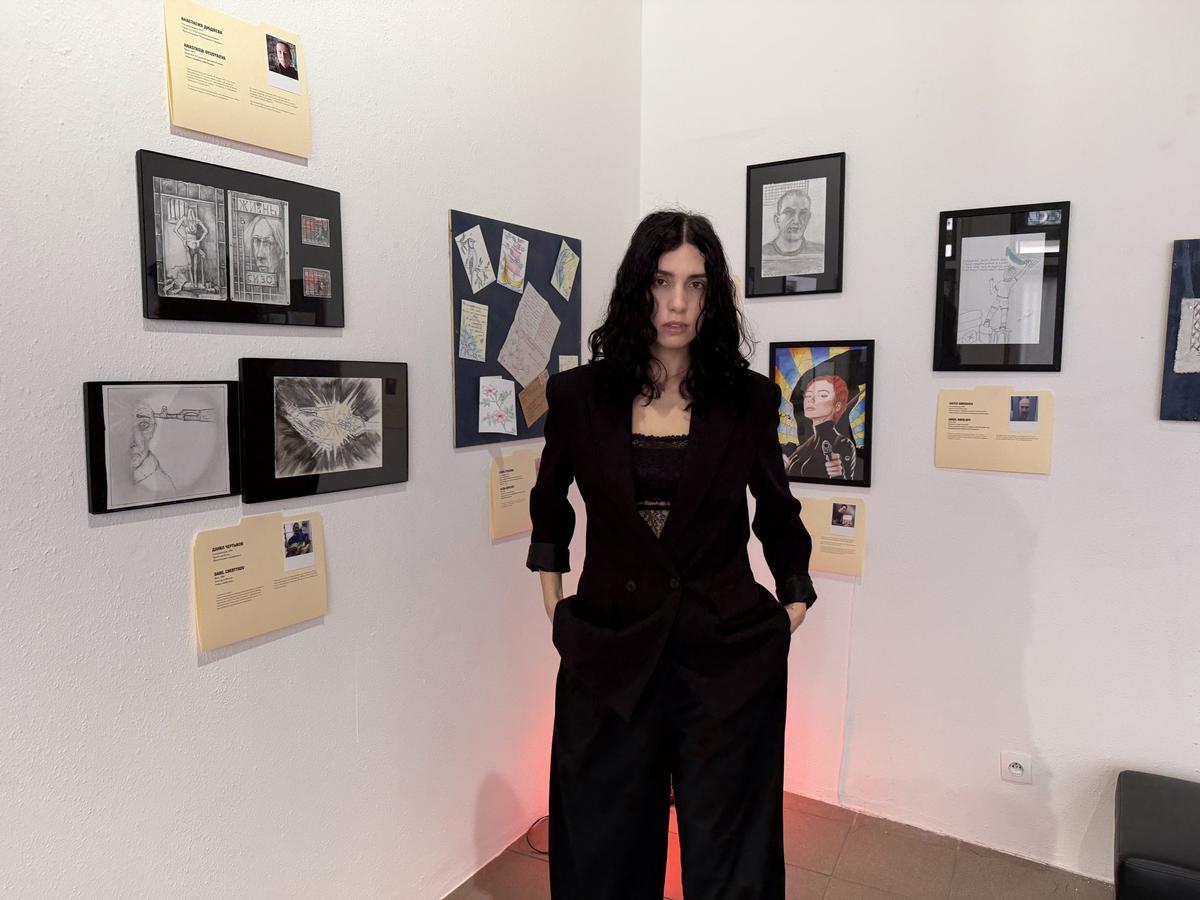
- •Pussy Riot's "Resistance Imprisoned" showcases art by ~30 Russian political prisoners
- •Exhibition runs April 19‑May 31 at Strasbourg's Ritsch‑Fisch Galerie
- •EU may pull $2.3 million grant if Biennale backs Russia pavilion
- •Russia pavilion features "The Tree is Rooted in the Sky" group show
- •Commissioner Anastasia Karneeva links pavilion to state‑owned defense firm Rostec
Pulse Analysis
The 62nd Venice Biennale, opening in May, has become a flashpoint for the clash between cultural prestige and geopolitical conflict. After withdrawing in 2022 following the invasion of Ukraine, Russia has been readmitted, prompting criticism from EU officials who argue the move may violate sanctions. The Biennale’s president, Pietrangelo Buttafuoco, defended the decision on the grounds of artistic freedom, even as the European Commission threatens to withhold a $2.3 million grant if corrective action is not taken by May 11. This standoff underscores the growing politicisation of global art festivals.
Pussy Riot’s activist collective has responded by launching “Resistance Imprisoned,” an exhibition that brings the work of nearly thirty incarcerated Russian artists to the public sphere. Displayed at Strasbourg’s Ritsch‑Fisch Galerie from April 19 through May 31, the show includes drawings on prison‑made paper, blood‑stained canvases, and jewelry crafted behind bars. Founder Nadya Tolokonnikova, herself a former political prisoner, notes that the pieces are produced with improvised materials such as toothpaste‑coated envelopes and even blood, turning scarcity into a potent symbol of dissent. The exhibition aims to expose what the group describes as a modern gulag.
The confrontation over the Russian pavilion highlights how art institutions are increasingly forced to navigate sanctions, human‑rights advocacy, and state‑sponsored cultural branding. If the EU follows through on its funding threat, the Biennale could lose a critical $2.3 million source for future editions, pressuring organizers to reconsider Russia’s participation. Meanwhile, Pussy Riot’s high‑profile campaign demonstrates the growing potency of activist‑driven curatorial projects in shaping international discourse. Whether the alternative exhibition will sway public opinion or prompt policy revisions remains uncertain, but it reinforces the notion that cultural platforms can serve as battlegrounds for political resistance.
How Pussy Riot Is Challenging Russia’s Return to the Venice Biennale
Comments
Want to join the conversation?
Loading comments...