Why It Matters
The modest, legislated funding shows how dedicated public‑art budgets can revitalize urban environments, attract visitors and generate measurable economic returns, offering a scalable model for other municipalities.
Key Takeaways
- •1996 ordinance set aside 1% of capital budget for public art.
- •Funding rose to 1.5% in 2022‑2027 bond program.
- •Over 200 artworks now integrate into streetscapes and parks.
- •Public art contributed $150 million in tourism and local spending.
Pulse Analysis
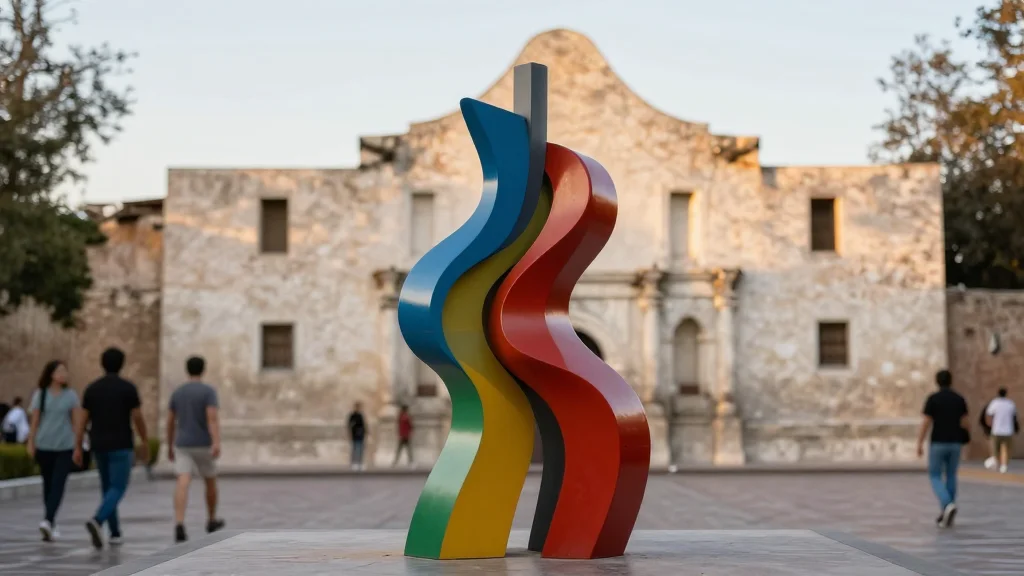
San Antonio’s public‑art program illustrates the power of policy‑driven cultural investment. By mandating a fixed percentage of capital‑improvement funds for art, the city created a reliable revenue stream that has endured for three decades. The initial 1% allocation in 1996 laid the groundwork for a curated network of sculptures, murals and interactive pieces, turning ordinary thoroughfares into open‑air galleries. This approach not only democratizes access to art but also embeds cultural assets directly into the fabric of daily life, reinforcing a sense of place for residents and visitors alike.
The economic ripple effects are substantial. Recent estimates attribute roughly $150 million in tourism‑related spending to the public‑art portfolio, as travelers seek out iconic installations on walking tours and social‑media itineraries. Property values adjacent to well‑maintained artworks have risen, and local businesses report increased foot traffic during art‑focused events. Moreover, the program has generated jobs for artists, fabricators and conservators, reinforcing the creative economy. By integrating art into redevelopment projects, the city has leveraged cultural capital to attract private investment and stimulate neighborhood revitalization.
Looking ahead, the 2022‑2027 bond’s 1.5% allocation positions San Antonio to expand its collection and enhance preservation efforts. The model offers a blueprint for other cities: a modest, legislated percentage can yield outsized returns in civic pride, economic vitality, and social cohesion. Policymakers are watching as San Antonio balances artistic ambition with fiscal responsibility, proving that strategic public‑art funding can be both a cultural catalyst and an engine for sustainable growth.
How San Antonio’s Public Art Program Has Changed The City
Comments
Want to join the conversation?
Loading comments...