How Should We Live With A.I.? A New Group Show Probes Our Ties With Technology
•March 6, 2026
0
Why It Matters
The show positions contemporary art as a frontline forum for AI ethics, pushing industry stakeholders to confront bias, language exclusion, and the need for human agency in technology design.
Key Takeaways
- •Exhibition blends art, AI, and cultural heritage.
- •Artists critique colonialist bias in corporate tech.
- •Interactive works promote slow, mindful tech engagement.
- •Multilingual AI model highlights language inequities.
- •Art leads early discourse on AI ethics.
Pulse Analysis
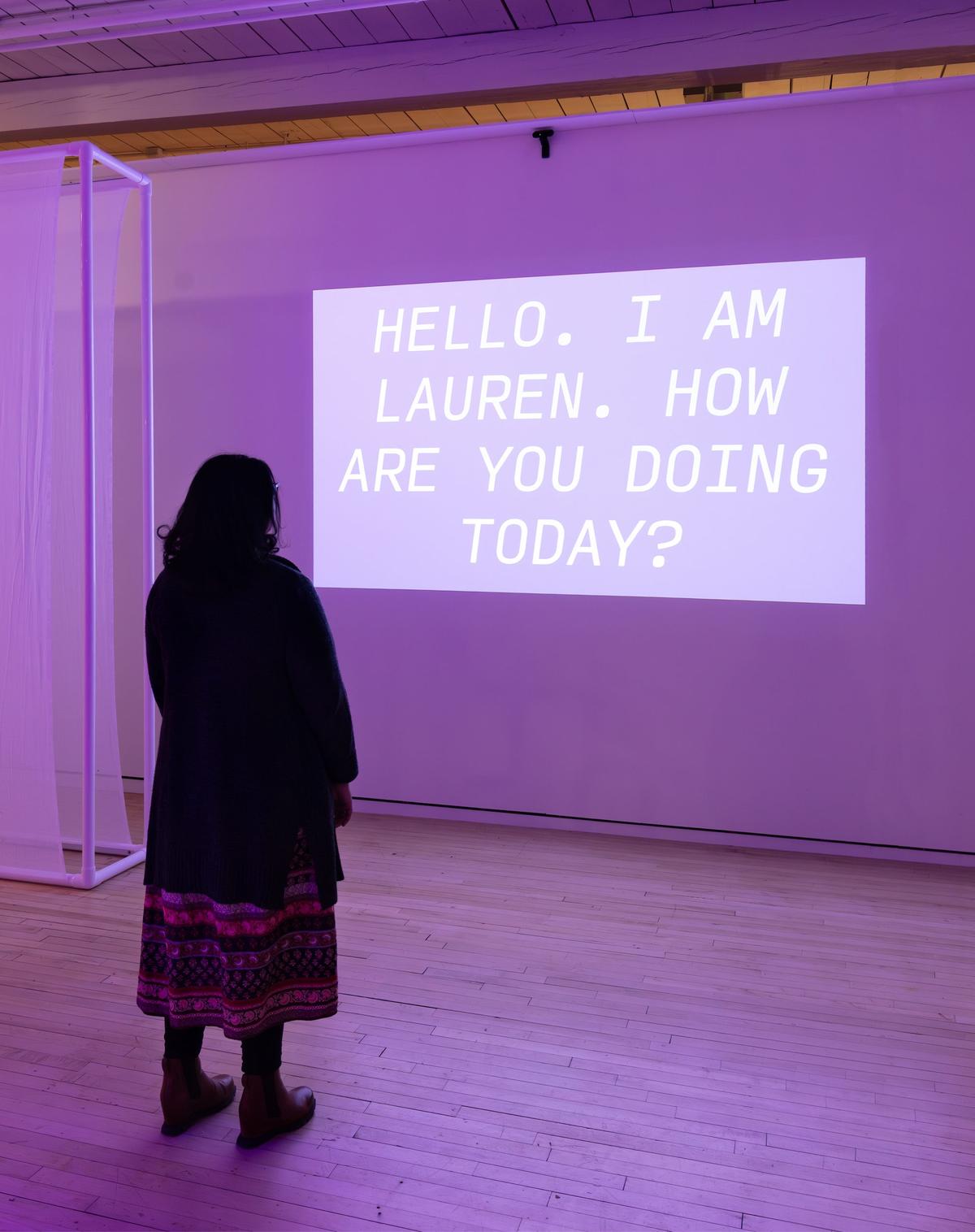
Massachusetts’ MASS MoCA has opened "Technologies of Relation," a three‑year exhibition that reframes the AI conversation beyond dystopian headlines. Curator Susan Cross frames the show as a dialogue about agency, urging audiences to consider how technology can be reshaped rather than simply resisted. By situating the artworks in a repurposed industrial factory, the venue itself becomes a metaphor for repurposing legacy systems toward more equitable futures, signaling that cultural institutions can steer public sentiment on emerging tech.
The installations fuse cutting‑edge AI with deep cultural references. Neema Githere’s "Nkisi Net" suspends hammocks stitched with data‑related verbs, echoing the Portuguese word "rede" for both net and hammock. Roopa Vasudevan’s hand‑drawn QR codes blur the line between code and craft, while Pelanakeke Brown’s AI‑assisted Samoan tapa patterns merge pre‑colonial aesthetics with algorithmic precision. Perhaps most striking is Hakopian’s coffee‑reading machine, which trains a multilingual AI on Armenian tasseography, deliberately limiting power consumption to a tenth of a coffee‑maker’s heat output. These works underscore that technology can be both reflective and restorative when guided by diverse narratives.
Beyond the gallery walls, the exhibition offers a template for how the tech sector might address systemic inequities. By foregrounding language bias—training AI in Armenian alongside English—the show spotlights the scarcity of non‑English models and the broader risk of cultural erasure. Its emphasis on slow, intentional interaction challenges the industry’s speed‑obsessed development cycles, suggesting that mindfulness can coexist with innovation. As corporations and policymakers grapple with AI governance, "Technologies of Relation" demonstrates that artistic practice can surface hidden assumptions, inspire inclusive design, and ultimately shape a more accountable technological landscape.
How Should We Live With A.I.? A New Group Show Probes Our Ties With Technology
0
Comments
Want to join the conversation?
Loading comments...