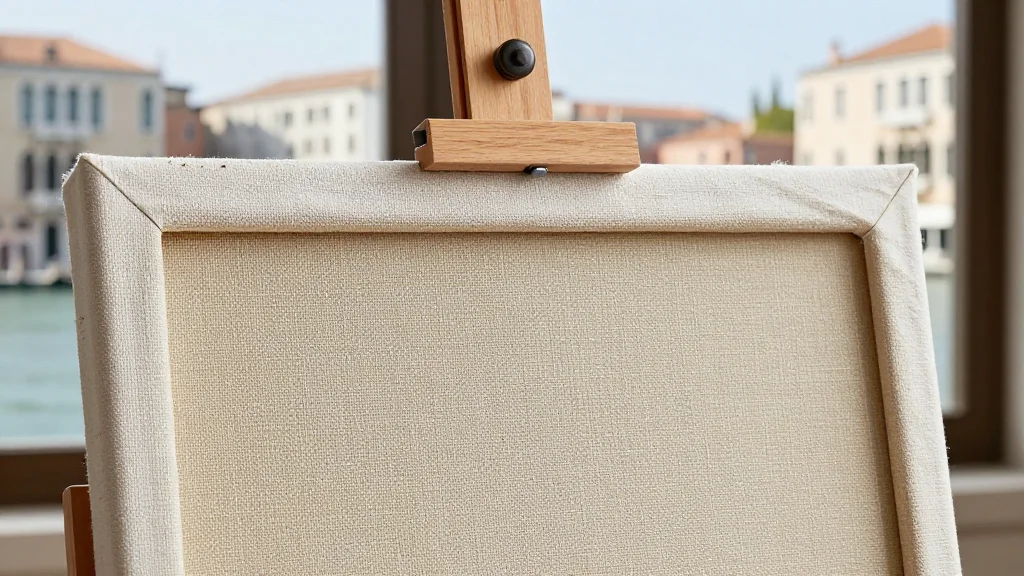
How the Adoption of Canvas in Venice Changed the Way Artists Painted
Why It Matters
Understanding canvas’s technical advantages reshapes art‑historical narratives and informs conservation strategies, highlighting how material choices drive artistic innovation and market value.
Key Takeaways
- •Venetian artists favored tabby weave before mastering herringbone texture
- •Canvas use predates Renaissance, seen in Bellini’s 1465 work
- •Carpaccio varied canvas types to match narrative dynamics in St Ursula series
- •Titian’s Pietà remained unfinished due to rough, patchwork canvas support
- •Canvas offered damp‑climate durability and easier transport than wood panels
Pulse Analysis
The adoption of canvas in Venice was not merely a logistical solution; it represented a strategic response to the lagoon’s damp environment where plaster and wood panels deteriorated quickly. By the early 1500s, Venetian workshops could source linen and hemp fabrics that resisted moisture, allowing artists to work year‑round without the costly repairs required for frescoes. This shift also lowered transportation expenses, enabling patrons to commission large altarpieces for distant churches, thereby expanding the city’s artistic influence across the Adriatic trade network.
Material science played a pivotal role in the visual language of Venetian masters. Nisse documents how a smooth tabby weave mimicked the solidity of panel, giving early works a crisp finish, while the later adoption of a rough herringbone pattern introduced intentional gaps that scattered light and softened shadows. Titian’s *Vendramin Family* leverages a fine table‑cloth weave to diffuse illumination, whereas Tintoretto’s *Miracle of the Slave* utilizes sail‑cloth texture to convey kinetic energy. These tactile decisions were as deliberate as brushstrokes, allowing painters to manipulate surface texture to reinforce narrative drama and atmospheric depth.
The implications extend beyond historical appreciation. Modern conservators now recognize that the canvas’s weave influences pigment adhesion and long‑term stability, guiding restoration protocols for Venetian masterpieces. Moreover, the market values works on original canvas higher, reflecting their rarity and the technical mastery required. As museums and collectors reassess provenance, Nisse’s research underscores that material choice is integral to both artistic intent and economic valuation, cementing canvas’s legacy as a catalyst for the golden age of Venetian painting.
How the adoption of canvas in Venice changed the way artists painted
Comments
Want to join the conversation?
Loading comments...