Why It Matters
Mägi’s work illustrates how peripheral artists shaped early modernism and underscores Estonia’s artistic contribution to European cultural identity, a narrative increasingly relevant to global art markets and cultural institutions.
Key Takeaways
- •Dulwich Picture Gallery hosts first major UK show of Konrad Mägi.
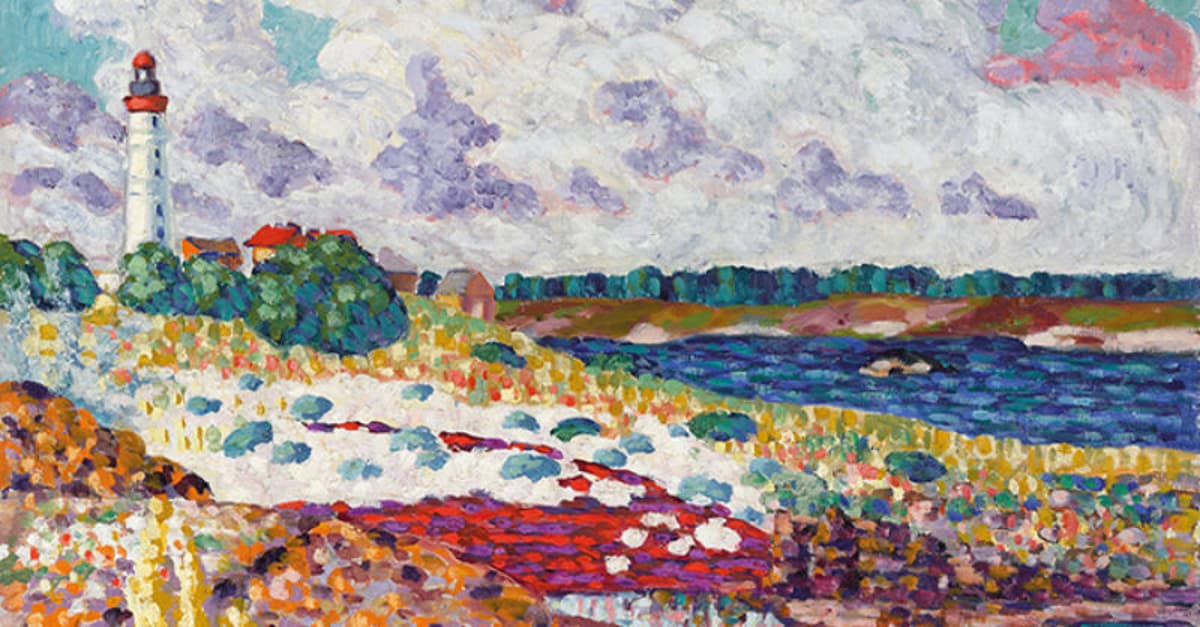
- •Mägi blended pointillism, expressionism, and Art Nouveau in landscapes.
- •His work symbolized Estonia’s cultural push for independence in 1920.
- •Founded Tartu’s Pallas Art School, mentoring Estonia’s next artists.
- •Late life marked by mental health struggles and erratic behavior.
Pulse Analysis
The turn of the twentieth century was a crucible for European art, as post‑impressionism, neo‑impressionism, symbolism, fauvism and expressionism collided in bustling academies from Berlin to Paris. Young painters seized the chance to study abroad, absorbing techniques and philosophies that defied national borders. Konrad Mägi, born in Estonia in 1878, epitomised this itinerant spirit, training in St Petersburg, Paris, Finland and Norway before returning home. His exposure to the avant‑garde equipped him with a versatile visual vocabulary that would later underpin Estonia’s cultural renaissance.
Mägi’s Norwegian sojourn (1908‑1910) produced a series of pointillist landscapes that married the scientific precision of Seurat with a raw emotional palette. He abandoned strict colour theory, using thick impasto and wet‑on‑wet dabs to convey the spiritual intensity he sensed in forests, lakes and mountain horizons. Returning to the Baltic, he painted the islands of Saaremaa and Vilsandi, where high horizons and swirling clouds became visual metaphors for Estonia’s quest for self‑determination. As a founder and director of the Pallas Art School in Tartu, he institutionalised modernist methods, training a generation of artists who would carry the nation’s cultural aspirations forward.
The Dulwich Picture Gallery’s exhibition, running until 12 July, marks the first comprehensive showcase of Mägi in the United Kingdom, introducing British audiences to a pivotal figure of Baltic modernism. By situating his work alongside contemporaneous European movements, the show highlights how peripheral artists contributed to the broader narrative of early modern art. Collectors and institutions are taking note, as renewed scholarly interest often translates into market revaluation for overlooked masters. For businesses in the cultural sector, the exhibition underscores the commercial potential of cross‑regional programming and the importance of preserving artistic legacies that resonate beyond national borders.
How to paint a new country
Comments
Want to join the conversation?
Loading comments...