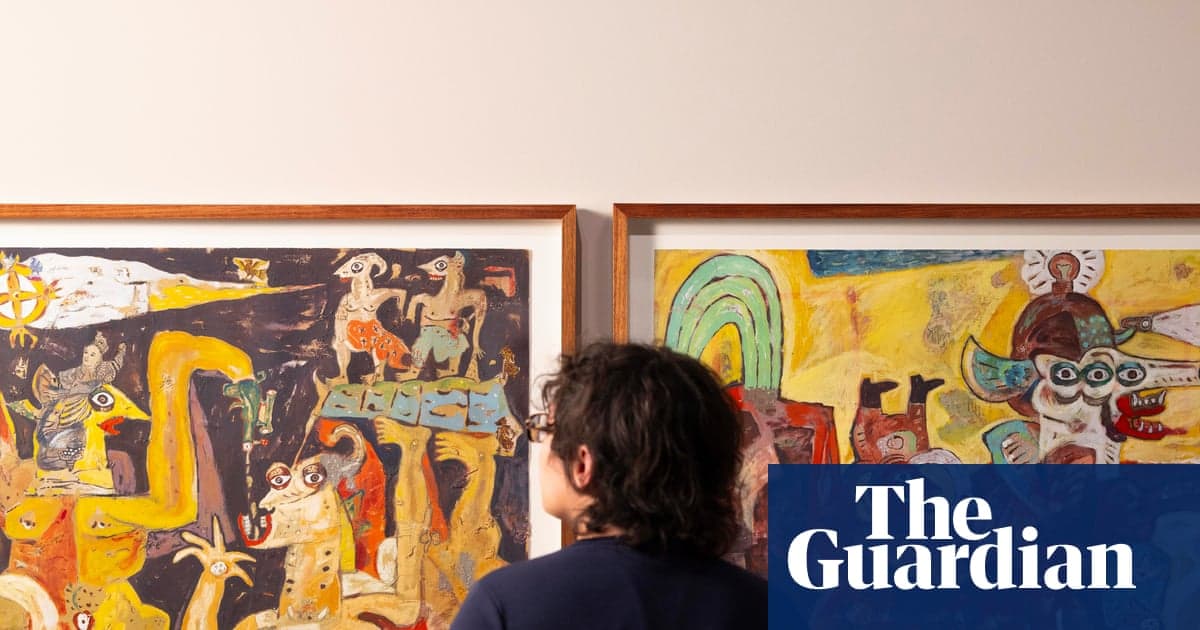
‘I Couldn’t Believe We Weren’t Falling over Ourselves for It’: Asia-Pacific Art Finally Conquers Britain
Why It Matters
The exhibition expands UK audiences’ exposure to under‑represented regions, boosting market visibility for Asia‑Pacific artists and signaling a broader institutional commitment to global cultural balance.
Key Takeaways
- •Rising Voices showcases 70+ Asia‑Pacific works, never before in UK
- •V&A installs Māori bouncer sculpture as exhibition guardian
- •QAGOMA partners with V&A, extending Asia Pacific Triennial reach
- •Recent Australian shows at Tate Modern and NGV signal growing UK interest
Pulse Analysis
British museums have long prioritized European masters, leaving contemporary art from the Asia‑Pacific underrepresented. Over the past few years that calculus is changing, driven by curatorial ambition and a recognition that global audiences crave diverse narratives. The Victoria and Albert Museum’s latest move—installing a striking Māori‑inspired guardian sculpture at its entrance—signals a deliberate pivot toward non‑Western voices. This visual cue not only welcomes visitors but also underscores a broader institutional commitment to rebalancing the canon.
Rising Voices: Contemporary Art from Asia, Australia and the Pacific brings more than 70 works to the V&A, many of which have never been shown in the United Kingdom. Curated in partnership with Queensland Art Gallery | Gallery of Modern Art, the exhibition draws on the Asia Pacific Triennial’s two‑decade archive, presenting artists from 25 nations across sculpture, video and textile practice. By positioning the show alongside the museum’s medieval and Renaissance galleries, the V&A creates a dialogue between historic and contemporary cultures, offering British audiences fresh aesthetic perspectives and expanding market visibility for Asia‑Pacific creators.
The momentum generated by Rising Voices builds on recent Australian‑focused shows at Tate Modern and the National Gallery of Victoria, indicating a sustained appetite for southern hemisphere art in the West. Collectors and institutions are likely to increase acquisitions of works by Indigenous and diaspora artists, reshaping the global art market’s valuation models. Moreover, the exhibition’s success may inspire further cross‑continental collaborations, touring programs, and research initiatives that deepen cultural exchange. For Britain, embracing Asia‑Pacific contemporary art not only diversifies its cultural portfolio but also positions the country as a hub for emerging global talent.
‘I couldn’t believe we weren’t falling over ourselves for it’: Asia-Pacific art finally conquers Britain
Comments
Want to join the conversation?
Loading comments...