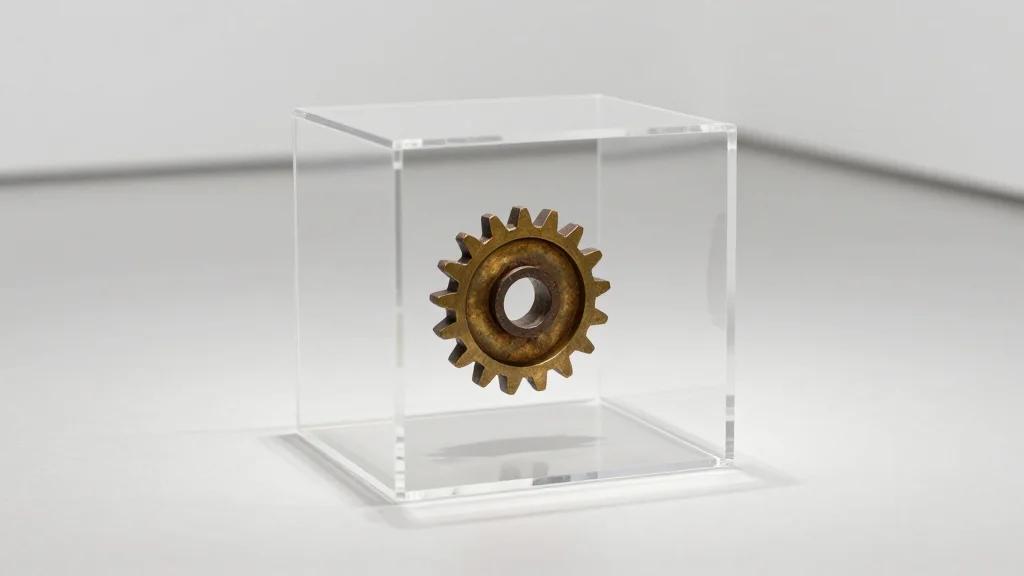
“I Deny the Concept of Sole Ownership of Artwork”: David Lamelas on His Survey at Dia
Companies Mentioned
Why It Matters
The show challenges conventional art‑ownership models and highlights the market’s appetite for adaptable, historically resonant works, influencing how museums and collectors approach site‑specific art.
Key Takeaways
- •Lamelas treats each installation as a new original work
- •Dia's survey emphasizes site‑specific, collaborative creation
- •1968 Vietnam War piece revisits historic political commentary
- •Artist’s global mobility shapes his evolving exhibition practice
- •Re‑creating works challenges traditional notions of art ownership
Pulse Analysis
Dia Chelsea’s new survey of Argentine conceptualist David Lamelas offers a rare look at an artist who refuses to let a work exist as a static object. By insisting each installation be rebuilt for a specific context, Lamelas turns exhibition‑making into a performative act, blurring the line between artist, curator, and production team. This approach resonates with contemporary collectors who value experiential, mutable pieces over traditional, immutable objects, and it aligns with museums’ growing focus on narrative‑driven programming.
The exhibition revisits Lamelas’s 1968 "Office of Information About the Vietnam War at Three Levels," a politically charged installation that used Olivetti telex machines and live audio to broadcast war reports. In today’s climate of heightened geopolitical tension, the work’s archival relevance fuels renewed critical interest and drives secondary‑market attention to mid‑century conceptual art. Institutions see such historically anchored pieces as anchors for audience engagement, while auction houses note rising prices for works that can be re‑contextualized across eras.
Lamelas’s philosophy of non‑ownership also forces cultural institutions to rethink acquisition strategies. Rather than purchasing a single, immutable object, museums may invest in rights to reproduce or adapt a work, creating new revenue streams through licensing and collaborative production. For collectors, this model presents both risk and opportunity: the value lies in the artist’s intellectual property and the ability to commission fresh iterations, rather than in a fixed physical asset. As the art market continues to embrace flexibility, Lamelas’s practice could become a blueprint for future site‑specific acquisitions.
“I deny the concept of sole ownership of artwork”: David Lamelas on his survey at Dia
Comments
Want to join the conversation?
Loading comments...