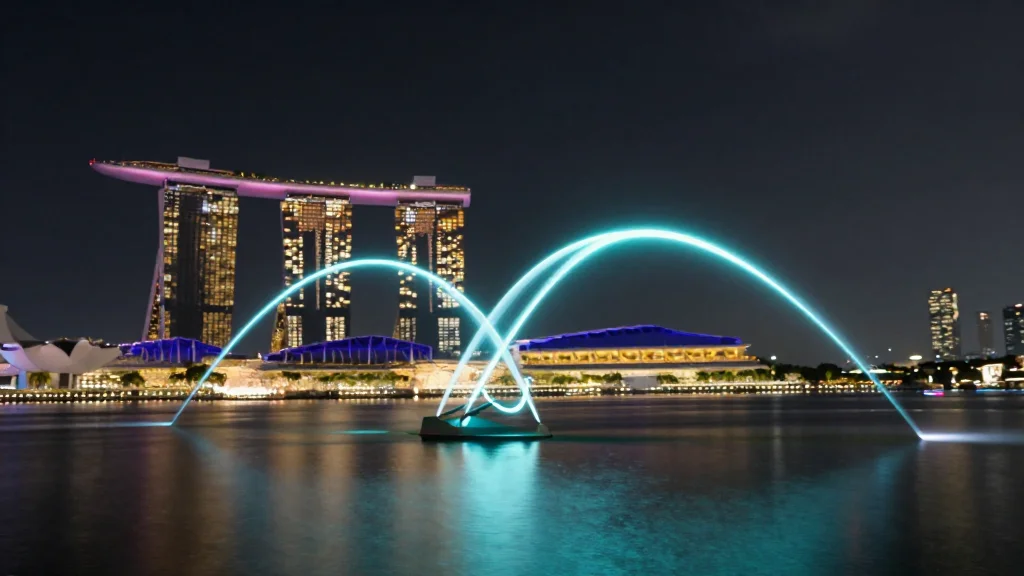
I Light Singapore 2026 Lights Up Marina Bay with 14 Immersive Installations

Why It Matters
i Light Singapore 2026 illustrates how immersive, technology‑enabled art can revitalize urban spaces, drawing both locals and tourists into shared cultural experiences. The festival’s emphasis on interactive design and reclaimed materials signals a shift toward sustainability in large‑scale installations, setting a benchmark for future events worldwide. The economic ripple extends beyond ticket sales; nearby retailers, hospitality venues and transport hubs report increased foot traffic, while the visibility of participating artists can accelerate commissions and collaborations. As cities compete for cultural capital, the success of i Light Singapore may encourage other municipalities to invest in similar light festivals, reshaping the public‑art funding landscape.
Key Takeaways
- •14 light‑art pieces installed across Marina Bay for i Light Singapore 2026
- •17 regional and international artists participated, including Cyril Lancelin and Wentao Wang
- •Installations feature interactive sensors, inflatable structures and reclaimed‑material sculptures
- •Festival opens this week, drawing commuters and tourists to night‑time installations
- •Organizers plan to double artist participation and use renewable energy for the 2028 edition
Pulse Analysis
The rise of immersive light festivals reflects a convergence of art, technology and urban planning that has accelerated over the past decade. i Light Singapore 2026 leverages Singapore’s reputation for logistical precision to deliver complex kinetic works that would be difficult to execute in less coordinated environments. This operational advantage gives the city a competitive edge in attracting high‑profile artists who require sophisticated infrastructure.
From a market perspective, the festival’s blend of interactive elements and sustainability aligns with shifting consumer expectations. Audiences now seek participatory experiences rather than passive observation, a trend that sponsors and city planners are eager to monetize. The use of reclaimed industrial waste in *Where The Wildflowers Grow* demonstrates how artists can meet eco‑conscious criteria without sacrificing aesthetic impact, a formula likely to be replicated in future public‑art commissions.
Looking ahead, the festival’s success could catalyze a regional network of light‑art events, each vying for technological innovation and tourist dollars. Cities that invest early in renewable‑energy lighting, sensor integration and artist residencies may capture a larger share of the cultural tourism market. However, the energy demands of large‑scale illumination remain a point of contention; without clear strategies for carbon offsetting, the environmental credibility of such festivals could be challenged. i Light Singapore’s announced shift to renewable power for its 2028 edition will be a critical test of whether immersive art can scale responsibly.
i Light Singapore 2026 Lights Up Marina Bay with 14 Immersive Installations
Comments
Want to join the conversation?
Loading comments...