Why It Matters
By reframing family through diverse photographic lenses, the show sparks cultural dialogue about kinship, identity, and inclusion, influencing how museums and audiences address evolving social norms.
Key Takeaways
- •Families exhibition runs at FOMU Antwerp until May 23 2026
- •Shows 200+ photos exploring diverse, chosen, and historical family forms
- •Features works by Mous Lamrabat, Omar Victor Diop, Mayara Ferrão
- •Curator Anne Ruygt links contemporary debates on motherhood, gender, and kinship
- •AI‑generated images highlight racial bias in tech and queer histories
Pulse Analysis
The Fotomuseum Antwerpen’s "Families" exhibition leverages the institution’s vast four‑million‑object archive to craft a narrative that bridges historic studio portraiture with contemporary social commentary. Curator Anne Ruygt and writer Niña Weijers use the museum’s permanent collection as a springboard, selecting over 200 photographs that span from 19th‑century hidden‑mother portraits to modern self‑portraiture. By situating these works in a sun‑lit café setting, the museum invites visitors to contemplate how visual documentation has both reflected and shaped notions of kinship across generations.
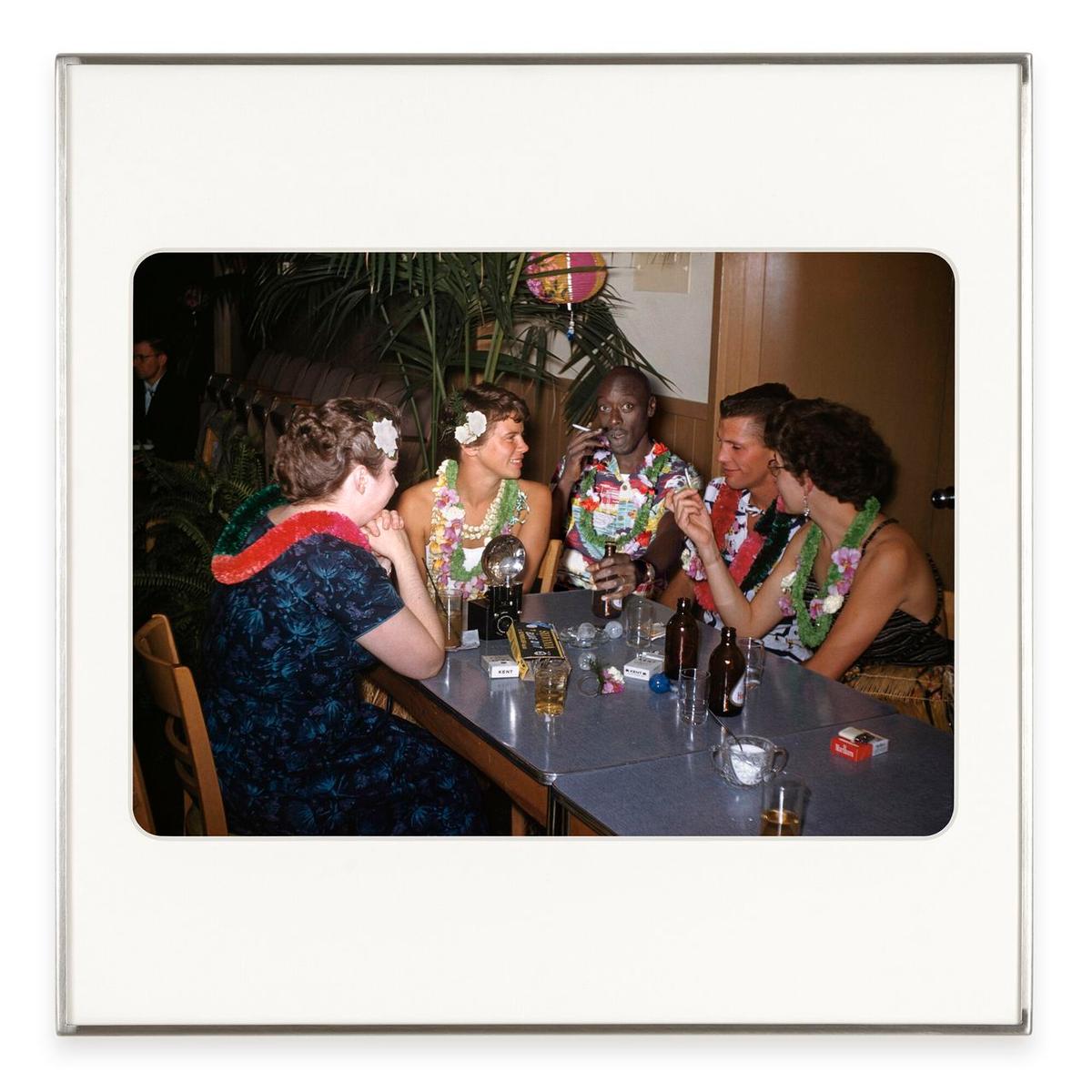
Key contributors such as Mous Lamrabat, Omar Victor Diop, and Brazilian artist Mayara Ferrão push the conversation beyond conventional family tropes. Lamrabat’s "Moms see everything" juxtaposes maternal gaze with playful eyewear, while Diop inserts himself into mid‑century white‑American slides, unsettling racial homogeneity. Ferrão employs AI to reconstruct imagined celebrations among queer Black and Indigenous women, exposing algorithmic bias in contemporary tech. Together, these pieces illustrate how photography can question inherited narratives and propose inclusive, chosen‑family models.
Beyond its artistic merit, "Families" serves as a cultural barometer for ongoing debates about gender equality, abortion rights, and the redefinition of household structures. Museums worldwide are increasingly curating exhibitions that address social issues, and FOMU’s approach—melding historical artifacts with cutting‑edge digital interventions—sets a benchmark for interdisciplinary storytelling. As audiences engage with these layered perspectives, the exhibition may influence future curatorial practices, encouraging institutions to treat family not as a static category but as a dynamic, evolving construct.
In Antwerp, families come in all shapes and sizes
Comments
Want to join the conversation?
Loading comments...