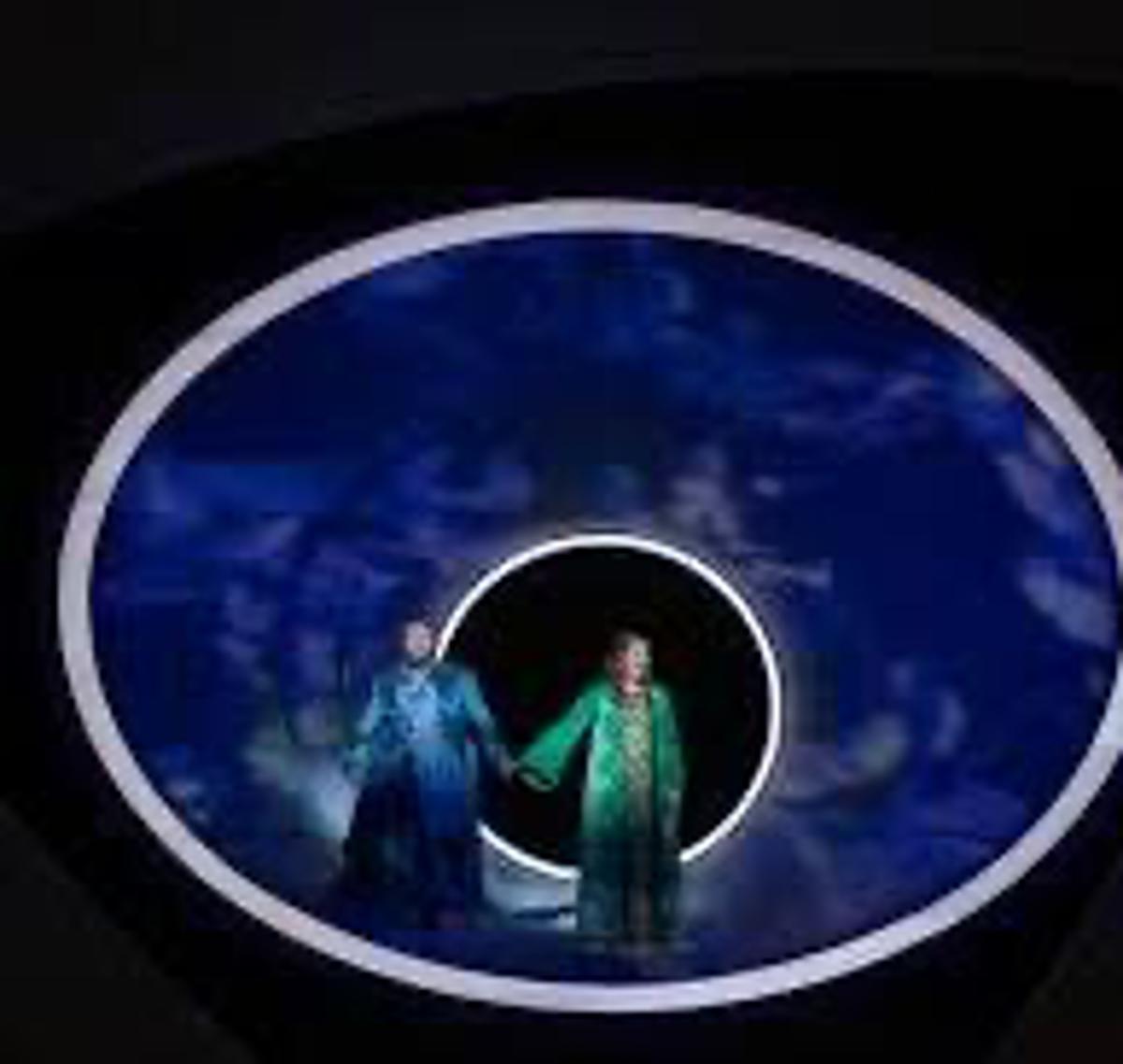
“In Constant Motion for Its Own Sake” — the Met’s New “Tristan”
Why It Matters
The debate spotlights a tension between avant‑garde staging and traditional narrative, influencing how major houses program and fund future productions. It also underscores the power of critical discourse to shape audience expectations and the commercial viability of opera.
Key Takeaways
- •Osborne condemns Sharon’s production as tech‑driven, lacking narrative focus
- •New Met “Tristan” draws praise despite critical concerns over symbolism
- •Horowitz links current staging to historic 1886 Met premiere and Seidl legacy
- •“The Disciple” novel revives forgotten Gilded‑Age Wagner society
- •Critics fear modern abstractions may reshape future opera direction
Pulse Analysis
The Metropolitan Opera’s latest rendition of Tristan und Isolde has ignited a fierce conversation among critics and patrons alike. Conrad L. Osborne’s review frames director Yuvan Sharon’s high‑tech set as a visual metaphor for a society perpetually in motion, arguing that the production sacrifices narrative continuity for spectacle. This perspective taps into a broader discourse about whether opera should prioritize immersive technology or preserve the emotional core that has defined Wagner’s work for more than a century. By spotlighting the tension between innovation and tradition, the critique forces the Met to reconsider how much visual abstraction audiences will accept without compromising the drama’s integrity.
Osborne’s commentary also resurrects a pivotal moment in American operatic history: the 1886 Met premiere of Tristan, conducted by Anton Seidl, which introduced Wagner to a burgeoning U.S. audience. Joseph Horowitz’s novel The Disciple dramatizes that era, weaving together the Seidl Society’s Gilded‑Age fervor and the personal stories of singers like Albert Niemann and Lilli Lehmann. By linking today’s production to this legacy, the article reminds readers that contemporary staging choices echo past cultural battles over artistic purity versus popular appeal. Horowitz’s fictionalized account serves as both a historical reminder and a cautionary tale about the cyclical nature of artistic reinvention.
The stakes extend beyond artistic debate; they affect ticket sales, donor confidence, and the Met’s brand positioning in a competitive cultural market. If critics and audiences increasingly favor productions that balance visual daring with narrative clarity, opera houses may allocate budgets toward hybrid designs that marry technology with storytelling. Conversely, a backlash against overly abstract staging could reinforce a return to more conventional, text‑driven interpretations. Either outcome will shape the future programming strategies of major institutions, influencing how Wagner’s masterpieces are experienced by the next generation of opera lovers.
“In Constant Motion for its Own Sake” — the Met’s New “Tristan”
Comments
Want to join the conversation?
Loading comments...