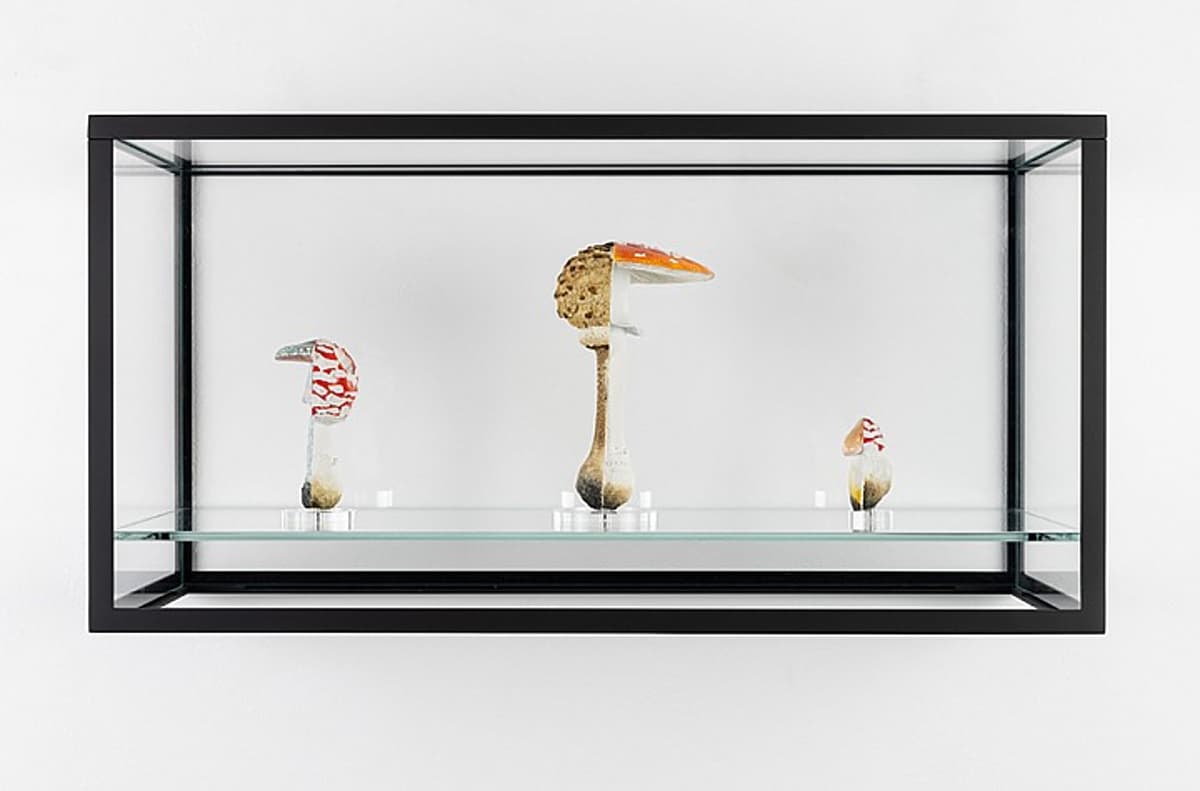
In Minor Keys: Art as a Sensory Ecosystem at the 61st Venice Biennale by Margherita Artoni
Why It Matters
By redefining the Biennale as a sensory ecosystem, the exhibition sets a new benchmark for curatorial practice and influences how institutions program immersive, audience‑centered art experiences, impacting funding, sponsorship and collector interest worldwide.
Key Takeaways
- •111 artists selected for sensory, relational installations.
- •Curator Koyo Kouoh's final project emphasizes low-frequency perception.
- •Works blend memory, performance, and immersive experimentation.
- •Exhibition redefines curatorial strategy as co‑creative ecosystem.
- •Highlights shift from geopolitical themes to perceptual engagement.
Pulse Analysis
The 61st Venice Biennale’s *In Minor Keys* signals a pivotal evolution in contemporary art programming. Rather than framing exhibitions around political discourse, curator Koyo Kouoh orchestrated a network of installations that prioritize low‑frequency sensory cues, encouraging visitors to engage through memory, gesture and heightened perception. This paradigm resonates with a growing market appetite for immersive experiences, as museums and galleries worldwide invest in technologies and spatial designs that blur the line between artwork and audience.
Artists featured—Alvaro Barrington’s pigment‑laden canvases, Wangechi Mutu’s mythic sculptural narratives, Nick Cave’s kinetic Soundsuits, and Carsten Höller’s participatory interventions—exemplify a cross‑disciplinary approach that merges visual, auditory and tactile modalities. Their works function as nodes within a larger ecosystem, each contributing to a collective narrative that transcends individual fame or geography. For collectors and cultural investors, this model underscores the value of works that can activate environments, offering new revenue streams through experiential programming and extended audience engagement.
The Biennale’s shift toward a relational field has broader implications for the global art market. Curators are increasingly tasked with designing exhibitions that act as co‑creative platforms, prompting institutions to allocate resources toward research, sensor technologies and interdisciplinary collaborations. Sponsors see heightened brand alignment opportunities within such immersive contexts, while artists gain visibility through participatory formats that can be replicated in commercial spaces. As *In Minor Keys* demonstrates, the future of high‑profile art events lies in crafting ecosystems where perception, space and commerce intersect.
In Minor Keys: Art as a Sensory Ecosystem at the 61st Venice Biennale by Margherita Artoni
Comments
Want to join the conversation?
Loading comments...